Traditional Austrian food & drink
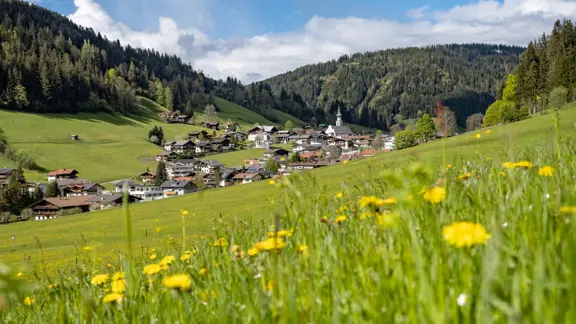
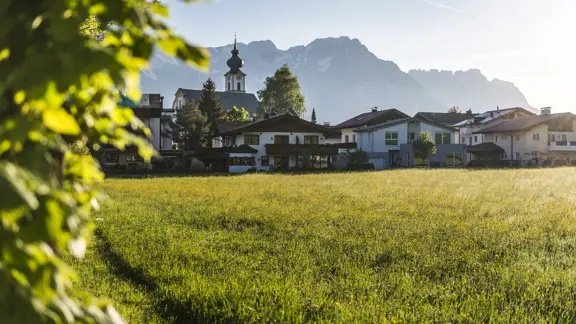
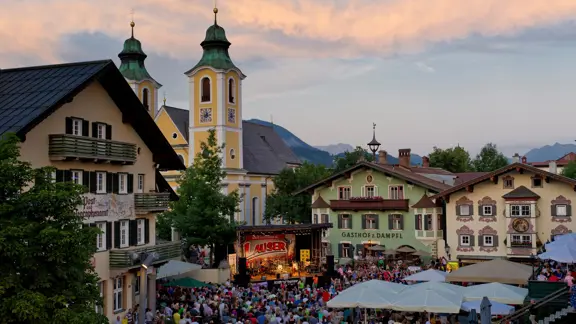
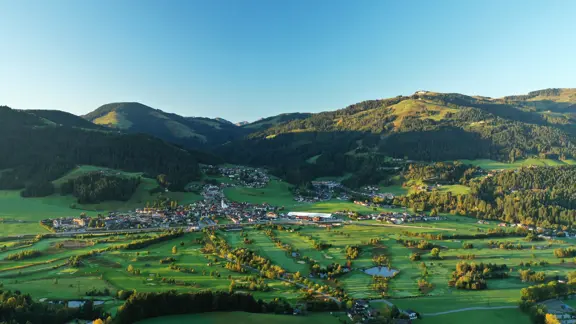
Walks, views and very good food
In Austria, the mountains are big, but the menus are bigger. We’ve spent years exploring these trails and learnt a vital lesson: the best views are almost always improved by a side of crispy schnitzel or a generous helping of warm apple strudel.
Your holiday might begin with the silver service charm of a Vienna coffee house or a chilled beer in a cosy Salzburg tavern. But once you head into the peaks, the food becomes simpler, heartier and made for hungry walkers.
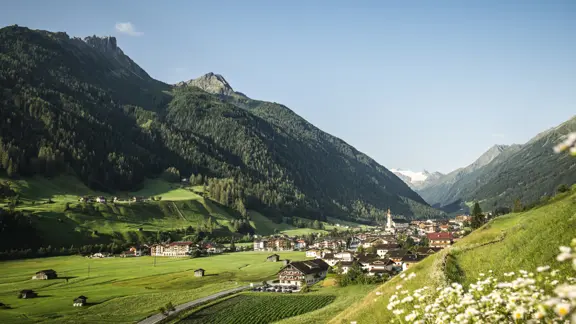
Take Mayrhofen, for example. Here, local Tyrolean food is part of the walking experience. We recommend stopping at one of the rustic mountain huts along the trails for a plate of schnitzel, dumplings or Kaiserschmarrn. It’s exactly the kind of fuel you need for that final push to the summit.
If you’re after a serious treat, head to Lech. Known as the world’s gourmet village, it has more award-winning restaurants per person than anywhere else, many earning ‘green hoods’ for their use of organic, regional ingredients. It’s some of the most sophisticated dining you’ll find at altitude.
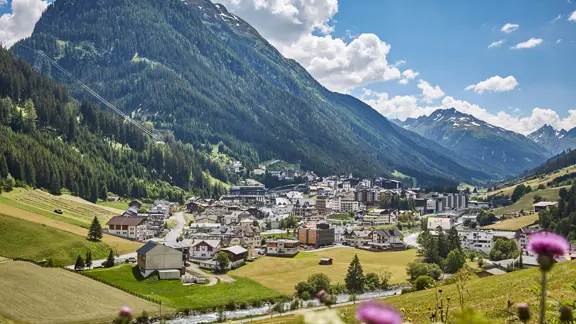
Then there’s Ischgl, the culinary mecca of the Alps. This is where mountain lodges trade basic snacks for world-class plates, making that squashed sandwich in your backpack feel like a very distant memory.
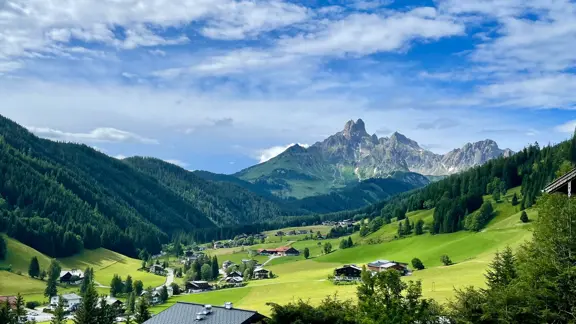
After a morning on the trails, there’s nothing quite like sitting on a sun-drenched terrace with the Austrian Alps as your backdrop, while a local waiter insists you try just one more slice of strudel. It’s a tough job, but someone has to do it.
Discover our Austria resorts
-
Offers available

Mayrhofen
Austrian Tyrol, Austria
Large programme of guided walks to choose from Visit the impressive Krimml Waterfalls Inghams Destination Expert based in resortLarge Walking Areas Activities Cable Cars / Lifts -
Offers available
Alpbach
Austrian Tyrol, Austria
Free lifts & buses with Alpbachtal Card Free/discounted guided walks with Alpbachtal Card Chocolate-box' alpine style and impressive sceneryWalks for All Abilities Village Charm Peace & Quiet -
Westendorf
Austrian Tyrol, Austria
Free local bus/train travel with guest card Inghams Destination Expert based in resort Award-winning hiking trailsLarge Walking Areas Walks for All Abilities Village Charm -
Offers available
Zell am See
Austria
Zell am See Summer Card at selected hotels Vibrant and scenic lakeside town Inghams Destination Expert based in resortActivities Wow Factor Watersports -
Kitzbuhel
Austrian Tyrol, Austria
Inghams Destination Expert based in resort Vibrant and colourful city with village feel Excellent network of hiker's liftsFood & Drink Walks for All Abilities Biking -
Seefeld
Austrian Tyrol, Austria
Short transfers from Innsbruck airport Free local bus travel with guest card Vibrant town and dramatic sceneryWalks for All Abilities Short Transfers Large Walking Areas -
Offers available
Saalbach Hinterglemm
Austria
Free lifts & buses with Joker Card Austria's number 1 biking destination Inghams Destination Expert based in resortGuided Walks Activities Family Holidays Biking -
Ischgl
Austrian Tyrol, Austria
Free lifts/buses with Silvretta Premium Card Inghams Destination Expert based in resort Large hiker's lift networkHigh Altitude Challenging Walks Cable Cars / Lifts -
St. Anton
Austrian Tyrol, Austria
Travel by train from UK Inghams Destination Expert based in resort Dramatic high-altitude walking terrainSpa & Wellness High Altitude Challenging Walks -
Offers available
Neustift
Austrian Tyrol, Austria
Free lifts/buses with Stubai Supercard Short transfers from Innsbruck Airport Inghams Destination Expert based in resortActivities Walks for All Abilities Cable Cars / Lifts -
Filzmoos
Austria
Filzmoos Summer Card at selected hotels Authentic Austrian village Great for nature-loversWalks for All Abilities Village Charm -
Oberau
The Wildschonau Valley, Austria
Free lifts/buses with Wildschönau Card Inghams Destination Expert based in resort Traditional farming village with atmosphereWalks for All Abilities Peace & Quiet -
Offers available
Soll
Austrian Tyrol, Austria
Free local bus travel with guest card Lively village atmosphere Excellent network of hiker's liftsWalks for All Abilities Village Charm Family Holidays -
Offers available
St. Johann
Austrian Tyrol, Austria
Free local bus/train travel with guest card One free trip on Harschbichl lift with guest card Charming town, great for familiesActivities Food & Drink Walks for All Abilities -
Offers available
Ellmau
Austrian Tyrol, Austria
Free local bus travel with guest card Dramatic mountain views Excellent network of hiker's liftsWalks for All Abilities Family Holidays Wow Factor -
St. Gilgen
The Salzkammergut, Austria
Explore Lake Wolfgang by boat Try exciting watersports Panoramic views from the top of ZwölferhornEasy Walks Village Charm Watersports -
Obergurgl
Austrian Tyrol, Austria
Free lifts/buses with Otztal Premium Card High altitude location means cooler summer temperatures Stylish alpine town with chilled summer atmosphereHigh Altitude Challenging Walks Biking -
Lech
Austria
Free hiker's lifts with Lech Summer Card Known as Austria's 'gourmet village' Picturesque, high-altitude walking terrainFood & Drink High Altitude Walks for All Abilities -
Fuschl am See
The Salzkammergut, Austria
Enjoy the perfect sunset from the lakeside Rent a pedalo or rowing boat Relaxing walks and lake swimsEasy Walks Village Charm Lakes -
Pertisau
Lake Achensee, Austria
Dramatic lakeside location Free local bus travel with guest card Free guided walks with guest cardWalks for All Abilities Wow Factor Watersports

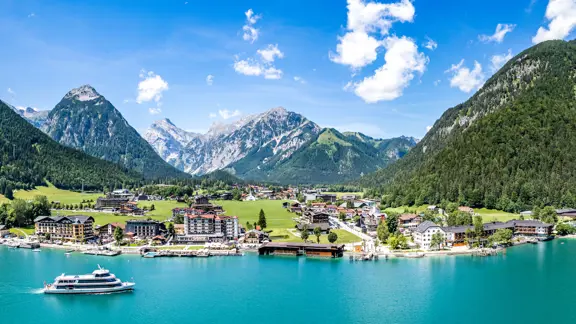
Your guide to traditional Austrian food & drink
Safe to say, food is a big part of any holiday in Austria. So if you’re wondering what to order once you’ve taken your seat on that terrace, we’ve pulled together a guide to the Austrian flavours you shouldn’t miss.
You might even want to pack a pair of walking trousers with a bit of stretch.
Here’s a taste of some classic Austrian dishes you must try on your walking holiday to Austria.
Tiroler Gröstl
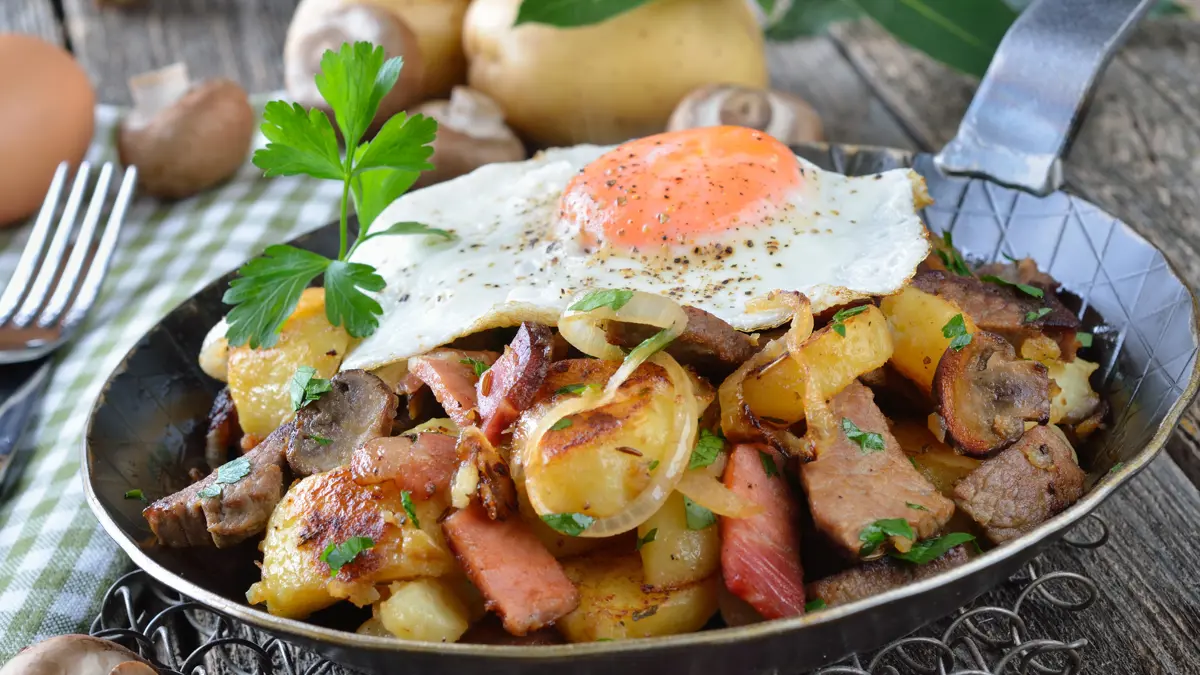
Tiroler Gröstl is a hearty classic from Austria’s Tyrol region. It’s a simple mix of sliced potatoes, onions and chunks of beef or pork, all fried in butter until the edges turn golden and crisp.
It usually arrives with a fried egg on top. Some places add pickles or a spoonful of horseradish on the side for a little extra kick.
The dish started as a clever way to use up leftovers. Today it’s one of the most satisfying meals you’ll find in the Alps. Best eaten straight from the pan after a long day on the trails.
Wiener Schnitzel
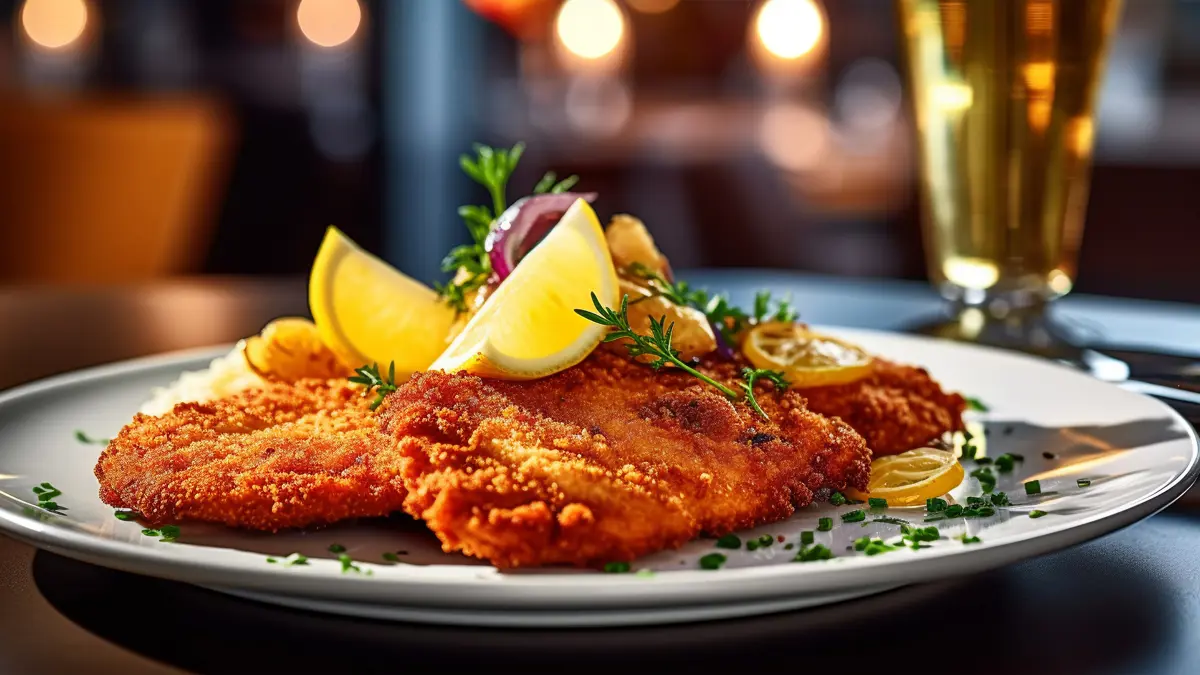
No guide to Austrian food would be complete without mentioning the legendary Wiener Schnitzel. The gold standard of Tyrolean comfort food and definitely one of the famous Austrian dishes.
It's usually accompanied by a simple salad or some parsley potatoes, (Petersilienkartoffeln) and cranberries (Preiselbeeran) because honestly, when you're the star of the dish you don't need much else.
The Wiener takes it all.
Erdäpfelsalat
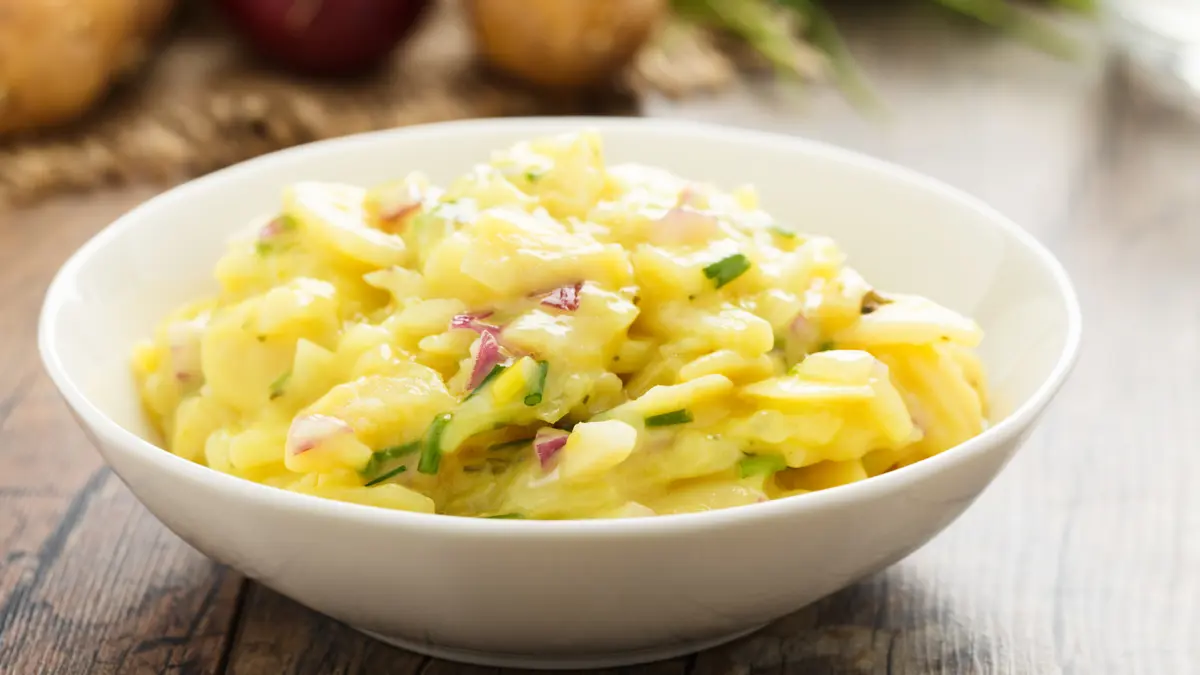
Erdäpfelsalat is a simple, yet classic Austrian potato salad often found on the side of a plate or as a light meal.
Boiled potatoes are sliced and tossed with onions in a light dressing of vinegar, oil and mustard. It’s tangy, fresh and the perfect counterpoint to richer dishes.
Some versions add crispy bacon, parsley or pickles for extra bite. In Vienna, it’s the go-to side for Wiener Schnitzel, balancing that golden, crispy coating with just the right amount of zing.
Tafelspitz
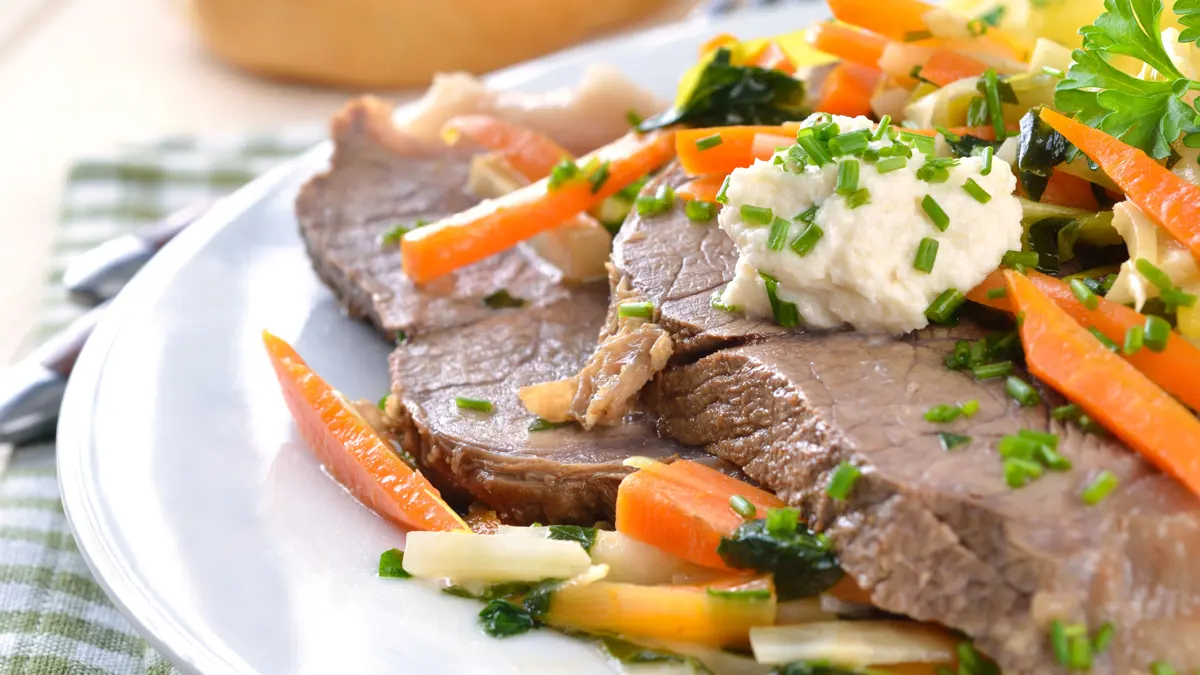
Tafelspitz is Austrian comfort food at its finest. A beautiful cut of beef is slowly simmered in broth with root vegetables and spices until it becomes meltingly tender.
It’s usually served with Apfelkren, a punchy mix of grated apple and horseradish that adds a fresh kick. Potatoes and chive sauce often join the plate, ready to soak up that rich broth.
The name refers to the cut of beef itself, similar to topside in the UK. Simple ingredients, slow cooking and big flavour.
You’ll find Tafelspitz on menus across Austria, but it’s especially famous in Vienna. Whether you’re in a grand dining room or a cosy alpine mountain hut, it’s a classic dish well worth ordering.
Speckknödel
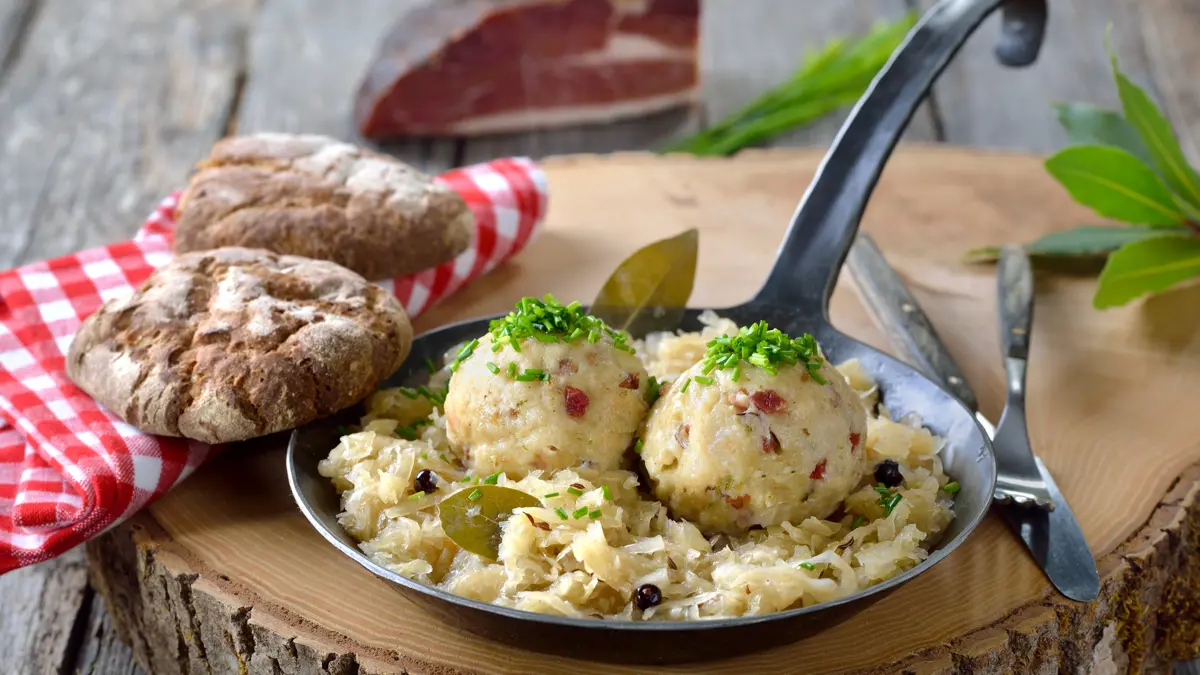
Speckknödel are hearty dumplings from Tyrol, packed with bacon and boiled to perfection. A classic example of a typical Austrian dish.
They're usually served in a warm broth (Speckknödelsuppe) or with tangy sauerkraut and a fresh salad on the side. These dumplings are a comforting classic in the region, making for a filling and delicious meal.
Discover our Austria resorts
-
Offers available
Mayrhofen
Austrian Tyrol, Austria
Large programme of guided walks to choose from Visit the impressive Krimml Waterfalls Inghams Destination Expert based in resortLarge Walking Areas Activities Cable Cars / Lifts -
Offers available
Alpbach
Austrian Tyrol, Austria
Free lifts & buses with Alpbachtal Card Free/discounted guided walks with Alpbachtal Card Chocolate-box' alpine style and impressive sceneryWalks for All Abilities Village Charm Peace & Quiet -
Westendorf
Austrian Tyrol, Austria
Free local bus/train travel with guest card Inghams Destination Expert based in resort Award-winning hiking trailsLarge Walking Areas Walks for All Abilities Village Charm -
Offers available
Zell am See
Austria
Zell am See Summer Card at selected hotels Vibrant and scenic lakeside town Inghams Destination Expert based in resortActivities Wow Factor Watersports -
Kitzbuhel
Austrian Tyrol, Austria
Inghams Destination Expert based in resort Vibrant and colourful city with village feel Excellent network of hiker's liftsFood & Drink Walks for All Abilities Biking -
Seefeld
Austrian Tyrol, Austria
Short transfers from Innsbruck airport Free local bus travel with guest card Vibrant town and dramatic sceneryWalks for All Abilities Short Transfers Large Walking Areas -
Offers available
Saalbach Hinterglemm
Austria
Free lifts & buses with Joker Card Austria's number 1 biking destination Inghams Destination Expert based in resortGuided Walks Activities Family Holidays Biking -
Ischgl
Austrian Tyrol, Austria
Free lifts/buses with Silvretta Premium Card Inghams Destination Expert based in resort Large hiker's lift networkHigh Altitude Challenging Walks Cable Cars / Lifts -
St. Anton
Austrian Tyrol, Austria
Travel by train from UK Inghams Destination Expert based in resort Dramatic high-altitude walking terrainSpa & Wellness High Altitude Challenging Walks -
Offers available
Neustift
Austrian Tyrol, Austria
Free lifts/buses with Stubai Supercard Short transfers from Innsbruck Airport Inghams Destination Expert based in resortActivities Walks for All Abilities Cable Cars / Lifts -
Filzmoos
Austria
Filzmoos Summer Card at selected hotels Authentic Austrian village Great for nature-loversWalks for All Abilities Village Charm -
Oberau
The Wildschonau Valley, Austria
Free lifts/buses with Wildschönau Card Inghams Destination Expert based in resort Traditional farming village with atmosphereWalks for All Abilities Peace & Quiet -
Offers available
Soll
Austrian Tyrol, Austria
Free local bus travel with guest card Lively village atmosphere Excellent network of hiker's liftsWalks for All Abilities Village Charm Family Holidays -
Offers available
St. Johann
Austrian Tyrol, Austria
Free local bus/train travel with guest card One free trip on Harschbichl lift with guest card Charming town, great for familiesActivities Food & Drink Walks for All Abilities -
Offers available
Ellmau
Austrian Tyrol, Austria
Free local bus travel with guest card Dramatic mountain views Excellent network of hiker's liftsWalks for All Abilities Family Holidays Wow Factor -
St. Gilgen
The Salzkammergut, Austria
Explore Lake Wolfgang by boat Try exciting watersports Panoramic views from the top of ZwölferhornEasy Walks Village Charm Watersports -
Obergurgl
Austrian Tyrol, Austria
Free lifts/buses with Otztal Premium Card High altitude location means cooler summer temperatures Stylish alpine town with chilled summer atmosphereHigh Altitude Challenging Walks Biking -
Lech
Austria
Free hiker's lifts with Lech Summer Card Known as Austria's 'gourmet village' Picturesque, high-altitude walking terrainFood & Drink High Altitude Walks for All Abilities -
Fuschl am See
The Salzkammergut, Austria
Enjoy the perfect sunset from the lakeside Rent a pedalo or rowing boat Relaxing walks and lake swimsEasy Walks Village Charm Lakes -
Pertisau
Lake Achensee, Austria
Dramatic lakeside location Free local bus travel with guest card Free guided walks with guest cardWalks for All Abilities Wow Factor Watersports
Spinatknödel
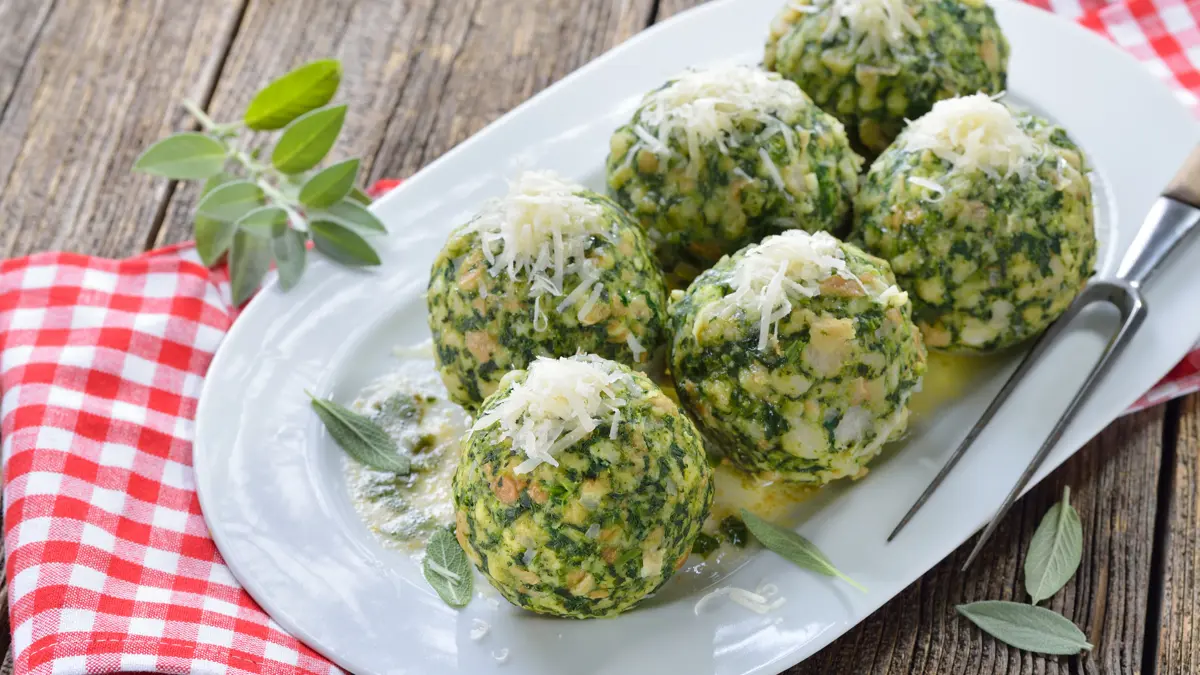
Speckknödel are hearty dumplings from Austria’s Tyrol region, packed with smoky bacon and full of flavour. They’re a proper alpine classic and exactly the kind of dish you’ll crave after a long walk in the mountains.
The dumplings are made from bread, bacon, onions and herbs, then gently boiled until soft and tender. You’ll often find them served in a warming broth as Speckknödelsuppe, or plated with sauerkraut and a fresh salad on the side. Simple, filling and wonderfully comforting.
Beuschel
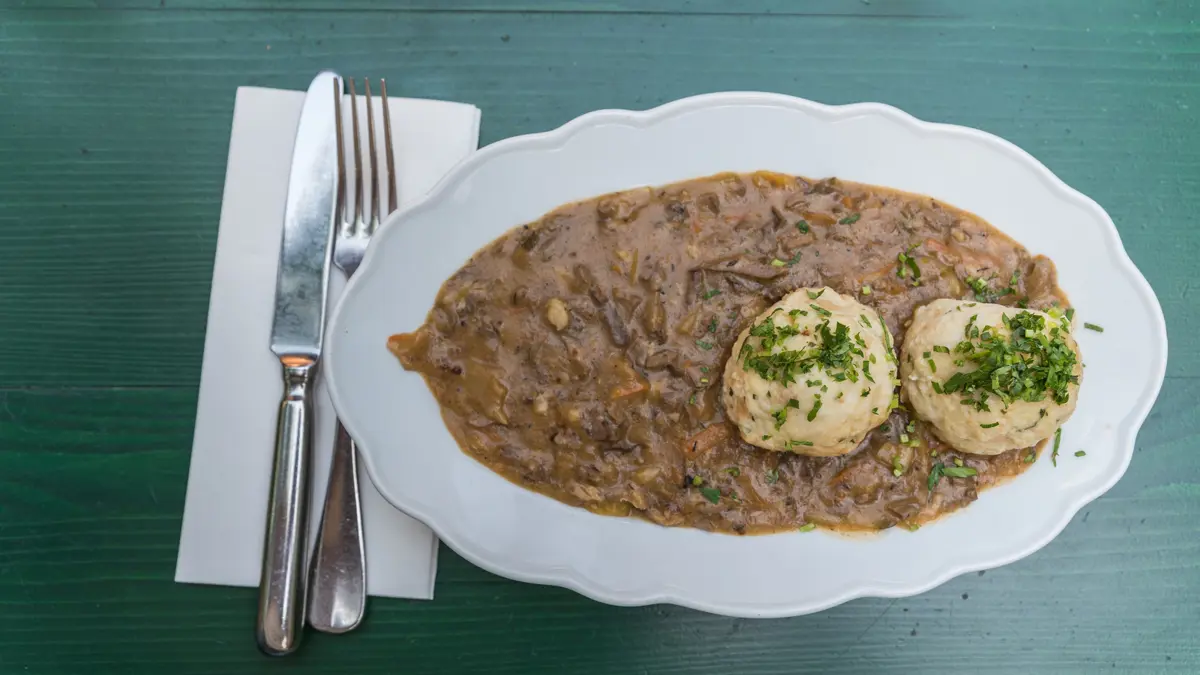
Beuschel is a traditional Austrian stew with deep roots in the country’s cooking. It’s made from offal, usually calf’s heart and lungs, slowly simmered in a rich, savoury sauce. This is the kind of dish you’re most likely to spot in old school local eateries that take pride in serving classic Austrian recipes.
Dating back to the 19th century, Beuschel became popular at a time when offal dishes were widely enjoyed and appreciated for their flavour and resourcefulness. It remains a fascinating example of traditional Austrian cooking today.
Kasspatzln
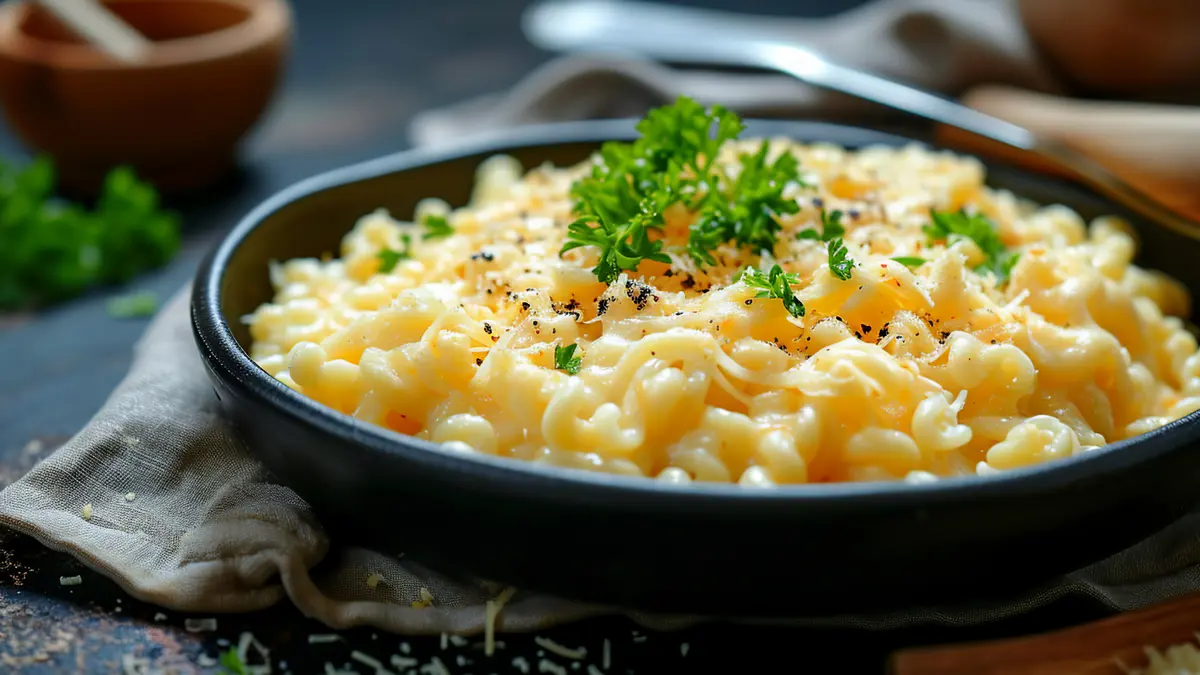
Käsespätzle, or Kasspatzln as it’s known in Tyrol, is alpine comfort food at its finest. Soft egg noodles, plenty of melted mountain cheese and a generous topping of crispy fried onions.
The noodles are made from a simple dough that’s pressed straight into boiling water using a spätzle maker. Once cooked, they’re tossed in a pan with sautéed onions and handfuls of grated cheese, often local favourites like Bergkäse or Graukäse.
Everything melts together into a rich, golden tangle that smells as good as it tastes.
You’ll find it on menus across Austria’s alpine regions, especially in Tyrol. It’s usually served with a fresh green salad on the side, just in case you’d like to pretend the meal is balanced.
After a long day of exploring, it’s exactly what you’ll be hoping to find on the menu.
Martinigansl
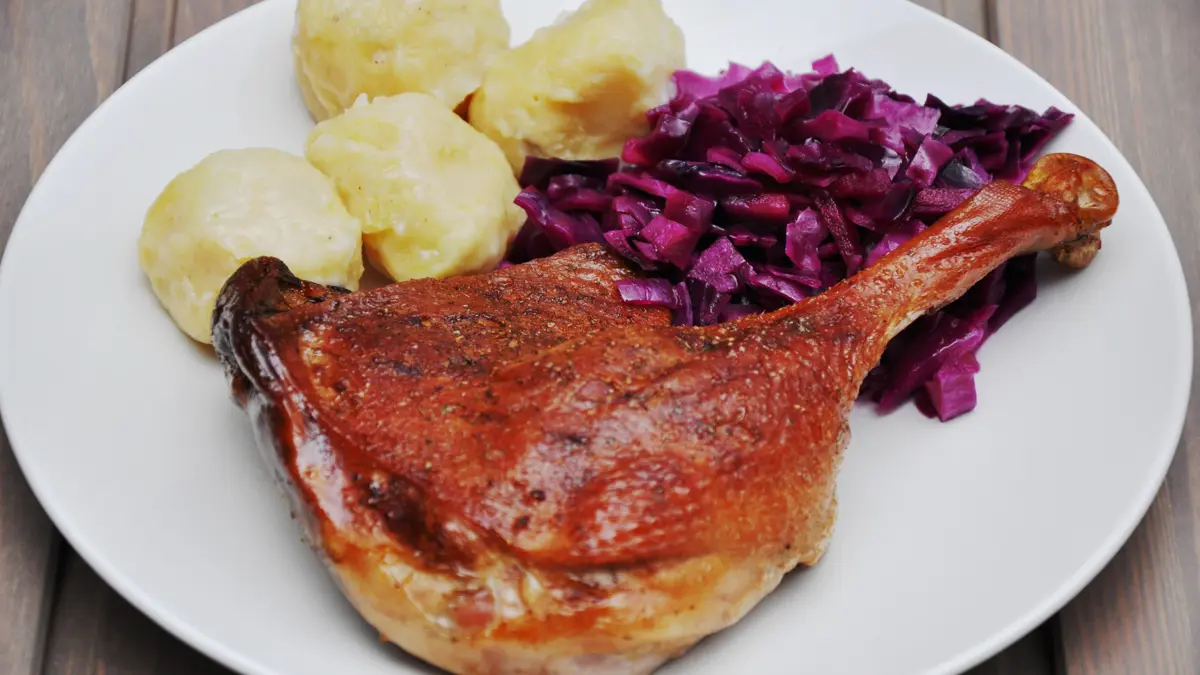
Martinigansl is a festive dish traditionally enjoyed on St. Martin's Day, featuring a roasted goose filled with dried plums and chestnuts.
While there are several takes on this dish, it's often served with red cabbage, potatoes, or Knödel dumplings.
The rich gravy that sometimes accompanies it is made from the goose's own juices and stock, adding a savoury depth to the meal.
This celebratory dish can be found in traditional restaurants, where it's savoured for its deep flavours and ties to holiday tradition.
Vienna Sausage
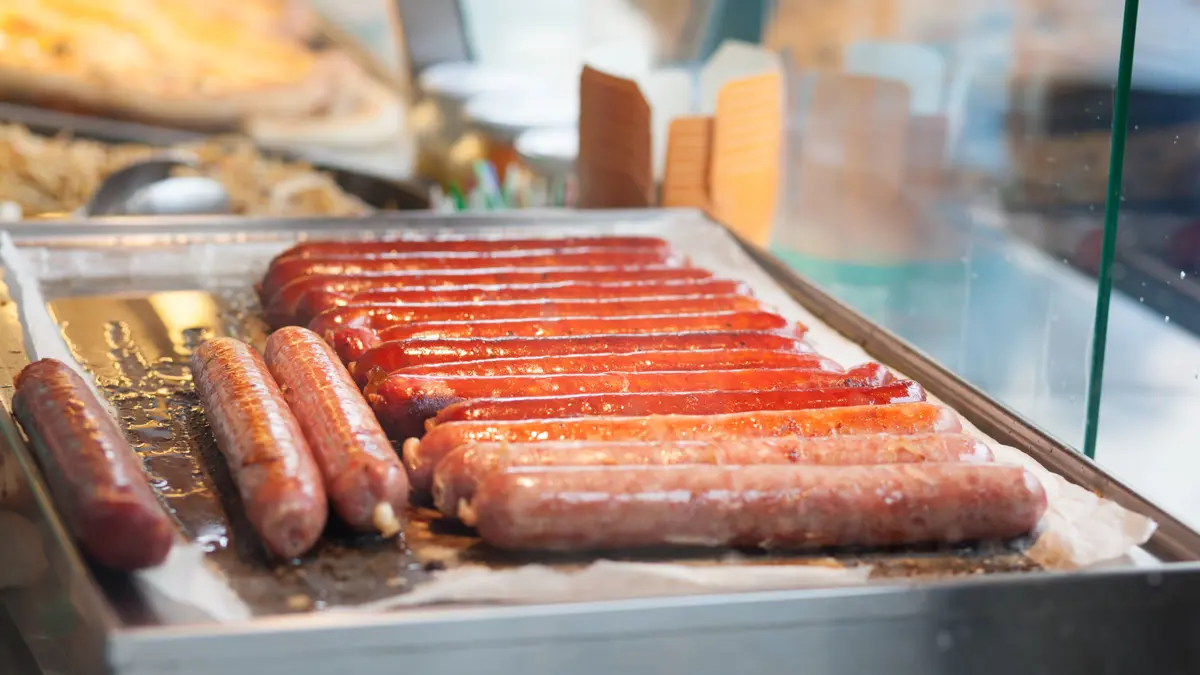
Vienna Sausage is a staple street food found all over the city, easily spotted at numerous sausage stands on many corners.
This popular sausage is slow-smoked to perfection, known for its slender shape and is often served with white bread, dark sourdough, or a side of mustard and horseradish for an extra kick.
While these stands might also offer other fast food favourites like kebabs and noodles, the Vienna Sausage remains the main attraction, celebrated for its rich pork taste and a delightful blend of spices.
Brettljause
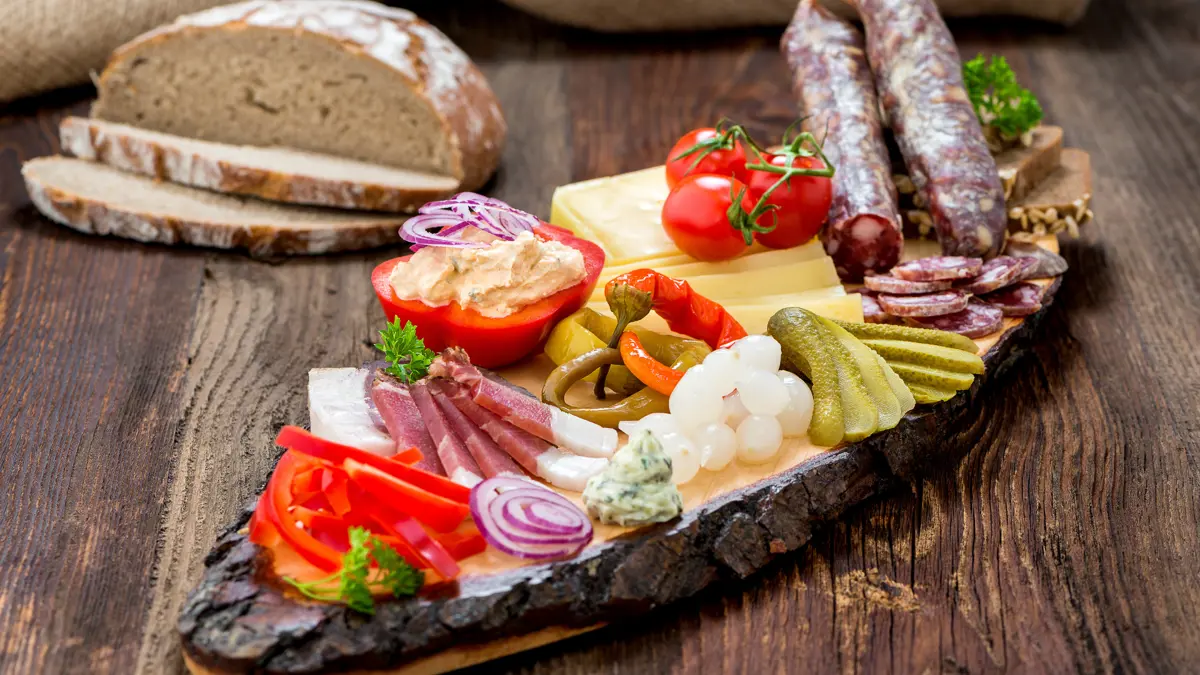
When in Austria, you’ll want to try this authentic Austrian food.
Brettljause is the ultimate Austrian snack platter, a hearty mix of meats and cheeses laid out on a wooden board, perfect for a satisfying bite.
This popular choice in taverns and rural spots mainly features pork-based meats and a selection of Austrian cheeses, many of which are naturally lactose-free.
The platter often includes extras like veggies, eggs, and even black pudding, adding to its appeal.
It's a common find in taverns throughout Austria, with many local restaurants also proud to serve up this traditional, tasty treat.
Kaspressknödel
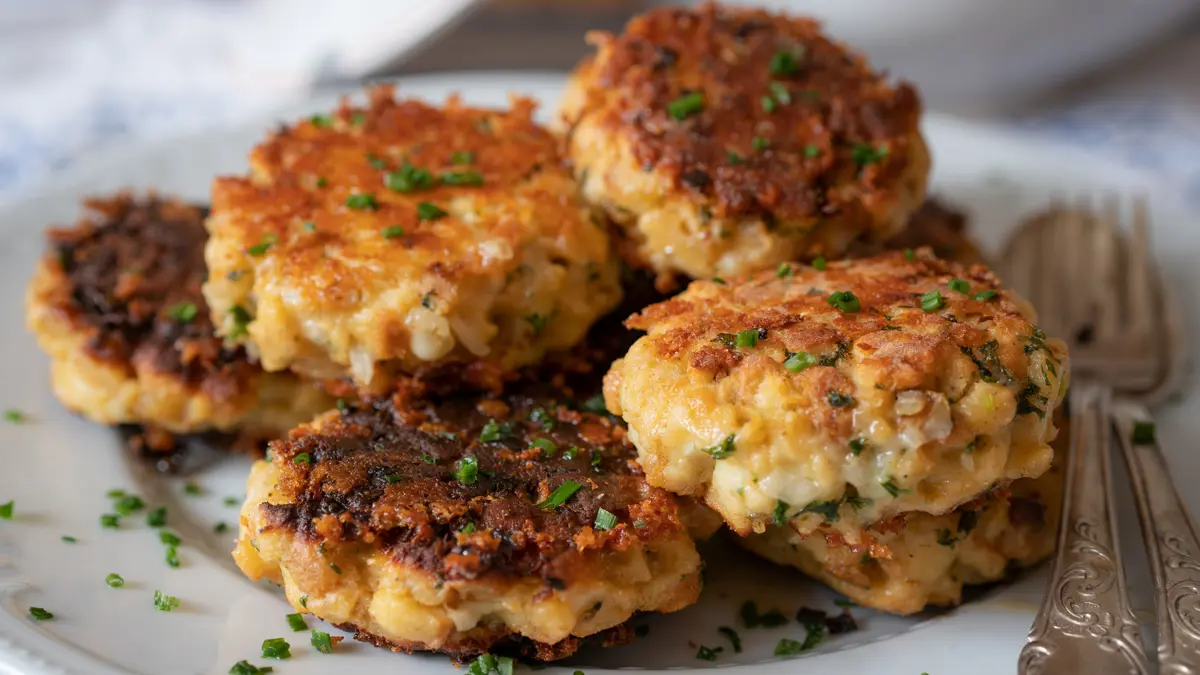
Kaspressknödel are a beloved cheesy treat, featuring flat bread dumplings stuffed with flavourful grey or mountain cheese.
These cheesy delights are pressed flat and fried until they're golden brown on each side, creating a crispy exterior and a gooey, cheesy middle.
You can enjoy them in a warm beef broth or alongside a fresh green salad.
Schlutzkrapfen
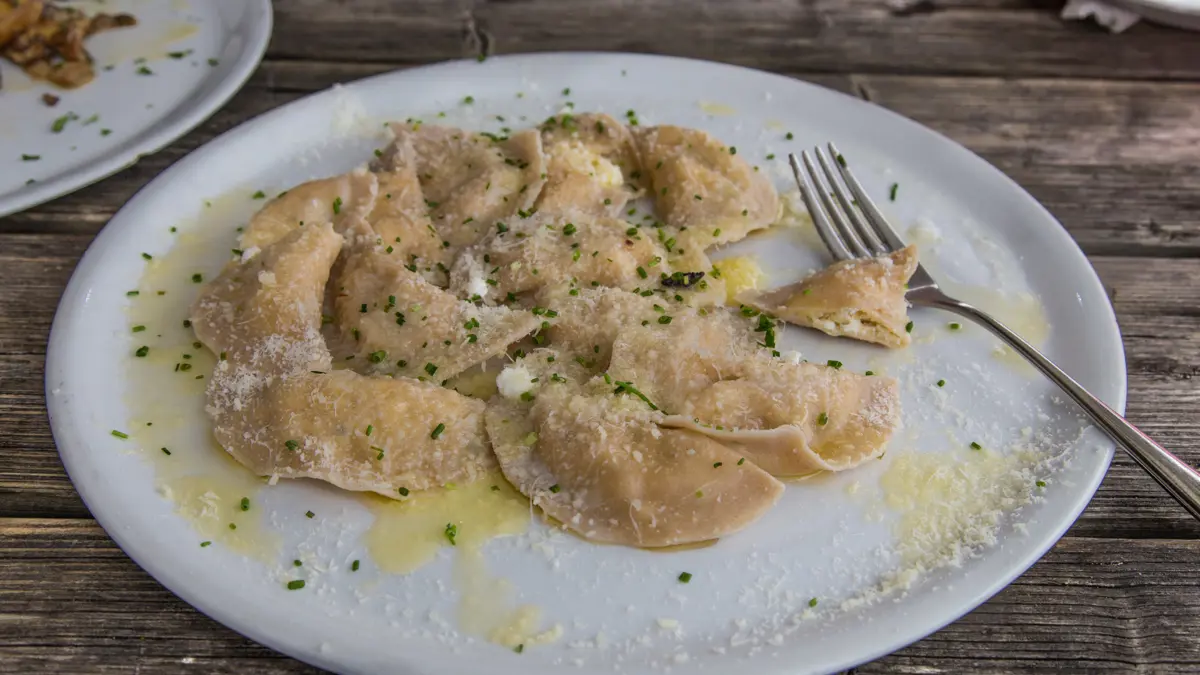
Schlutzkrapfen are delicious pasta parcels from the Tyrol region, shaped like crescents and filled with a savoury potato mixture.
These delightful dumplings are boiled in salted water and then served with a drizzle of brown butter and a sprinkle of parsley.
They combine simple ingredients to create a comforting and hearty dish that's perfect for a taste of traditional Tyrolean cuisine.
Zillertaler Krapfen
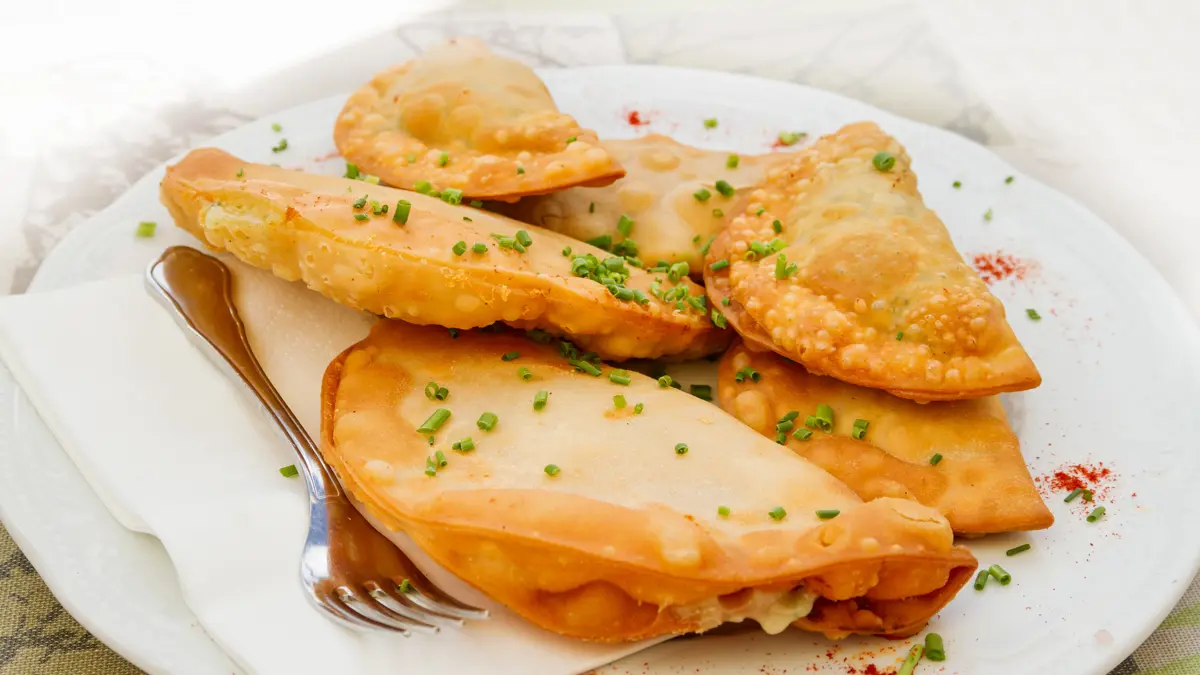
Zillertaler Krapfen is a celebrated specialty from the Zillertal Valley, renowned not just for its delicious taste but also for its place at the heart of Tyrolean celebrations.
Though it may be a bit challenging to make, the effort is well worth it. These treats feature a savoury grey cheese filling encased in a perfectly crispy shell.
It's a traditional Austrian dish that brings a taste of Tyrolean festivity to any table, combining rich, cheesy flavours with a satisfying crunch.
A must-try for fans of authentic Austrian food.
Schweinebraten
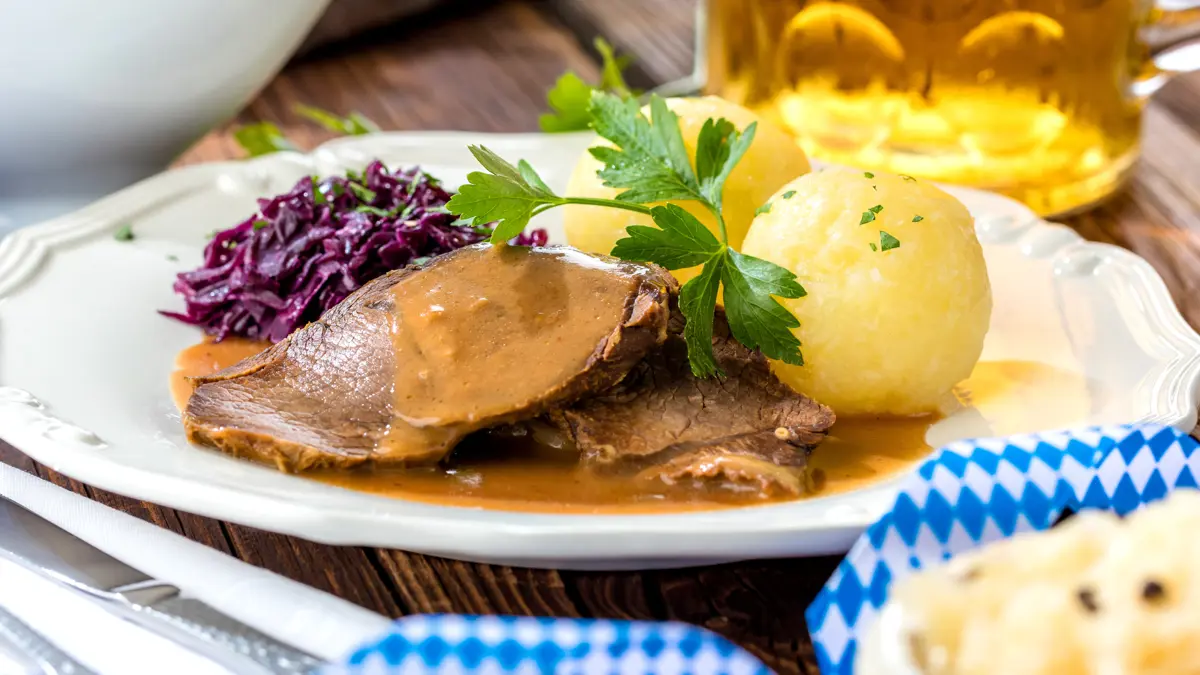
Schweinebraten is a classic Austrian dish, a succulent oven-roasted pork that's a staple at celebrations like weddings.
This hearty meal is typically served with bread dumplings and sauerkraut, creating a comforting and satisfying feast.
The pork is roasted in a shallow broth, ensuring it's flavourful and tender.
A favourite in traditional Viennese restaurants, Schweinebraten is a quintessential part of traditional Austrian cuisine.
Pretzels
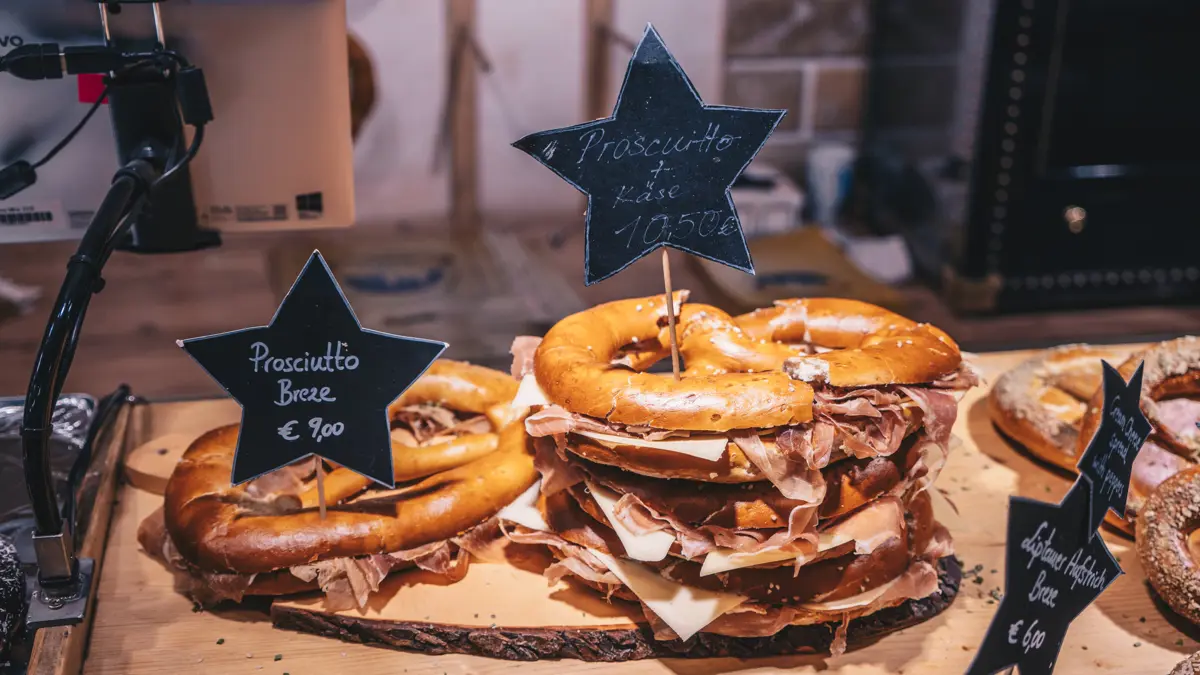
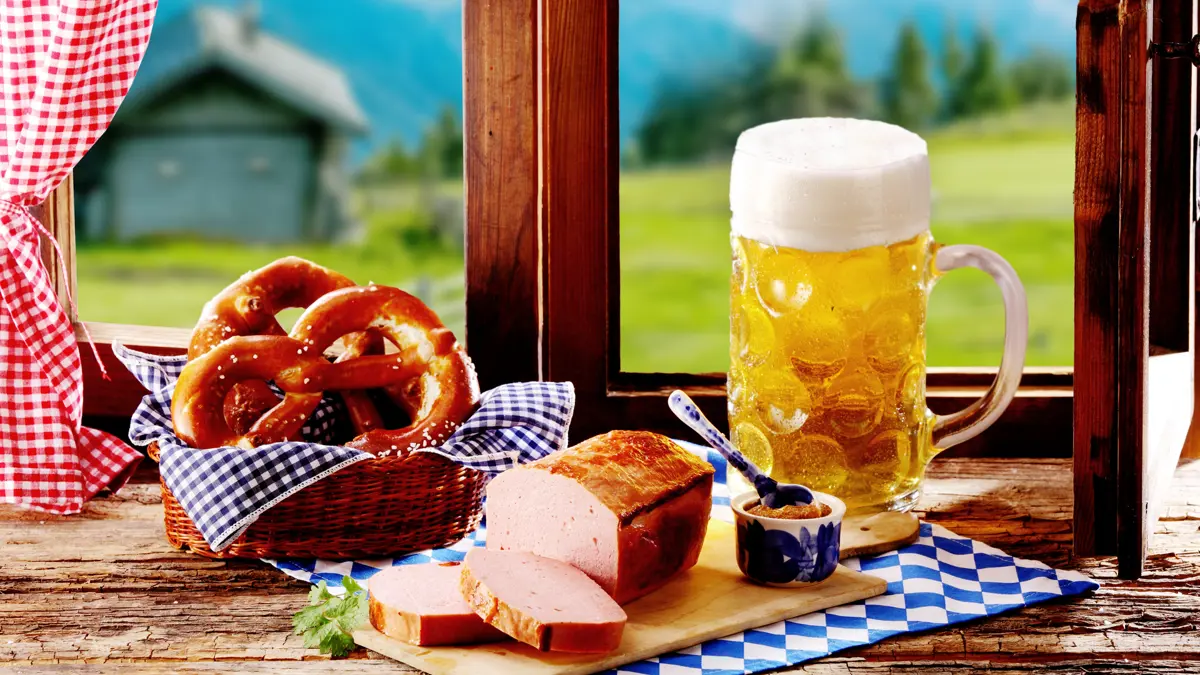
Pretzels hold a special place in Austrian cuisine, particularly in Vienna and the Salzburg region. Widely available in heurigen (wine taverns), breweries, bakeries, and street stands, these oversized, soft, and warm treats are a go-to snack.
When in Vienna, embracing the local street food culture by enjoying a pretzel, whether it's the classic salted variety or an adventurous cheese or chocolate-filled option, is a must for an authentic experience.
The sweet side of the Alps
Kiachl
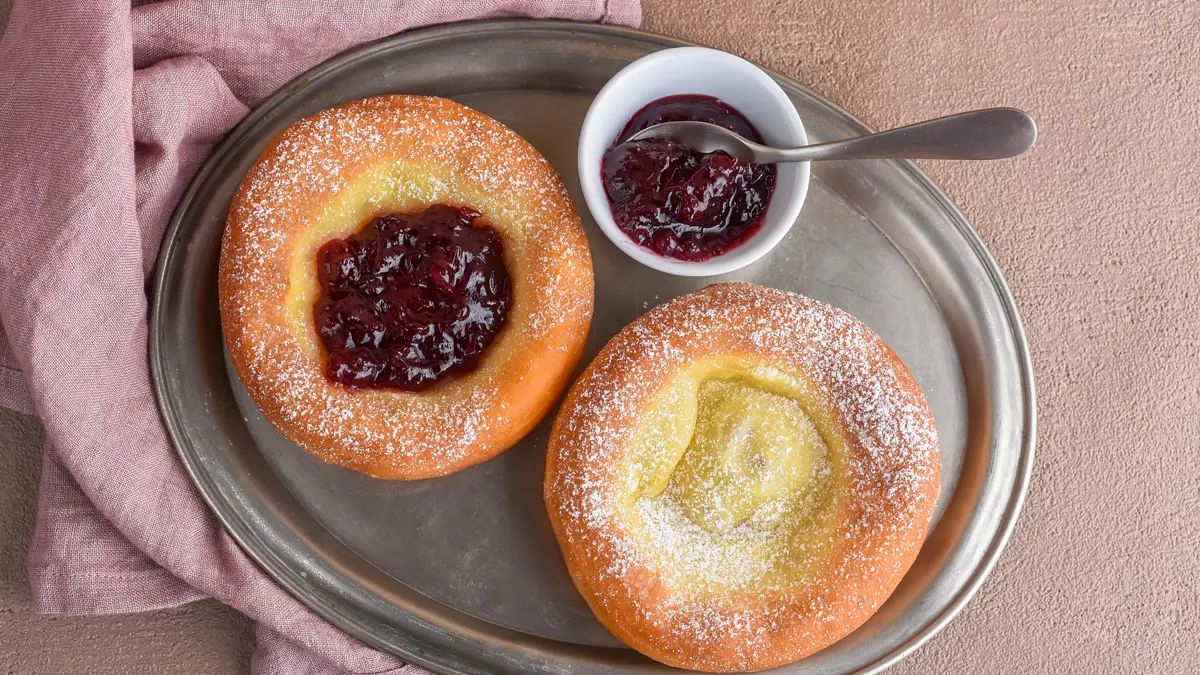
If we’re talking about famous Austrian dishes, then Kiachl is on the menu.
It is a traditional Austrian treat, a type of doughnut pastry that's fried in lard for a crispy, golden finish.They come with a delicious filling of cranberry jam and are lightly dusted with icing sugar for a sweet finish.
Kiachl can be enjoyed in two ways: savoury with sauerkraut or sweet with the jam. Originally, this delightful pastry was savoured during harvest time and on special holidays, making it a cherished treat for festive occasions.
Kaiserschmarrn
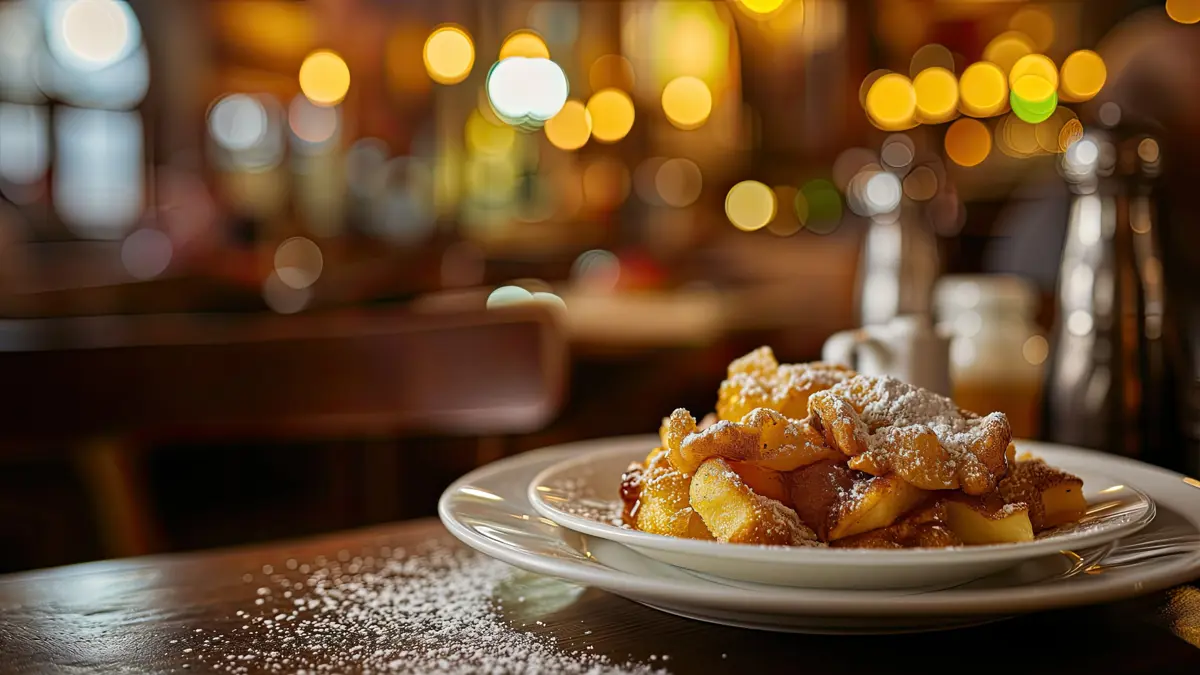
Local legend links this fluffy shredded pancake to Emperor Franz Joseph I of Austria, who is said to have really liked the dish. It is easy to see why. The chef whips up a batter of eggs, flour and milk, fries it in butter until golden, then uses forks to tear it into chunky bite sized pieces right there in the pan.
After a morning spent on the trails, pulling up a chair and tucking into a dish fit for an emperor is exactly the reward you have earned. Just do not expect to be in a hurry to start the walk back down.
Moosbeernocken
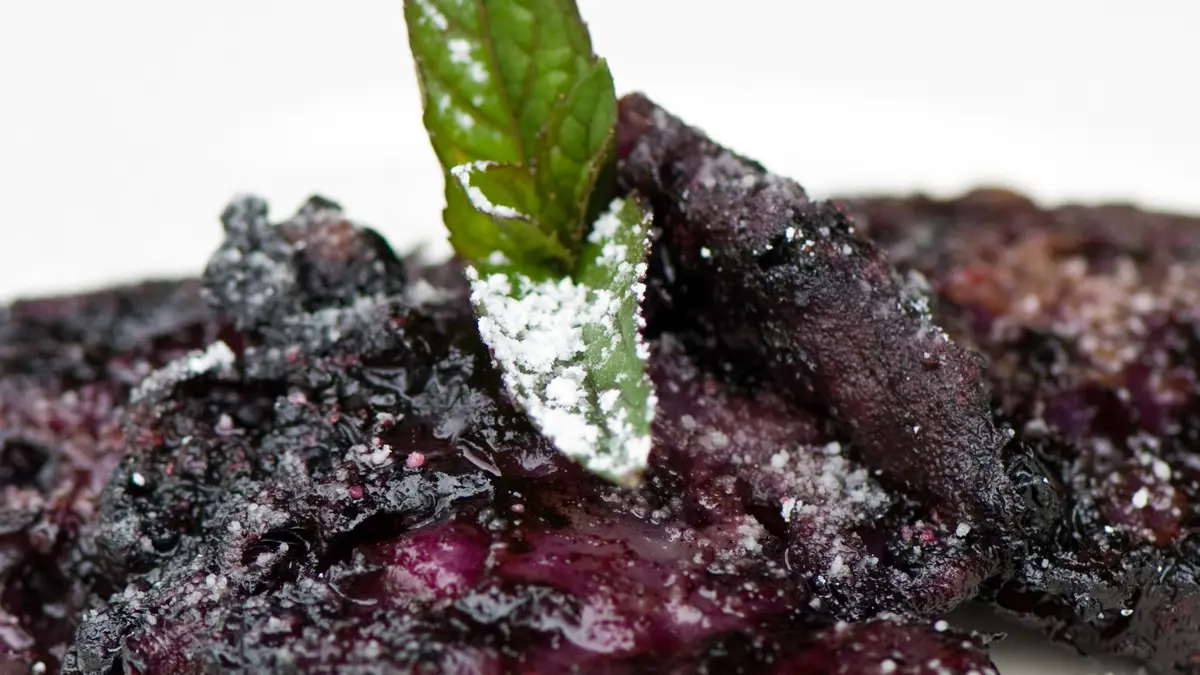
Moosbeernocken, also known as Moschbernockn, Schwarzbeernocken, Heidelbeerküchle, or Heidelbeertatscherl, is an Alpine specialty, taking advantage of the brief season when wild mountain blueberries are ripe for picking.
Traditional restaurants in Tyrol whip up this delightful dessert, which features these fresh blueberries in a pancake-like batter, all dusted with a sweet sprinkle of powdered sugar.
It's a simple, yet utterly delicious treat and a must-try for traditional Austrian cuisine.
Strauben
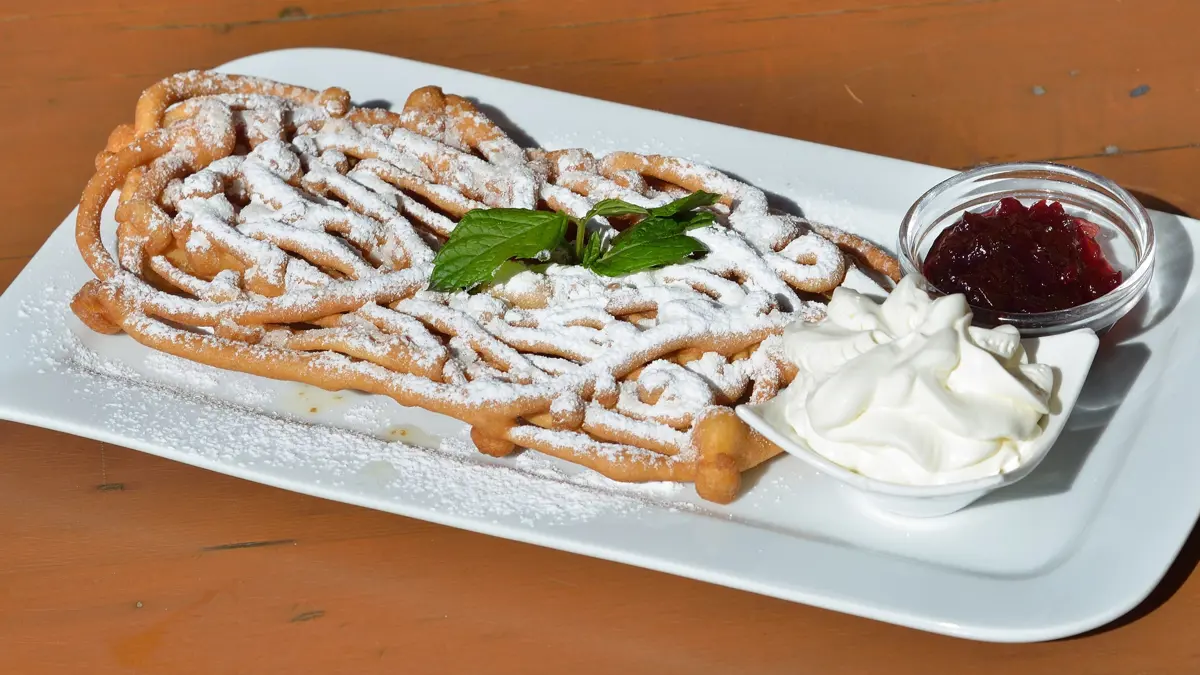
Strauben, a traditional Austrian funnel cake, brings a unique twist to sweet treats with its delicious mix of ingredients including flour, egg yolks, salt, and a splash of white wine.
They are also known for their "ruffled" appearance, which is where they get their name.
This snack involves a simple batter made from flour, eggs, and milk, which is creatively poured to create whimsical, curly shapes before being fried to a perfect golden brown.
Once crispy and ready, they're dusted with powdered sugar and served alongside tart cranberry jam.
Strauben are a must-try for anyone looking to get a taste of traditional austrian food.
Apfelradin
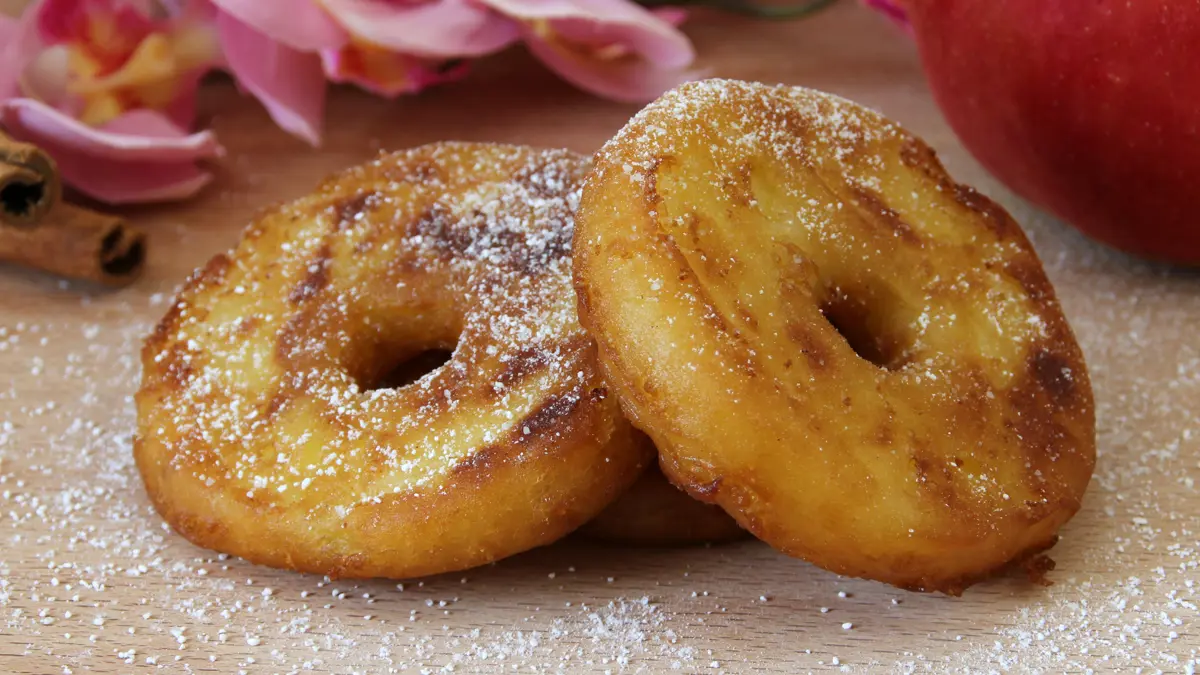
Apfelradln, or "apple wheels," are a sweet, simple delight. Slices of apple are dipped into a light batter and then fried in a pan until they turn a lovely golden brown on each side.
Served hot and fresh, they're sprinkled with a mix of cinnamon and sugar for a warm, comforting treat that perfectly balances the tartness of the apple with sweet and spicy flavours.
Apfelstrudel
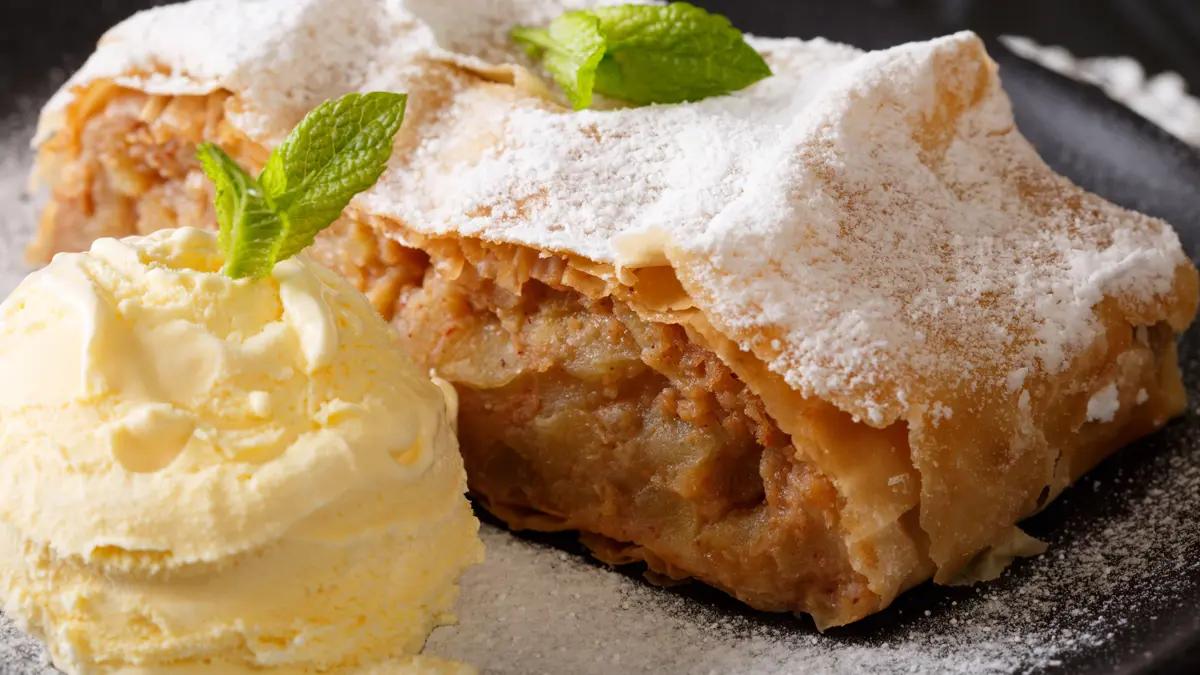
The hills are alive (with the smell of strudel).
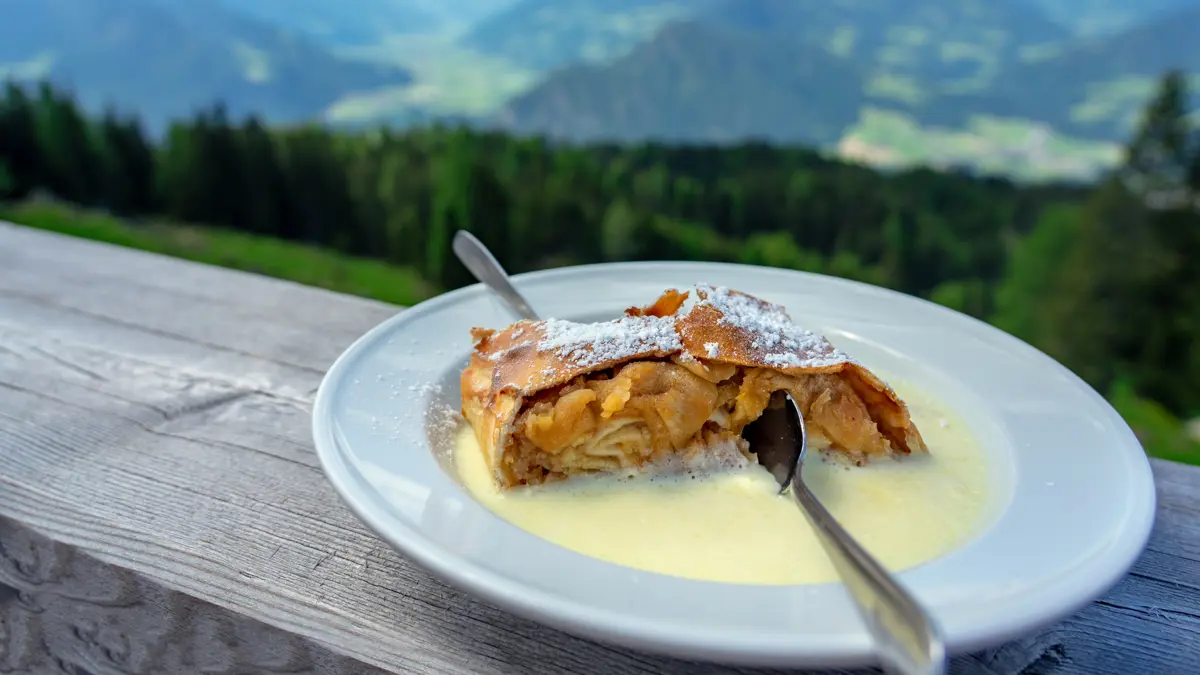
Apfelstrudel is a classic Viennese dessert that you can enjoy pretty much anywhere in the country. Whether you pop into a cosy café or a fancy pastry shop, you're likely to find this delicious treat on the menu.
The recipe, which dates back to 1697, involves wrapping thinly rolled puff pastry around a filling of apples, raisins, and almonds.
Normally, this scrumptious dessert is served with cream but the real magic happens when you pair it with warm vanilla sauce.
A must-eat for those seeking the authentic taste of classic Austrian dishes.
Topfenstrudel
Similar to the Apfelstrudel, Topfenstrudel is another traditional Austrian dessert. It’s a bit like a rolled up cheesecake inside a pastry.
It’s filled with a creamy cheese curd, similar to cheesecake filling, and often mixed with raisins.
Prügeltorte
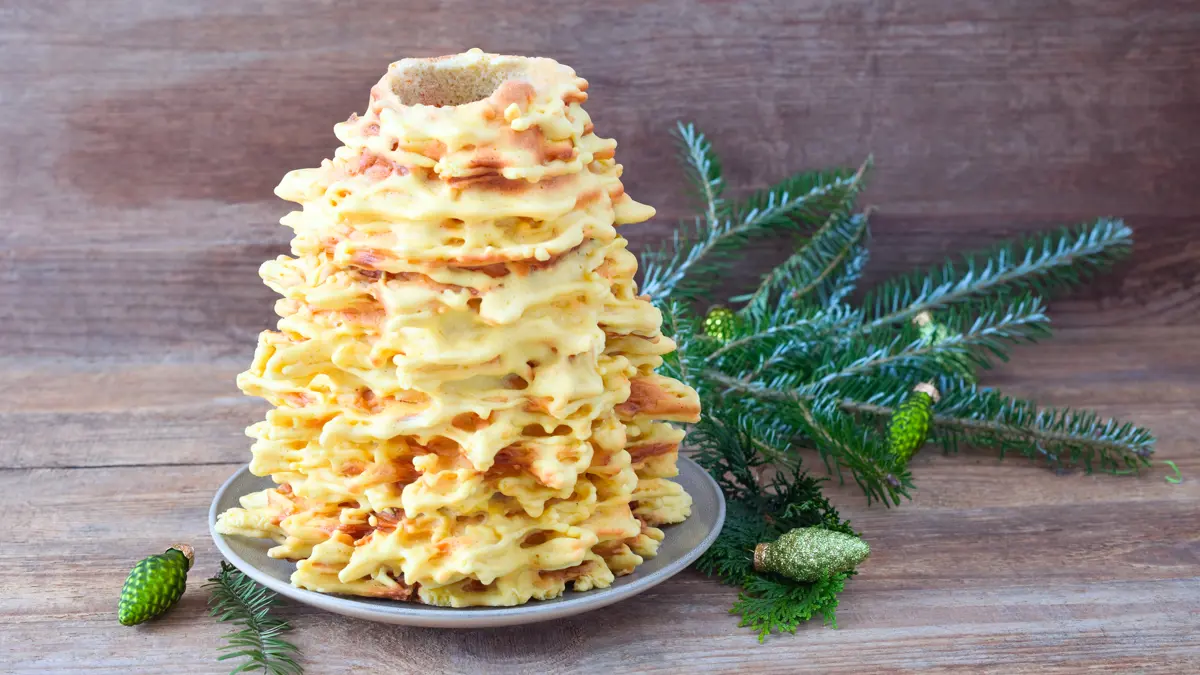
Let's just say, once you've had a slice of Prügeltorte alongside your coffee, there's no turning back. You've been sweetly spoiled for life.
Prügeltorte is a special type of Austrian cake, often seen at celebrations like weddings, christenings, and during the Christmas season. It is a beloved part of traditional Austrian cuisine.
It's created in a unique way by drizzling a liquid batter, made from eggs, butter, sugar, flour, and a hint of lemon zest, over a rotating spit.
This process gives the cake a distinctive hollow centre, which can be filled with cream or adorned with flowers for decoration. The sides of the Prügeltorte may also be embellished with icing.
Linzer Torte
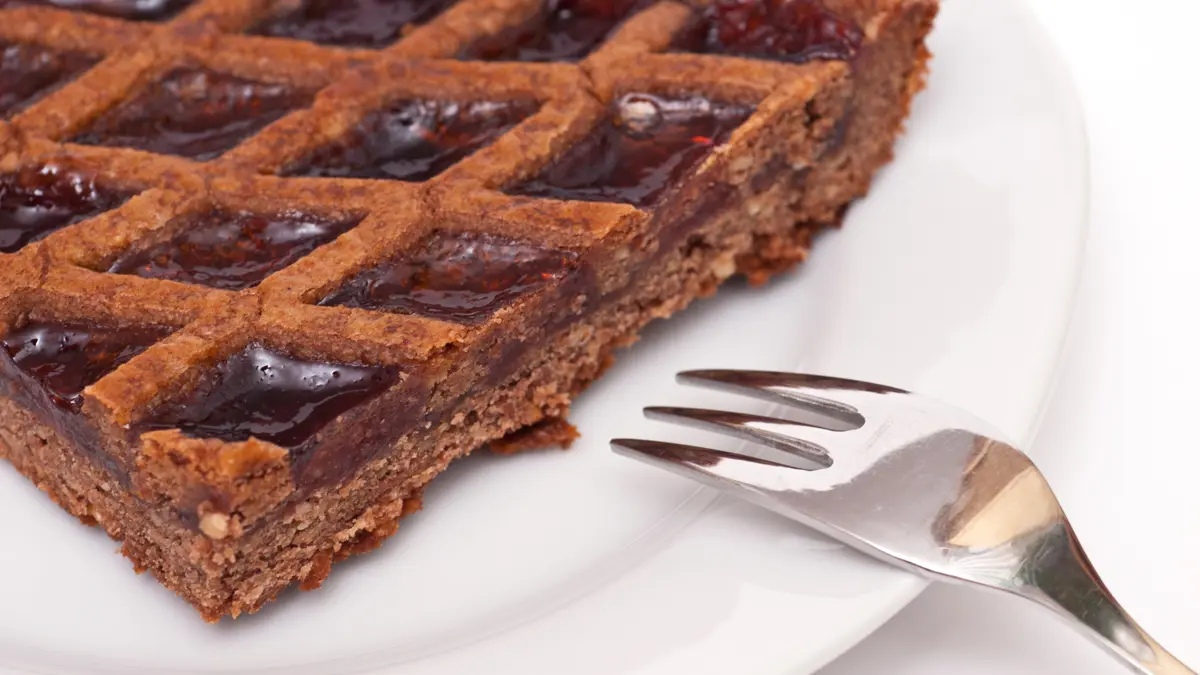
The Linzer Torte, named after the Austrian city of Linz, is a delightful shortcake pastry filled with redcurrant jam.
It holds the title of the oldest cake in the world and stands as a true Austrian classic.
This delicious treat is typically served with a generous dollop of whipped cream and a light dusting of sugar, making it a timeless favourite for its rich flavour and charming presentation.
Sachertorte
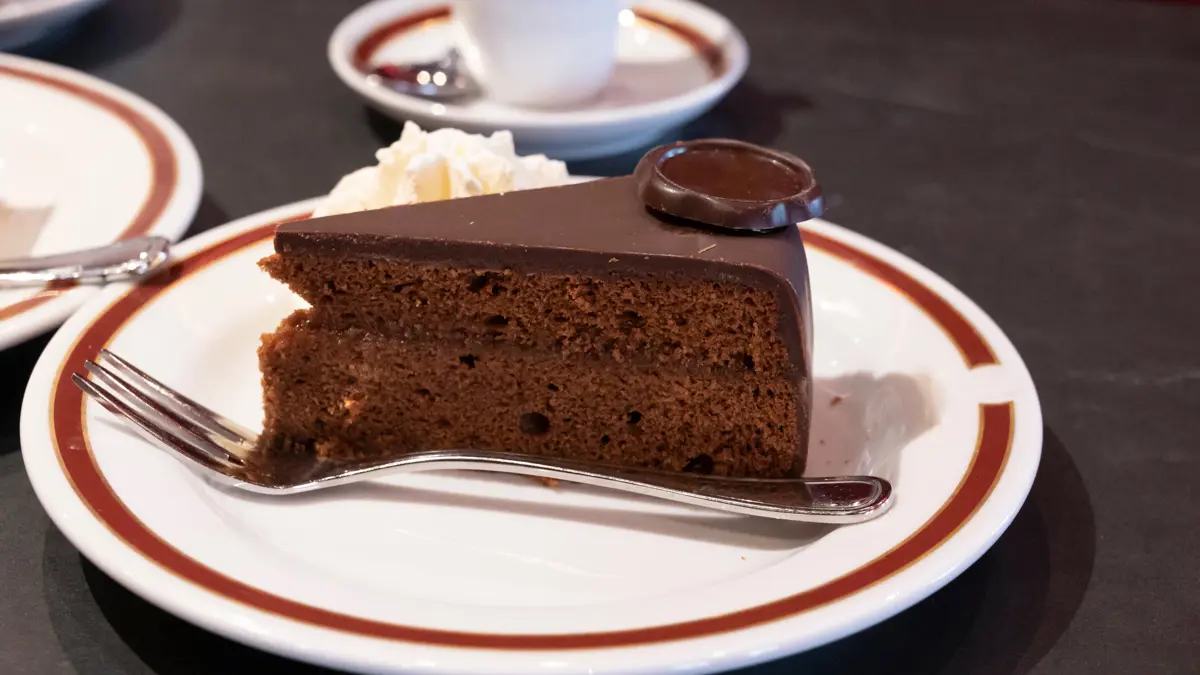
The Sachertorte Cake is a luxurious chocolate cake with roots in Vienna, dating back to 1832.
Crafted by a 16-year-old apprentice chef named Franz Sacher for Prince Metternich, this cake quickly won the hearts of chocolate lovers around the globe.
The original Sachertorte recipe remains a closely guarded secret, known exclusively to the skilled confectioners at Hotel Sacher in Vienna, making it not just a dessert but a piece of culinary history.
A crown jewel among classic Austrian dishes.
Austrian drinks
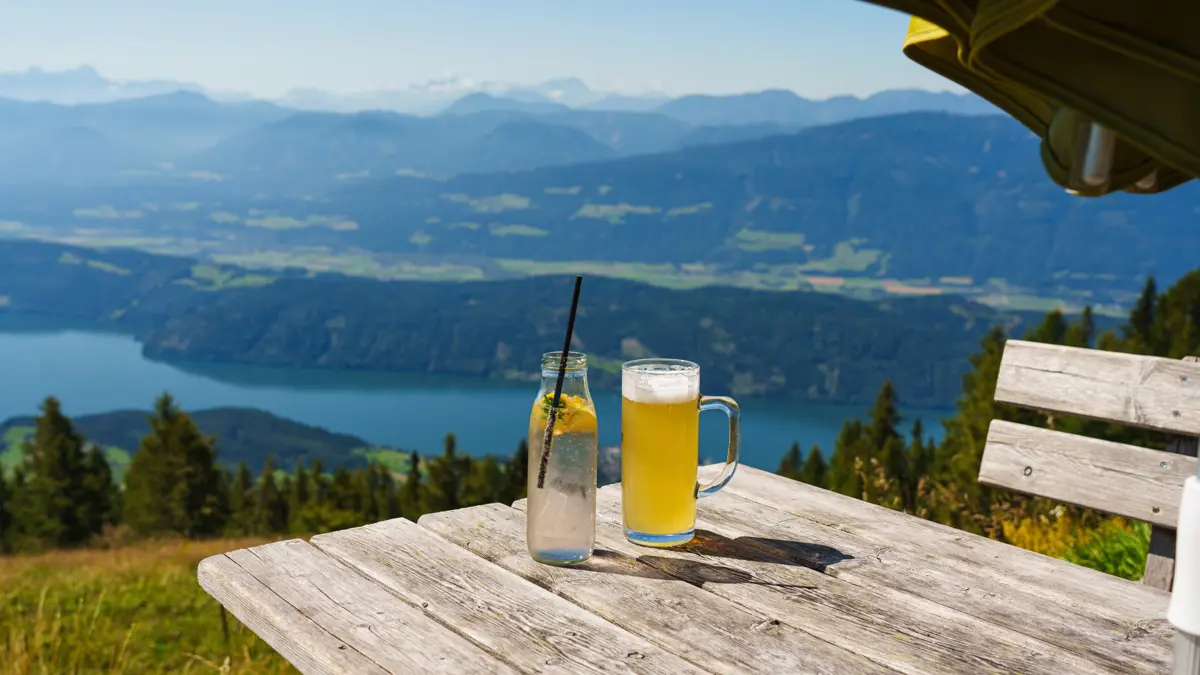
In the cosy cafes of Vienna, coffee reigns supreme, offered in countless styles and always accompanied by a glass of water.
For those with a sweet tooth, Viennese hot chocolate is a must-try, decadently rich and topped with a swirl of heavy cream.
But if you're looking to quench your thirst with something uniquely Austrian, reach for an Almdudler. This local soft drink, bursting with the flavors of alpine herbs, is considered the national beverage of Austria.
Venture into eastern Austria, and you'll find yourself in the heart of the country's wine region, known for producing exquisite Riesling and Veltliner wines.
Beer lovers, fear not because Austria has you covered with a variety of brews from local breweries scattered across the country, including popular names like Stiegl, Ottakringer, Egger Bier and Zillertal Bier.
For over 500 years, the village of Zell am Ziller has crafted beer with tradition and care. While large breweries often rush their beer to completion in about ten days, Zillertal Bier takes a different approach.
Here, brews are given the luxury of time, aging for at least eight weeks to reach flawless perfection.
Austria
From 912pp
Base on 4 night, 3 adults, from London Gatwick + 1 more on 19th Jun 2027
Prices shown are inclusive of local tax payable in resort
Get inspired for your next walking holiday
Insider guidesFind more like this:
Food and Drink
Destinations
Alpbach
Austria
Ellmau
Filzmoos
Ischgl
Kitzbühel
Lech
Mayrhofen
Oberau
Obergurgl
Seefeld
Söll
St Anton
St. Johann in Tirol
Westendorf
Zell am See
Austrian Tyrol
Fuschl am See
Lake Achensee
Neustift
Pertisau
St. Gilgen
The Salzkammergut
The Wildschönau Valley
Solo Holidays
Sign up now to save £100 on your first Inghams summer holiday
Sign up now