Traditional Slovenian food & drink
A guide to traditional food in Slovenia
If you’re heading to Slovenia with us, this guide introduces the country’s most popular traditional dishes.
Whether you’re eating by Lake Bled, indulging in alpine treats in Kranjska Gora, or grabbing street food in Ljubljana, every meal comes with a side of good memories (and probably seconds).
Eat as the locals do and try classics like the famous Kranjska klobasa sausage, the much-loved Idrijski žlikrofi dumplings, and the proudly layered Prekmurska gibanica cake.
Slovenia
From 778pp
Base on 3 night, 2 adults, from London Gatwick + 0 more on 18th Sep 2027
Prices shown are inclusive of local tax payable in resort

Simple ingredients, big flavours
Slovenian food is simple, hearty, and full of flavour. It’s built around everyday ingredients like meat, vegetables such as cabbage and turnips, and grains including buckwheat.
Slovenian cuisine reflects the country’s history and its close ties with neighbouring countries. You’ll still see these influences today in many traditional dishes.
Local, seasonal ingredients sit at the heart of Slovenian cooking, with many recipes passed down through generations. Chefs often take inspiration from classic family dishes, updating them with a modern twist.
Across the country, you’ll find Hungarian-inspired goulash, warming sour cabbage dishes, Italian-style pasta in the south, and Mediterranean-influenced seafood along the coast.
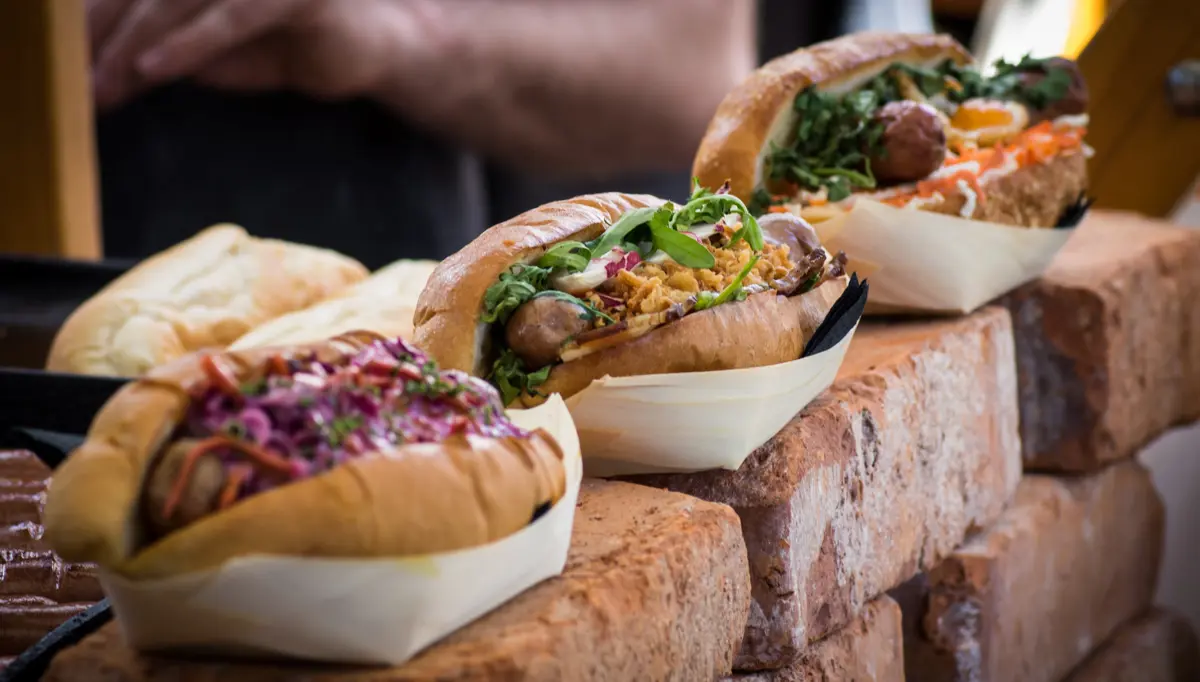
Ljubljana is a great destination for food lovers, with plenty of street food stalls and restaurants to choose from. In the Slovenian Alps, dairy plays a leading role, with milk used to produce a wide range of local cheeses.
These cheeses are often enjoyed alongside hearty dishes like žganci. In Slovenia’s meadows and forests, Carniolan grey bees produce high-quality honey that features in many local recipes.
Typical Slovenian meals
A typical Slovenian meal unfolds in three courses. Soups are often simple, like clear broths made with beef or chicken.
Next comes the main course, typically a meat dish like pork cutlets, sausage, or goulash, accompanied by potatoes, vegetables, and sometimes a salad.
Lamb and game are also commonly used meats. Italian influences peek through in the popularity of various pastas and ravioli.
From garden to plate
Slovenia may share a border with Italy, and pasta does appear on some menus. But when it comes to vegetables, Slovenians often rely on produce grown close to home.
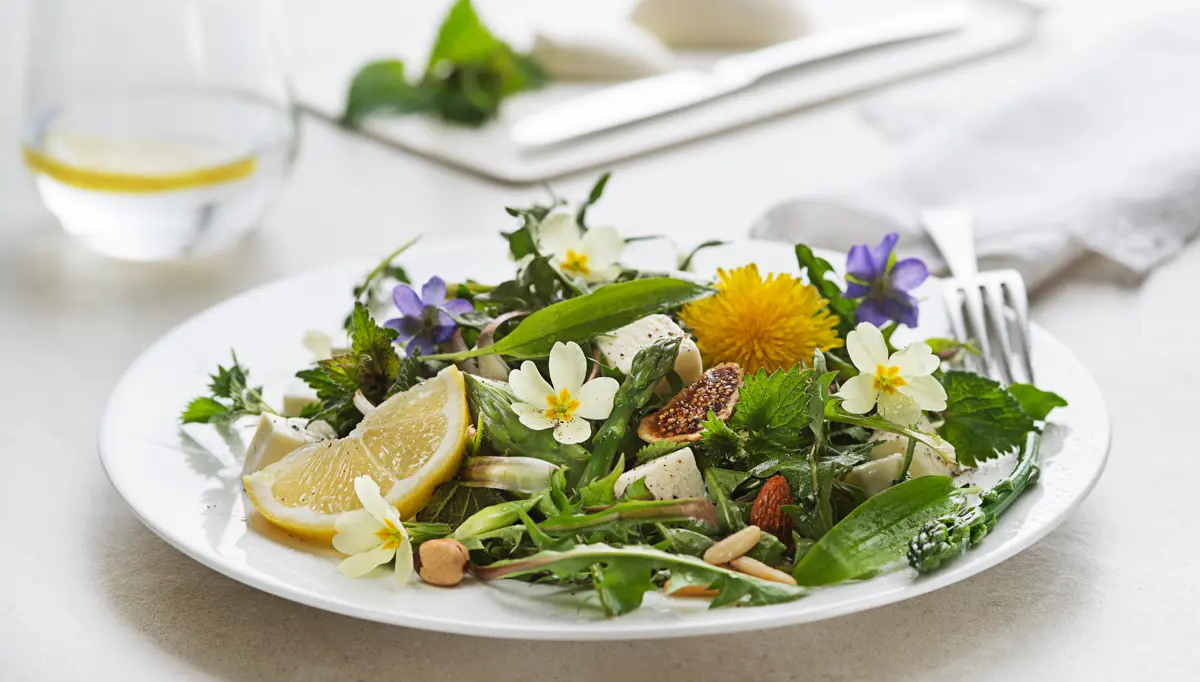
Dandelion salads have been enjoyed for centuries, picked from fields as the snow melts in early spring, usually around March or April. Once the plants begin to flower, they’re no longer used.
Slovenian national dishes you must try
Idrijski Žlikrofi
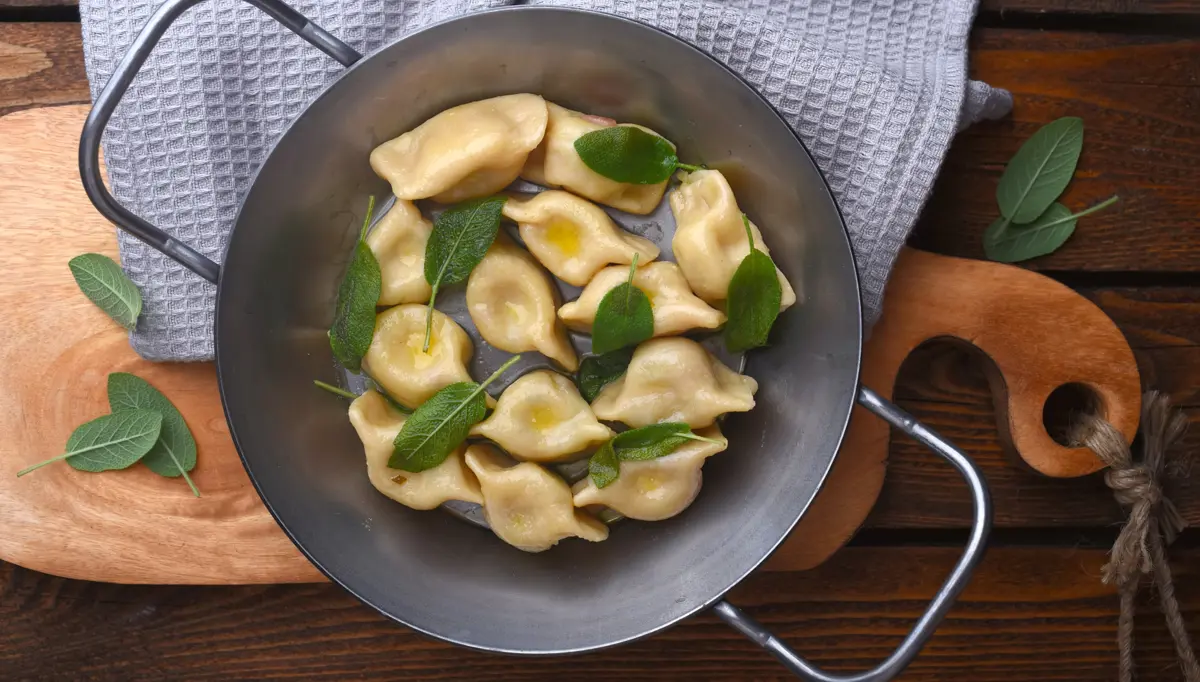
Idrijski žlikrofi are a traditional pasta dish from the Slovenian mining town of Idrija and are protected under EU quality schemes.
They are made from pasta dough, rolled thin and filled with a seasoned potato and sautéed onion mixture, then shaped into their distinctive hat-like form.
The dumplings are boiled and served either as a starter or a main course.
Well known across Slovenia, Idrijski žlikrofi are a popular dish worth trying during your visit.
Ajdovi Žganci

Ajdovi Žganci, or buckwheat spoon bread, holds a special place in Slovenian cuisine as a national favourite.
Alongside buckwheat flour, this dish can also feature potato or wheat flour.
Obara
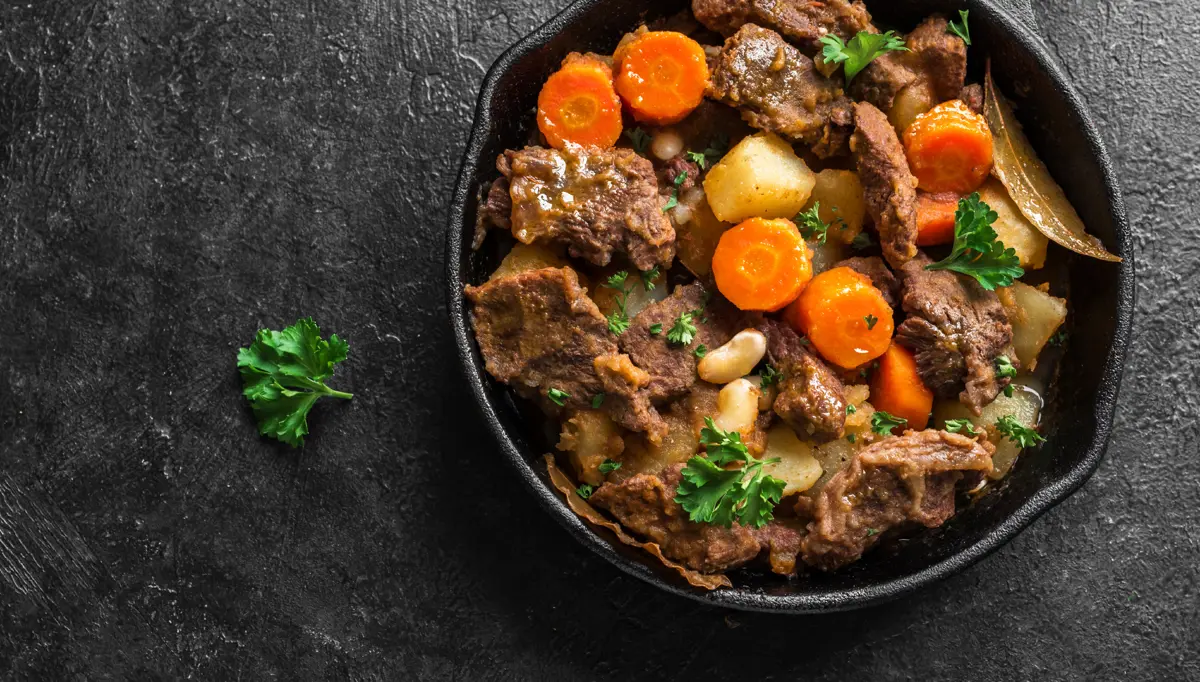
Obara is a hearty meat and vegetable soup from Slovenia's Štajerska region. Unlike other stews, like barley stew or goulash, it's packed with a variety of veggies and meats.
Typically named after the meat used, such as chicken or beef, it's loaded with carrots, turnips, beans, peas, and onions.
Originally a festive treat, it's now a common dish found in Slovenian eateries, often served with buckwheat or potato žganci for extra heartiness.
Golaž
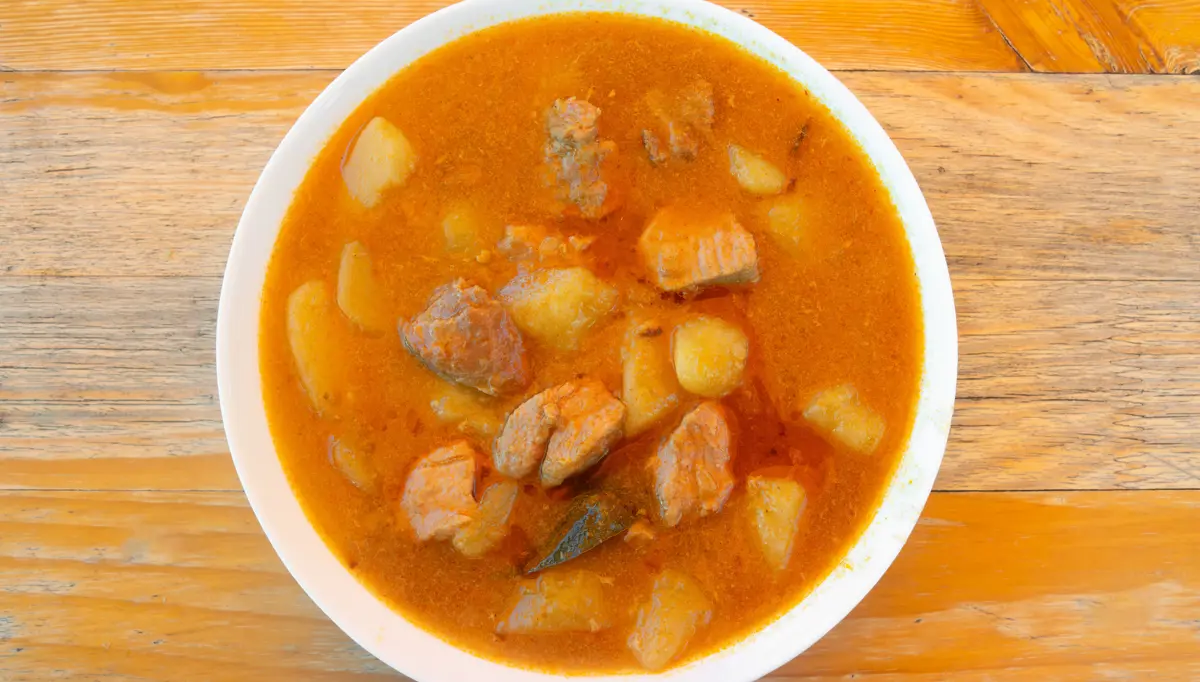
Golaž, or goulash, is a Slovenian meat stew with roots in Hungary and Austria.
It features diced onions and beef flank chunks, with tomato paste and paprika for colour and flavour.
The onions are sautéed until soft before adding the goulash spices like marjoram, caraway seed, paprika, and bay leaves, which are essential for that authentic taste.
After frying the spices, beef chunks are added and braised in tomato sauce and red wine. The longer it simmers, the richer and thicker it gets—some say it's even better the next day.
Kranjska Klobasa (Carniolan sausage)
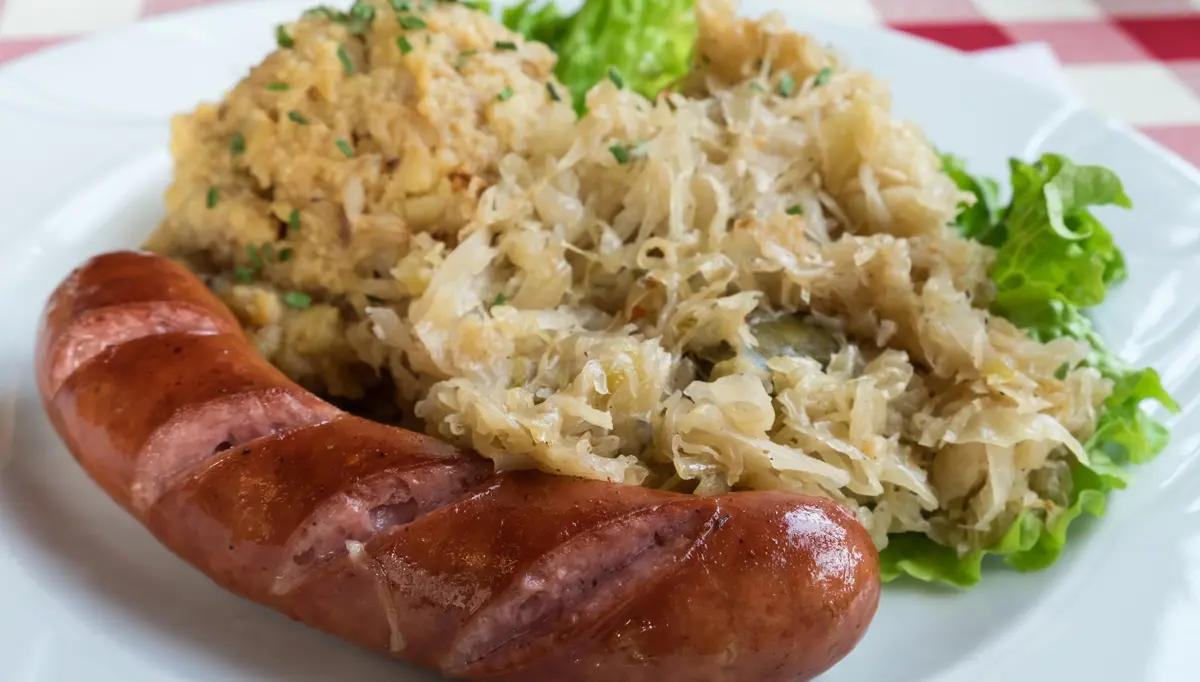
Kranjska Klobasa is a cherished Slovenian sausage with EU protection, named after the historic region of Kranjska or Carniola.
This sausage, perhaps Slovenia's most renowned culinary treasure, earned its name "kranjska" in 1896 and achieved protected status in 2015.
Originally hailing from the Gorenjska region, it has since spread throughout Slovenia.
With its distinct smoky flavor, this cherished Slovenian delicacy must consist of at least 68% pork, 12% beef, and no more than 20% bacon.
Gobova Juha
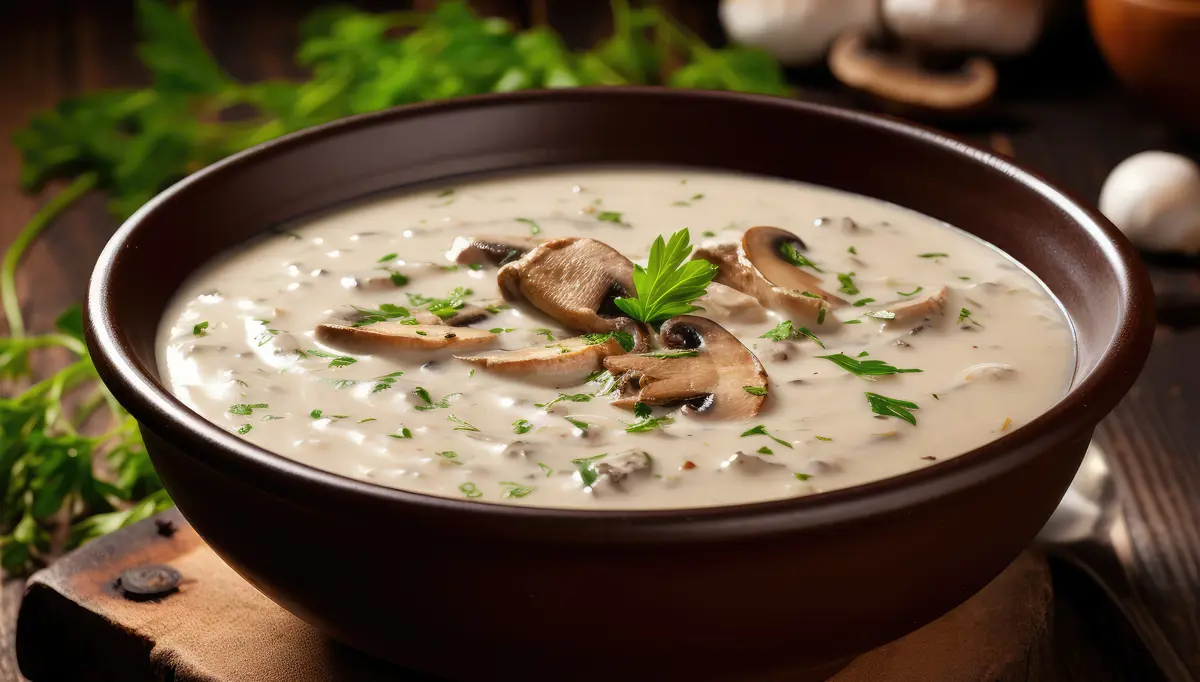
Gobova juha, a classic Slovenian mushroom soup, comes in various renditions. Typically, it features a medley of wild mushrooms, onions, garlic, butter, flour, potatoes, white wine or wine vinegar, bay leaves, marjoram, salt, and pepper.
To prepare, onions are gently sautéed in butter before being combined with flour and garlic. Chunks of mushrooms are then added to the pot along with water, marjoram, bay leaves, potatoes, salt, and black pepper.
The soup simmers over low heat until the potatoes reach a tender consistency.
Krašk Pršut
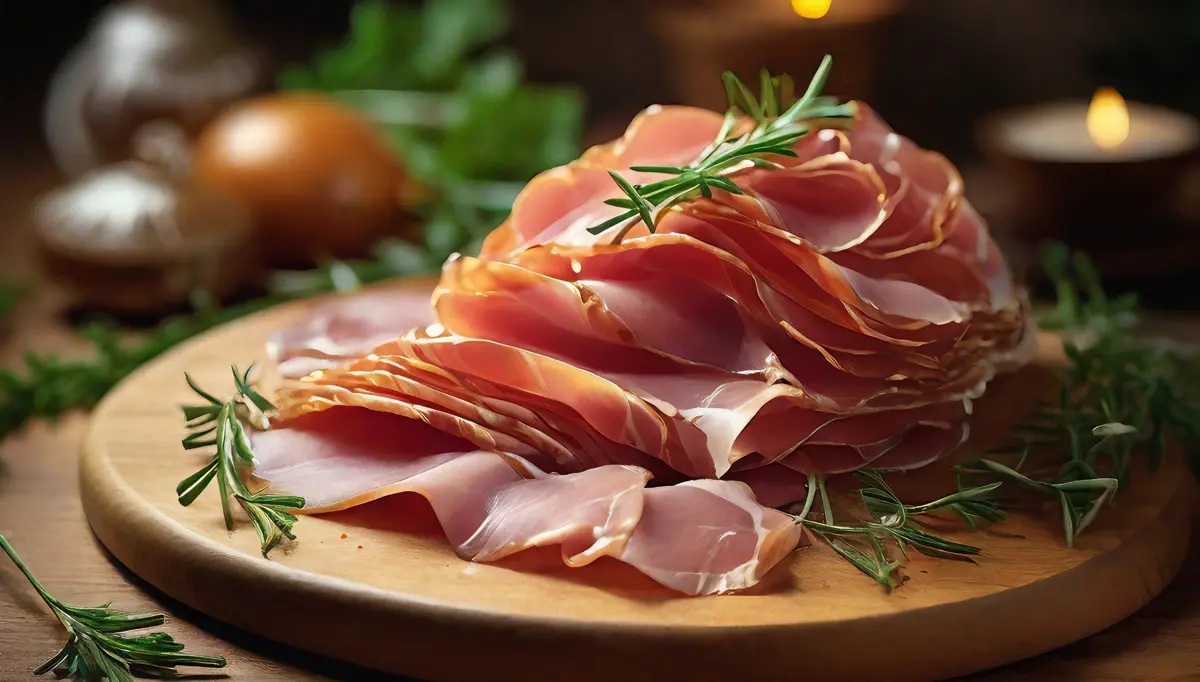
The Slovenian Kraški pršut, also called Karst prosciutto or Karst ham, is the top choice for Slovenian cured meats.
It's a dry-cured ham, not smoked, with a tradition over a hundred years old.
Its unique taste comes from the ideal climate in the Karst region, which affects how it dries and ages.
Jota
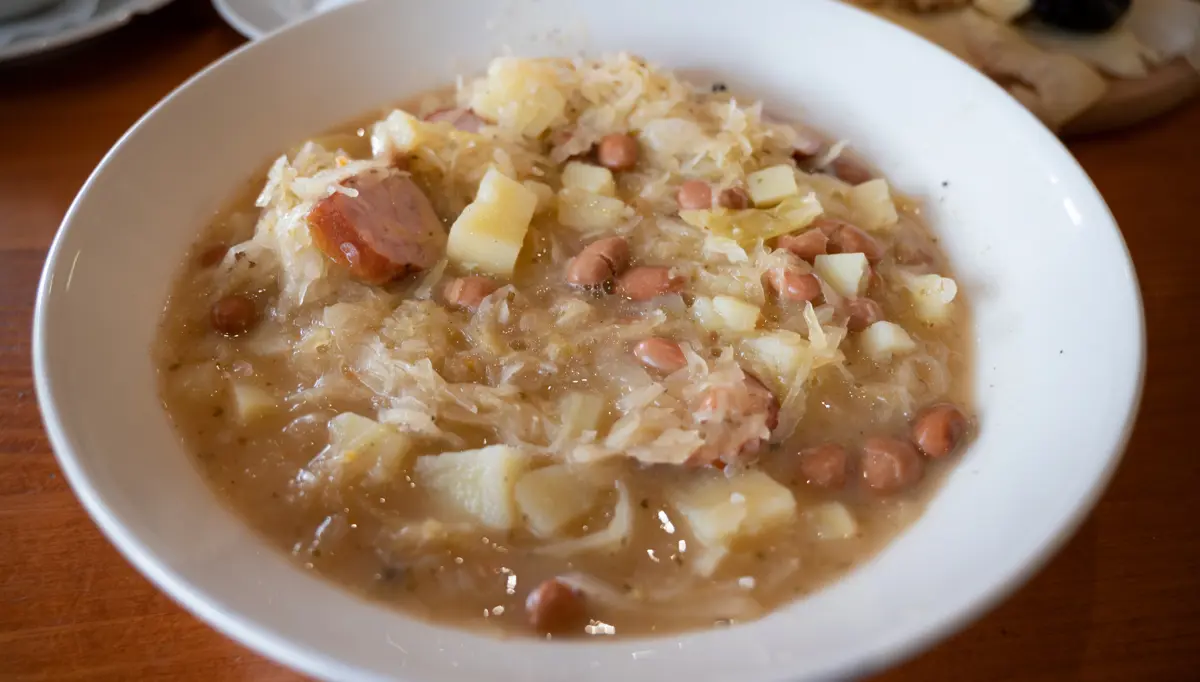
Jota, or Istrian stew, is a hearty soup from the Primorska region near the Adriatic Sea, popular in the northern Adriatic areas.
It's made with beans, sauerkraut or sour turnip (kisla ripa), potatoes, bacon, and spare ribs.
Bread and potatoes are staple foods in Slovenia and are key ingredients in this comforting dish.
Jota has a unique sweet-sour flavor, common in Eastern European cuisine. Serving it with crusty bread makes a perfect meal to warm up and lift spirits.
Prežganka
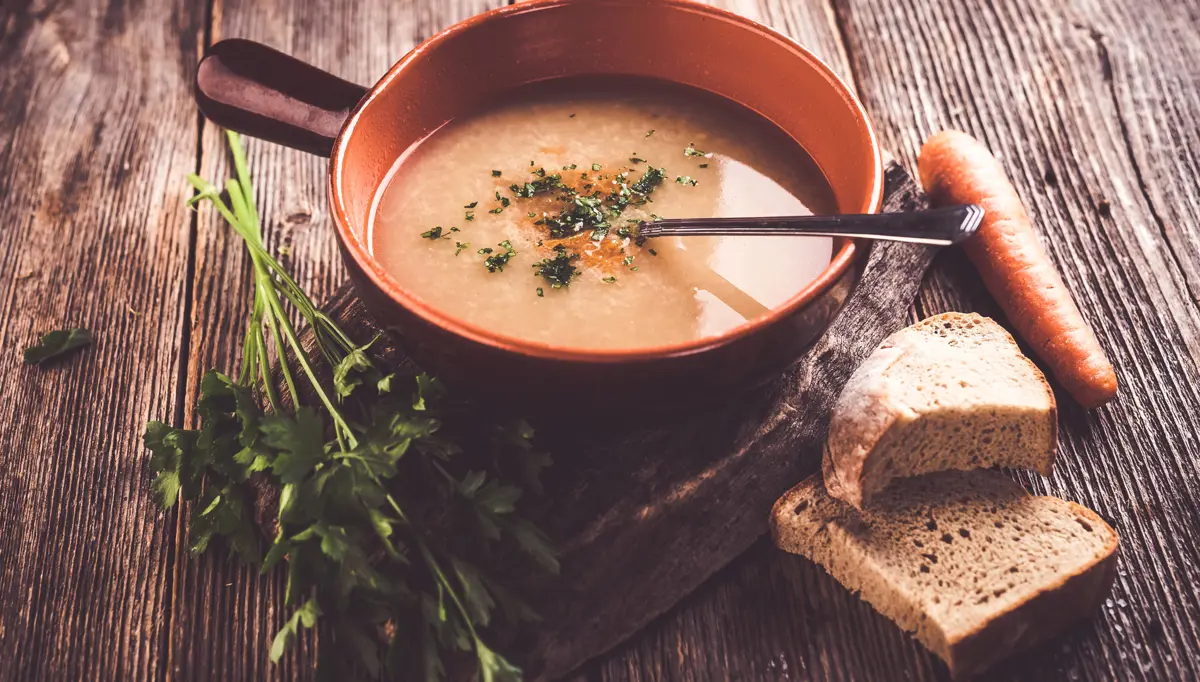
Prežganka, also known as prežgana župa, is a traditional Slovenian soup with a warm, comforting taste.
The soup is made by browning flour, which gives it a slightly nutty flavour.
It’s traditionally prepared using just a few basic ingredients, including flour, water and salt, and is well known as a soothing dish.
Some versions include a boiled egg, broken into the soup, and cumin seeds. These additions are often used to help settle an upset stomach.
Štefani Pečenka
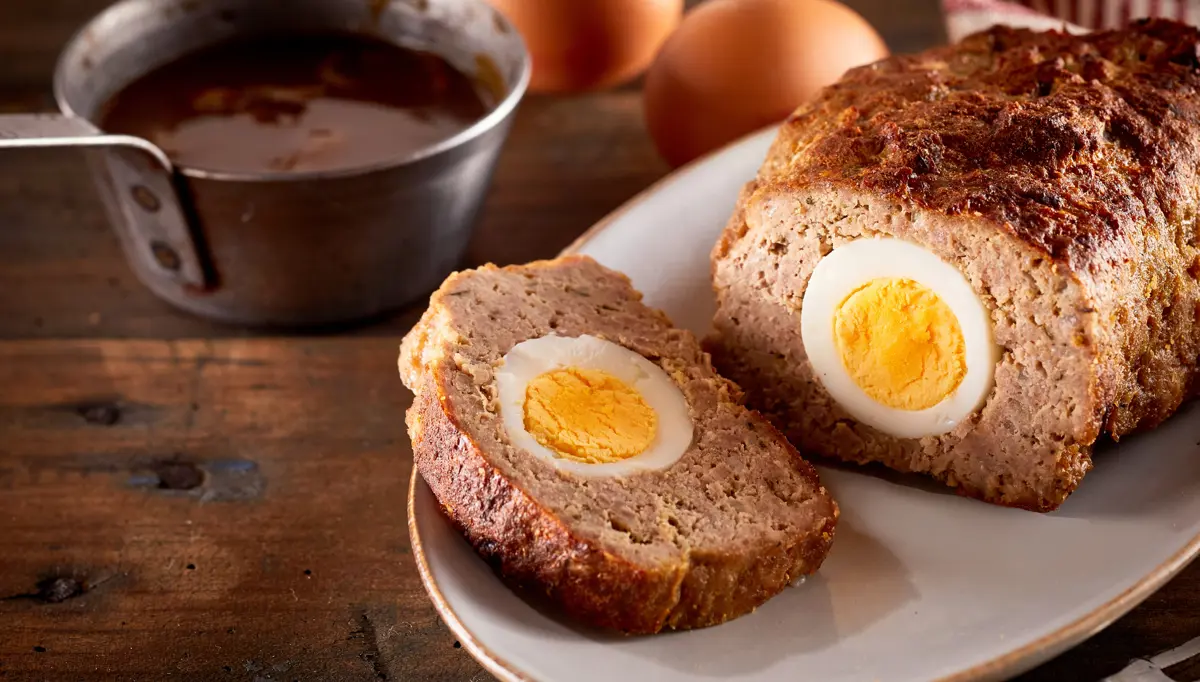
Štefani Pečenka is a traditional Slovenian meatloaf known for its savoury taste and eye-catching appearance, featuring hard-boiled eggs at its centre.
This dish is famous for its delicious flavor and is particularly popular during holiday celebrations like Easter, often gracing Slovenian family tables.
Kremna Rezina
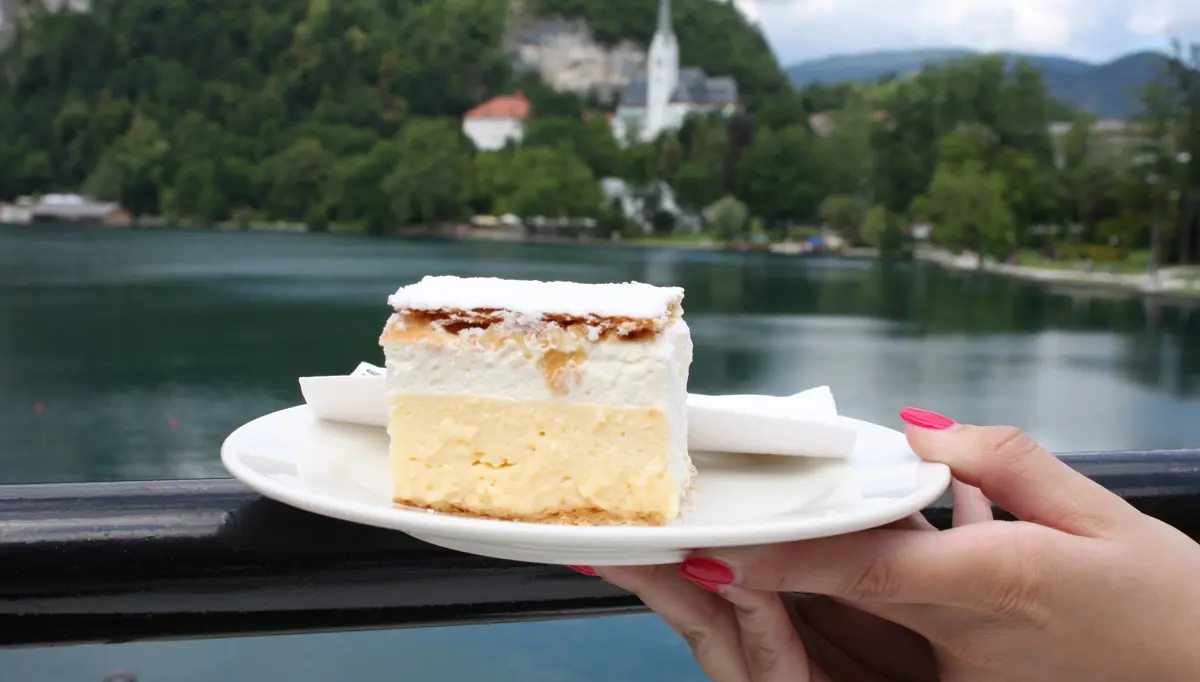
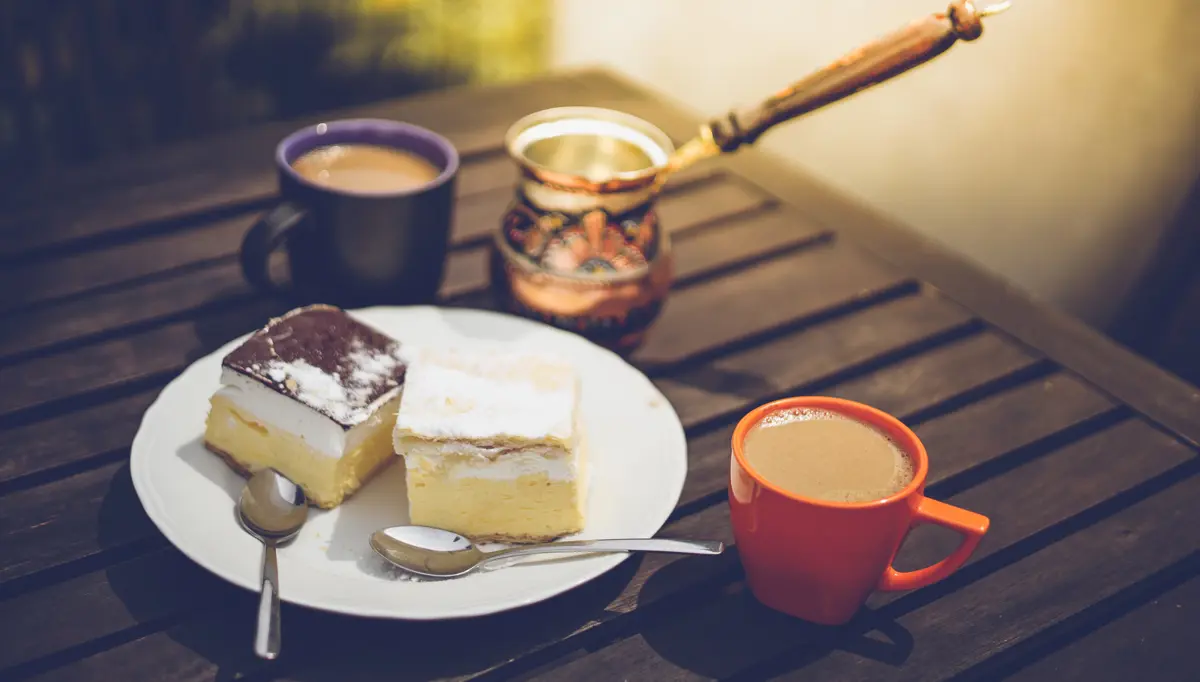
Kremna rezina, also known as Bled cream cake, is a well-known dessert from the Lake Bled region.
It’s made with a crisp pastry base, layers of vanilla custard and whipped cream, and a thin pastry top.
The cake is usually finished with a dusting of icing sugar and served in neat cube-shaped slices.
First created in 1953 by chef Ištvan Lukačević at Bled’s Park Hotel, the recipe was inspired by a Hungarian cream cake and became popular thanks to its light layers and balanced flavours.
Blejska Grmada
Blejska grmada is another traditional Slovenian dessert from the Bled region. It features a base made from eggs, sugar, flour, baking powder, and cocoa.
The dessert is topped with a sweet mixture of milk, eggs, sugar, flour, vanilla sugar, heavy cream, walnuts, chocolate, and fruit like berries.
Štruklji
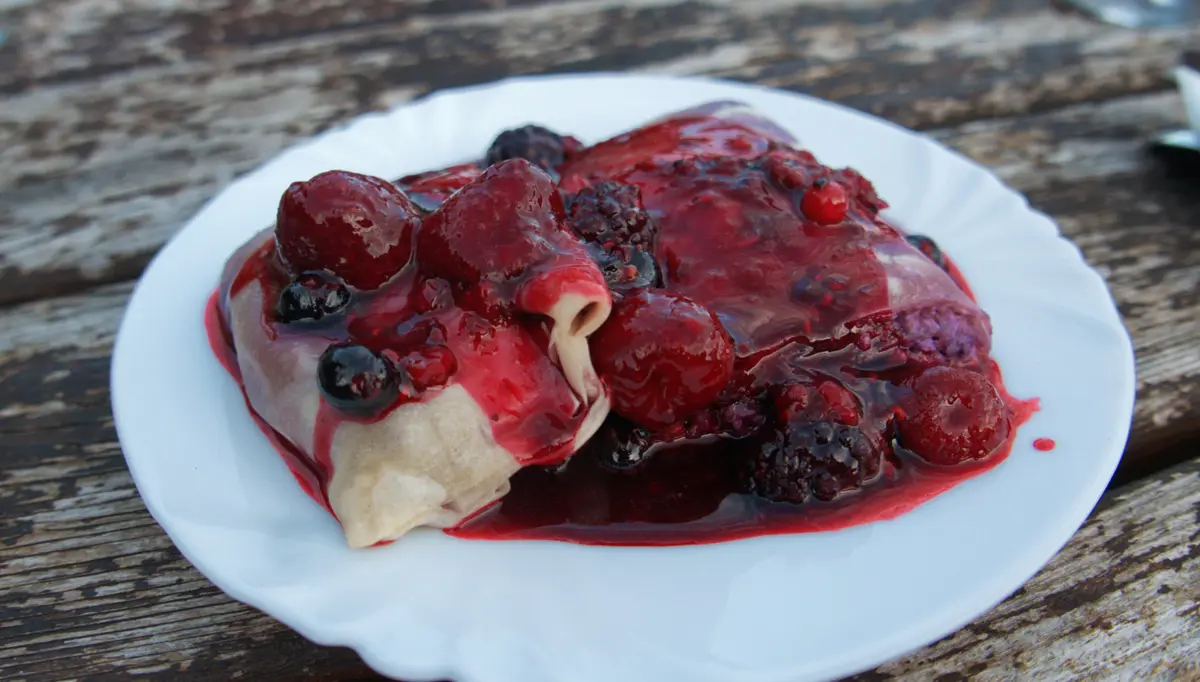
Štruklji is a standout dish in Slovenia, known for its versatility and presence across all Slovenian regions.
Traditionally a celebratory food, it's served during holidays and significant events, showcasing its importance in Slovenian culture.
The dish is hard to define as it adopts various forms throughout the country. Made with a special kind of bread dough that's thicker than what's used in baklava, or sometimes leavened or pasta dough, štruklji can be filled with either sweet or savoury ingredients.
This makes it adaptable for any meal - be it a main dish, a side, or a dessert. Common fillings include beloved Slovenian flavours like apples, cottage cheese, walnuts, and tarragon, offering a taste of Slovenia with every bite.
These treats are distinct from baklava as the pastry is cooked in boiling water instead of being baked.
Potica
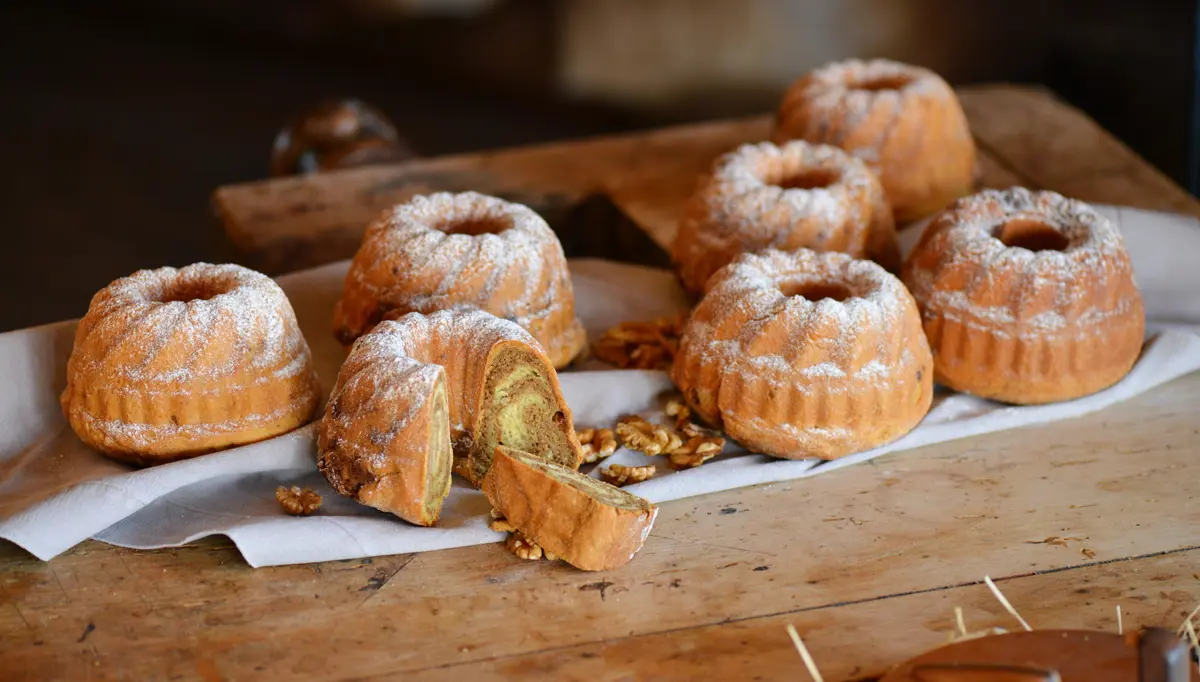
Potica is one of Slovenia’s most traditional cakes and is commonly baked at home for special occasions such as Christmas and Easter.
The recipe dates back to 1575 and was once enjoyed mainly by the upper classes before becoming popular across the country.
There are around 60 different types of potica, with fillings ranging from walnuts and honey to poppy seeds and even tarragon.
Tarragon potica has a light herbal flavour, while walnut potica is sweet and nutty, often with a touch of cinnamon.
Cracknels potica is a savoury version made with pork fat, which contrasts with the sweet dough.
Poppy seed potica is another popular choice, combining ground poppy seeds with sugar and sometimes honey for a rich, slightly crunchy filling.
Prekmurska Gibanica
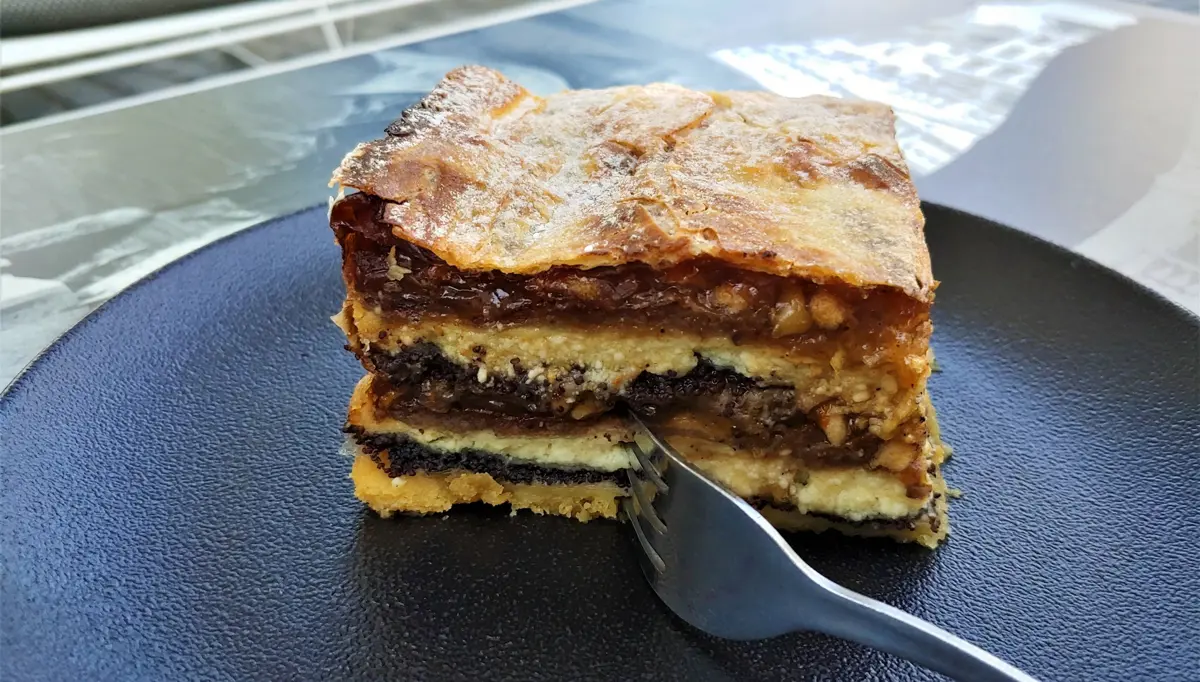
This special Slovenian layer cake has a protected status in the EU, meaning it must follow strict guidelines for its ingredients and structure, even specifying the cake's height.
It starts with a base of shortcrust dough topped by filo pastry. The fillings are precisely layered in order: poppy seeds, cottage cheese, walnuts, and apples.
To be considered authentic Prekmurska Gibanica, the cake must have eight filling layers, featuring two layers of each filling.
Krofi

Krofi are Slovenia's delicious contribution to the world of sweet fried dough, akin to the filled doughnuts found in Austrian, German, Portuguese, and Bosnian cuisines.
Made from a rich, leavened dough that's rolled out, cut into rounds, fried, and then filled, these treats offer a taste of Slovenia's take on a beloved classic.
Drink like a Slovenian
Slovenian Wine
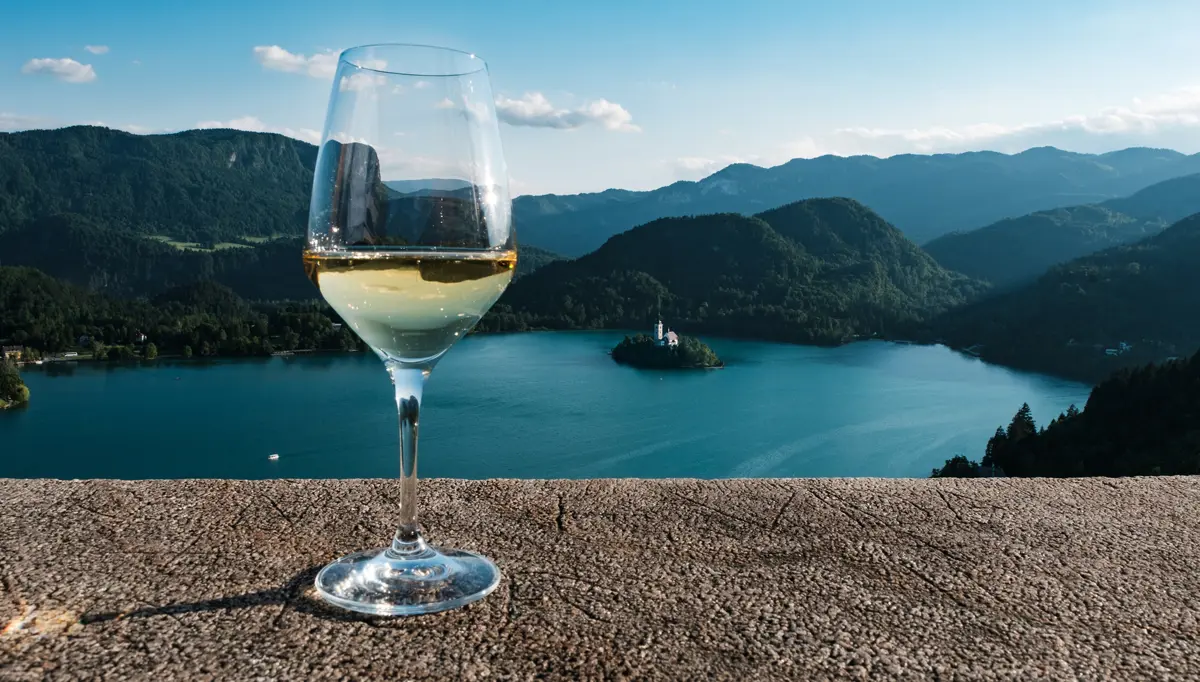
Slovenia has a strong wine tradition, with three main wine regions and nine wine-growing districts. Many Slovenian wines are produced in small quantities and aren’t widely exported, which makes tasting them locally part of the experience.
The country’s three wine regions each have their own character:
- Podravje is the largest wine region and is found in the northeast. It’s best known for elegant white wines, sparkling wines and high-quality dessert wines. Winemaking here dates back thousands of years, and the region produces some of Slovenia’s most respected labels.
- Posavje, in the southeast, is the smallest region and has a long tradition of local winemaking. It’s most famous for Cviček, a light red wine with low alcohol and a slightly sharp taste. This wine has been popular in the Dolenjska area for more than 200 years.
- Primorska, close to the Italian border, is the most developed wine region. It produces bold red wines, complex whites and is known for natural and orange wines. Italian influence can be seen in the region’s food, language and wine styles.Within Primorska, the Vipava Valley is becoming known for its fresh, aromatic wines, while the Karst region is home to Teran, a deep red wine with a distinctive earthy flavour and lively acidity.
With more than 50 grape varieties grown across nine districts, Slovenia offers a varied wine experience that’s best enjoyed where the wines are produced.
Raise a glass to Slovenia’s beer
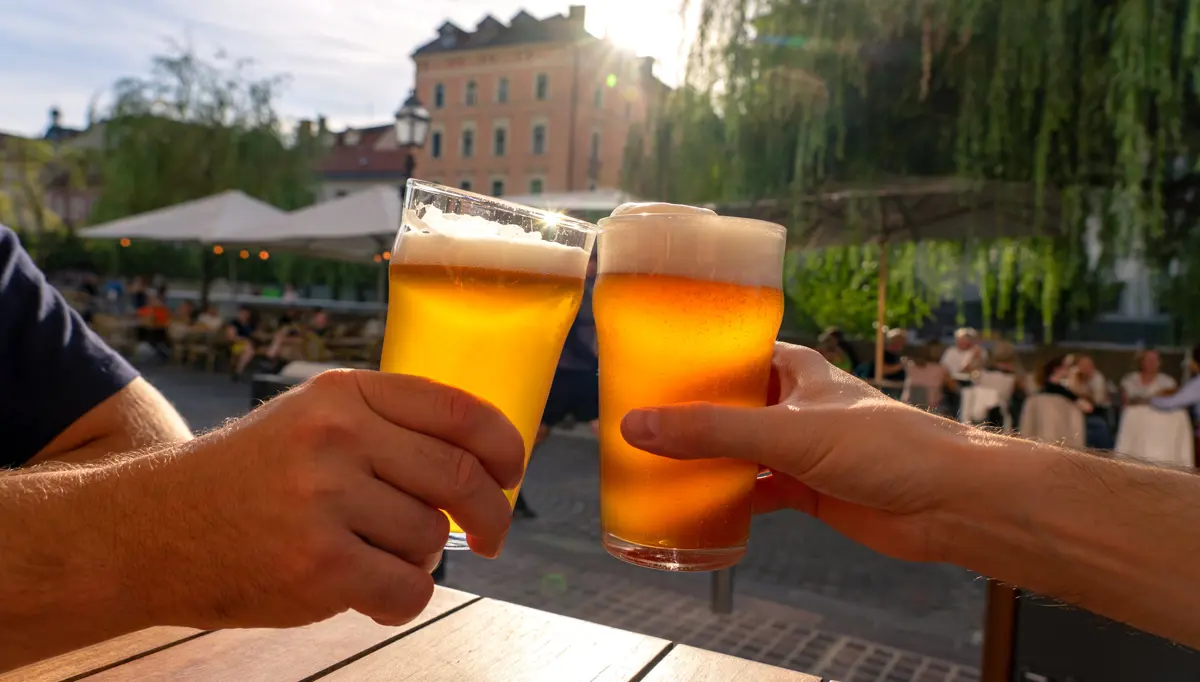
Slovenia has a strong beer culture, and this year marks a special milestone as Laško celebrates its 200th anniversary. Founded in 1825, Laško is one of the country’s two major breweries, alongside Union.
Now both part of the Heineken group, Laško and Union are well known for their easy-drinking lagers, including Laško Zlatorog and Union Original, which are widely available in bars and restaurants across Slovenia.
Alongside these well-known brands, Slovenia has also developed a growing craft beer scene. Thanks to long-standing hop-growing traditions in the east of the country and access to clean freshwater, small independent breweries have become increasingly popular. Many produce a wide range of styles, from IPAs and stouts to more experimental beers.
One example is Lintvern Brewery in Bohinj, which produces small-batch, unfiltered beers. Its beers can often be found on tap near Lake Bohinj and in selected restaurants in Bled.
Whether you prefer a classic lager or want to try a locally brewed craft beer, Slovenia offers plenty of choice for beer lovers.
Schnapps
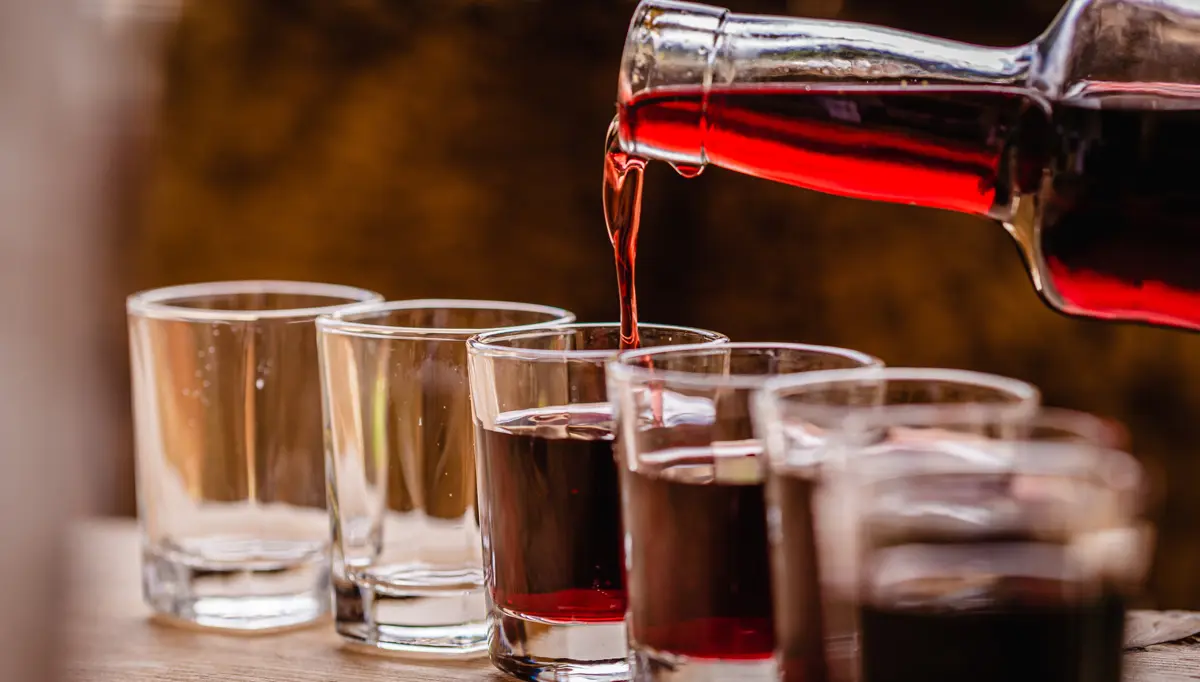
In Slovenia, beer and wine are popular, but schnapps, known locally as žganje, is often seen as the national drink. It’s served in many places, from mountain huts to city bars, and is commonly offered as a welcome drink or during celebrations.
Schnapps is traditionally homemade, with many families using recipes that have been passed down through generations. The flavour often reflects local ingredients and regional traditions.
Slovenian schnapps is usually found in two main styles:
- Stronger varieties are made from stone fruits such as pear, plum and peach. These have a more intense flavour and are typically enjoyed neat.
- Sweeter varieties include blueberry, fig and honey schnapps. Honey schnapps has become especially popular in recent years and is smoother and easier to drink, making it a good choice for first-time tasters.
Whether you prefer a stronger or sweeter style, trying local schnapps is part of the experience when visiting Slovenia.
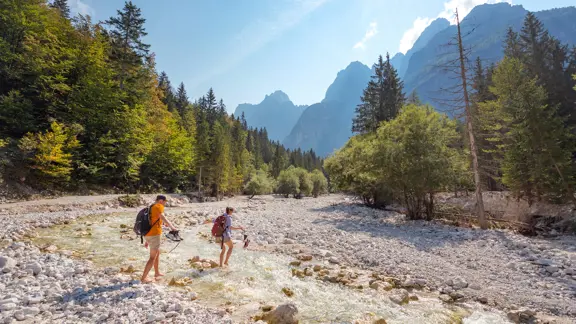
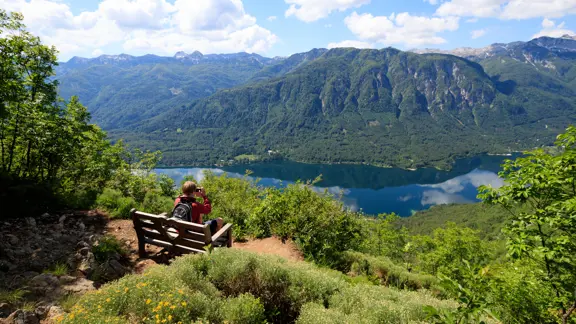
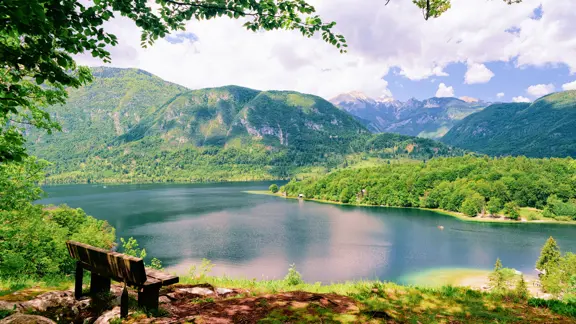
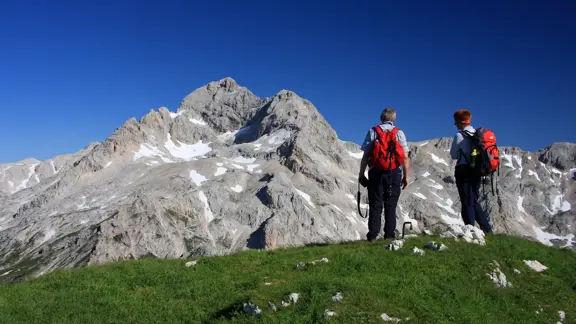
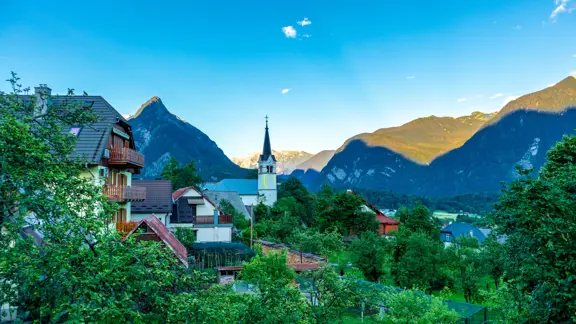
Slovenia Resorts With Guided Walks
These resorts offer up to two guided day walks each week, led by an experienced local guide, all included as part of your holiday.
-
Offers available
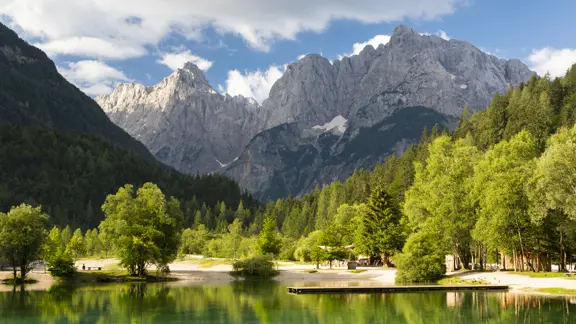
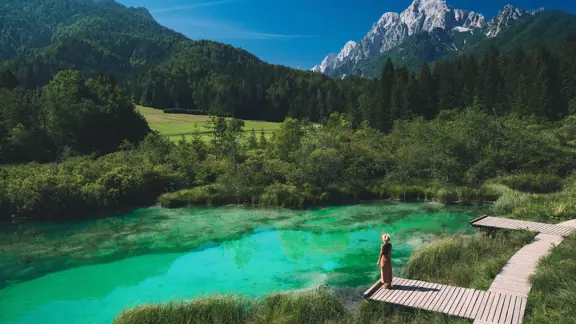
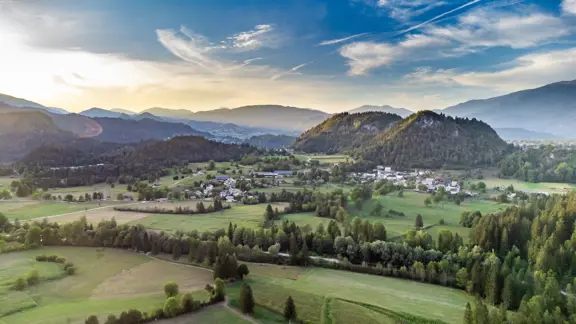
Kranjska Gora
Slovenia
Explore the views of Zelenci nature reserve Stroll along the river edge of Lake Jasna Visit the Martuljek WaterfallsActivities Walks for All Abilities Village Charm -
-
Offers available
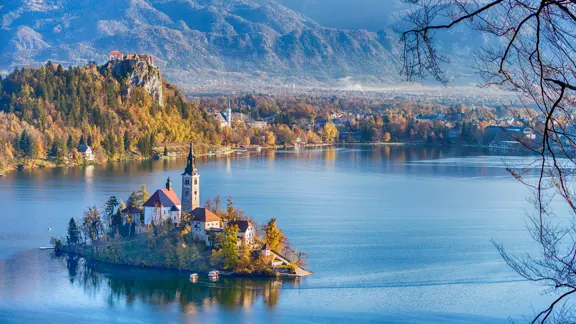
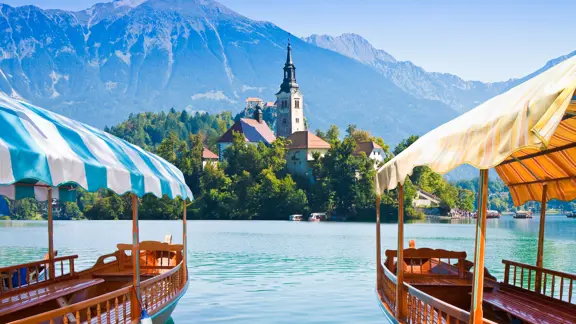
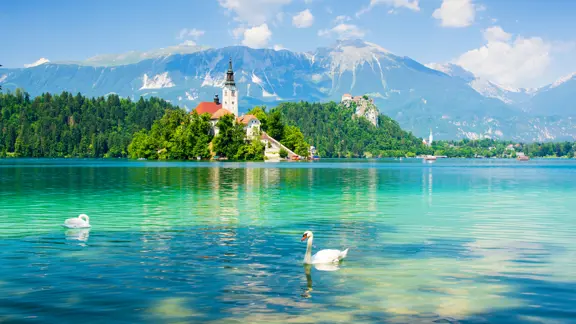
Lake Bled
Slovenia
Enjoy Bled castle views Natural wonders like the Vintgar Gorge Explore the Church of the AssumptionActivities Easy Walks Wow Factor -
-
Offers available
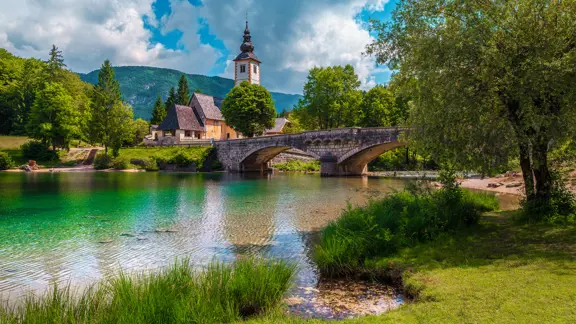
Lake Bohinj
Slovenia
Explore Savica waterfall trail Head up the Vogel cable car Trek the Mostnica gorge and walkwayWalks for All Abilities National Parks Wow Factor -
-
Bovec
Slovenia
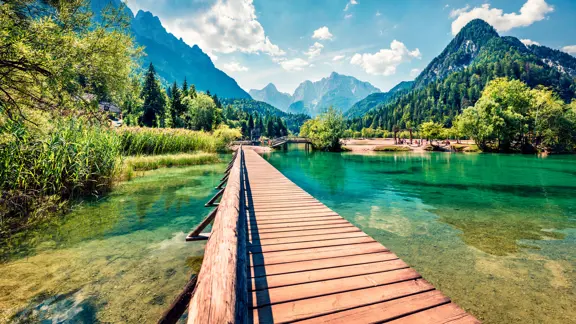
Views over the Julian Alps Pristine turquoise waters Virje waterfall & alpine greeneryActivities Walks for All Abilities Peace & Quiet -

Get inspired for your next walking holiday
Insider guidesFind more like this:
Sign up now to save £100 on your first Inghams summer holiday
Sign up now