A guide to Madeira wine
If Madeira had a signature sip, this would be it.
Madeira wine has been putting the island on the map for centuries.
Rich, complex, and unlike almost any other wine you'll try, it's become one of Madeira's most famous exports.
But what exactly is Madeira wine?
In this guide, we'll explore what makes it unique, how it's made, the fascinating story behind its creation, and where to try it for yourself on the island.
Madeira
From 594pp
Base on 3 night, 2 adults, from London Gatwick + 0 more on 14th Dec 2026
Prices shown are inclusive of local tax payable in resort
What is Madeira wine?
Madeira wine is a fortified wine made exclusively on the island of Madeira.
Fortified with grape spirit and aged using a unique heating process, it's known for its bright acidity, complex flavours, and impressive longevity.
Styles range from dry and crisp to rich and sweet, with flavours that can include toasted nuts, dried fruit, caramel, citrus, honey, and spice.
It's one of the world's most distinctive wines. And one of Madeira's most famous exports.
Why is Madeira wine so special?
What sets Madeira wine apart is the way it's made.
While most wines are protected from heat, Madeira wine embraces it. The heating and ageing process helps create the distinctive flavours it's known for and gives it remarkable staying power.
The result is a wine that's both rich and refreshing. One that works just as well before dinner as it does with a meal or after dessert.
And while many wines are best enjoyed within a few days of opening, Madeira wine can stay fresh for weeks, sometimes even months.
Not bad for a wine that owes its success to a happy accident.
It’s one of the reasons Madeira wine is so special.
Is Madeira wine red or white?
Mostly white.
The classic styles of Madeira wine are made from white grapes, including Sercial, Verdelho, Bual and Malvasia. Each grape brings something different to the glass, from crisp citrus notes to rich flavours of honey and dried fruit.
There's also Tinta Negra, a red grape that's used to make everything from dry to sweet Madeira wines.
As for colour? That's where things get interesting.
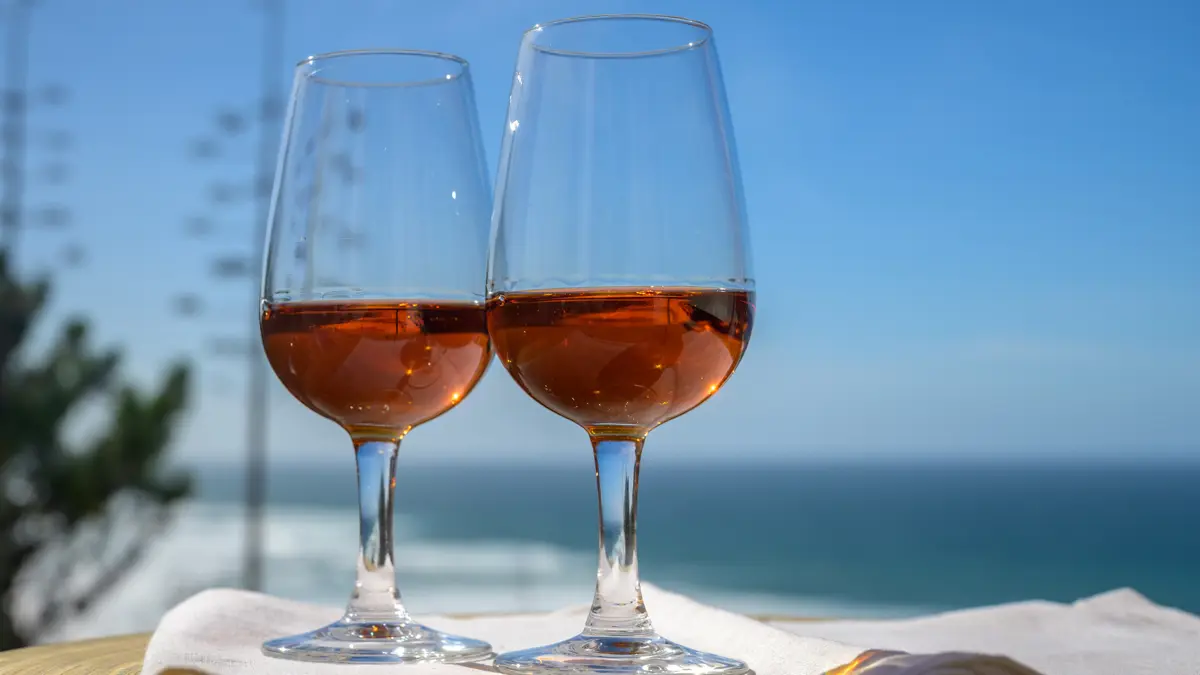
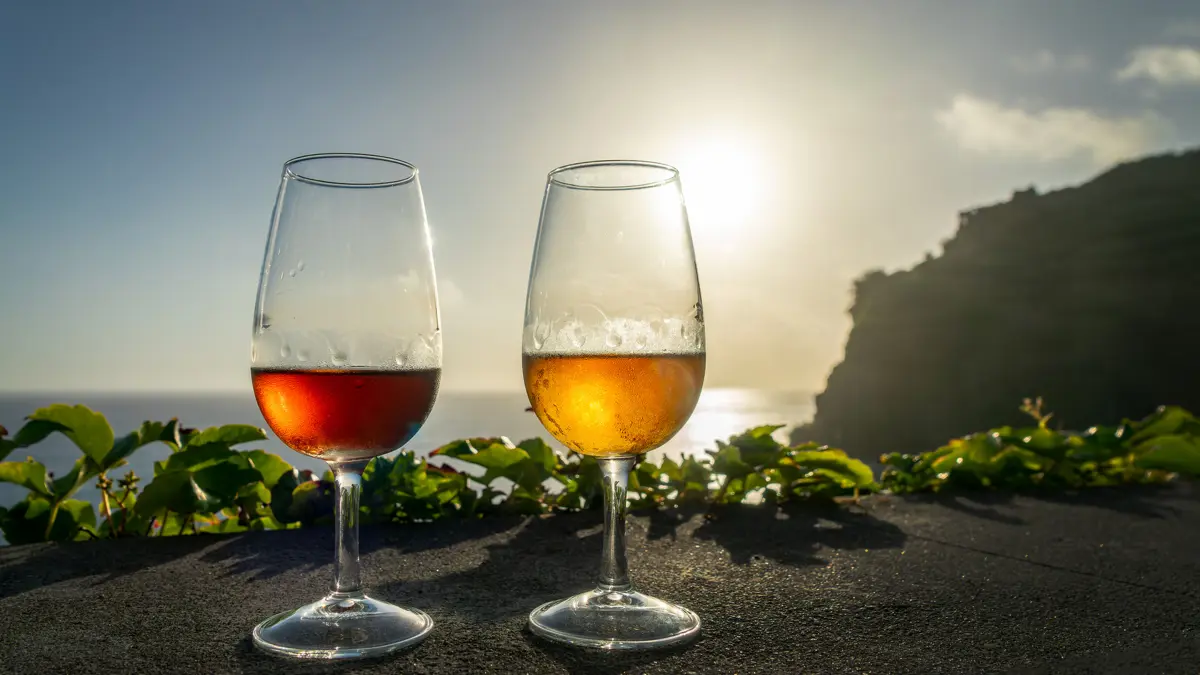
A younger Madeira wine might be pale gold. Give it time and those colours deepen into amber, copper and even mahogany.
So while the grapes may start out white, the wine rarely stays that way.
Top Madeira stays
-
Offers available

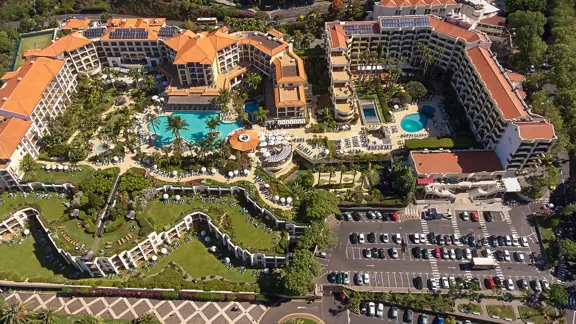
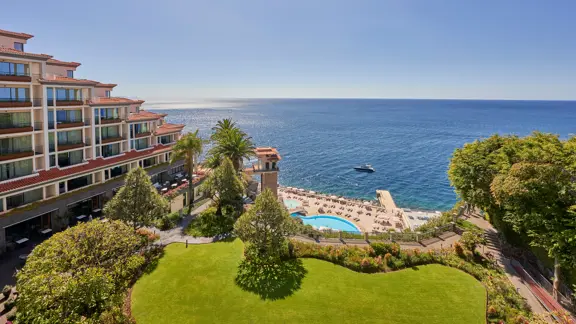
Quinta Splendida
Canico, Madeira
Extensive botanical gardens Picturesque outdoor pool Lovingly-restored historic mansionOutdoor Pool Spa Facilities Sauna/Steam Room- Bed & Breakfast
- London Gatwick
- Manchester Int.
-
Offers available
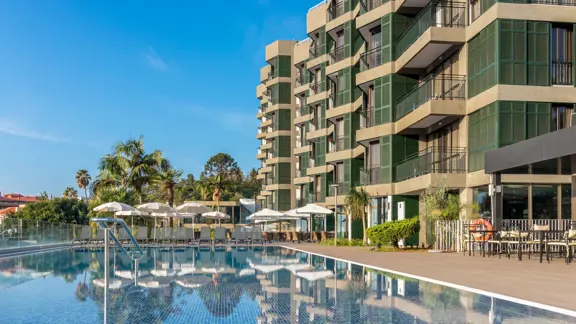
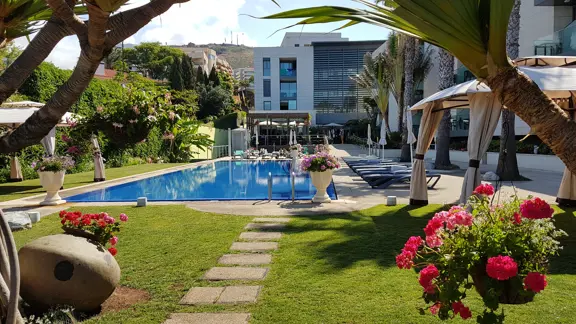
The Views Baia
Funchal, Madeira
Adult-only hotel Modern design and facilities Comfortable accommodationOutdoor Pool Indoor Pool- Bed & Breakfast
- London Gatwick
-
Offers available
Suite Hotel Eden Mar
Funchal, Madeira
Beautiful location and gardens Extensive facilities Comfortable suitesChildren's Play Area- Bed & Breakfast
- London Gatwick
-
Offers available
- Bed & Breakfast
- London Gatwick
-
- Bed & Breakfast
- London Gatwick
-
- Bed & Breakfast
- London Gatwick
-
Offers available
- Bed & Breakfast
- London Gatwick
-
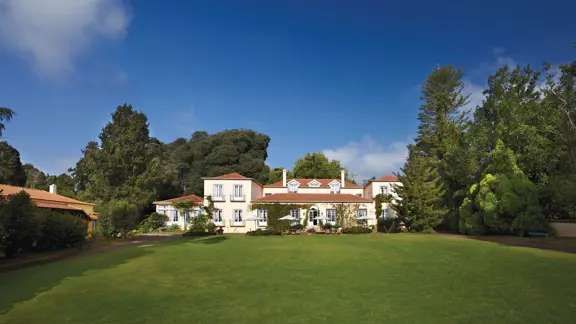
Casa Velha do Palheiro
Funchal, Madeira
Historic charm Extensive facilities Delicious diningOutdoor Pool Spa Facilities- Bed & Breakfast
- London Gatwick
-
Offers available

- Bed & Breakfast
- London Gatwick
-
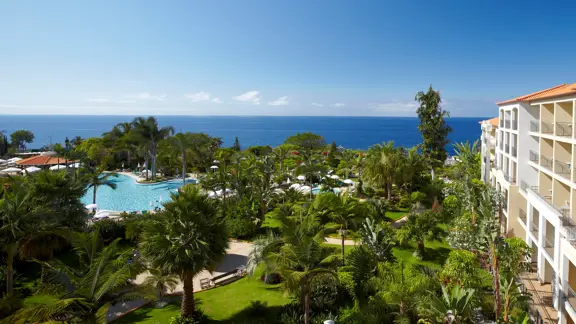
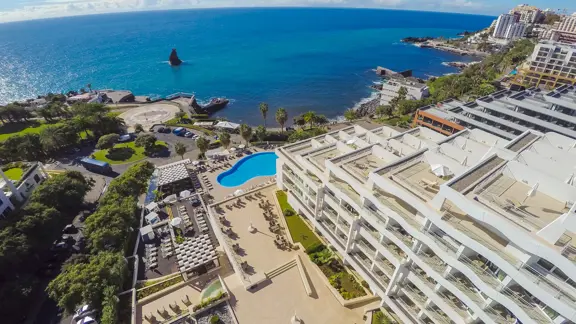
Melia Madeira Mare Resort & Spa
Funchal, Madeira
Ocean views Large outdoor pool Spa and wellness area- Bed & Breakfast
- Birmingham Int.
- London Gatwick
-
Vila Gale Santa Cruz
Canico, Madeira
Outdoor swimming pool Relaxation and activities All-inclusive dining- Bed & Breakfast
- London Gatwick
- Birmingham Int.
-
Please call us to book this property.



How Madeira wine is made
Most wines spend their lives avoiding heat.
Madeira wine leans into it.
The process starts with grapes, fermentation and a splash of grape spirit, which increases the alcohol content and helps preserve the wine.
Then comes the part that makes Madeira, Madeira.
The wine is gently heated and aged, a technique that helps create its signature flavours and remarkable longevity.
There are two main ways of doing it:
Canteiro method: The traditional approach. Wine ages slowly in wooden barrels, often for years, using the island's natural warmth to build layer upon layer of flavour.
Estufa method: A faster method that gently warms the wine in temperature-controlled tanks. The result is still unmistakably Madeira, with the caramel, nutty notes the wine is famous for. You'll also spot age statements on many bottles. Three, five, ten or fifteen years. These indicate the age of the youngest wine in the blend.
For something truly special, look out for Colheita or Frasqueira wines. They're aged for much longer and are often considered some of Madeira's finest bottles.
What does Madeira wine taste like?
Madeira wine comes in a surprising range of styles. Some are bright and citrusy. Others are rich enough to feel like dessert in a glass.
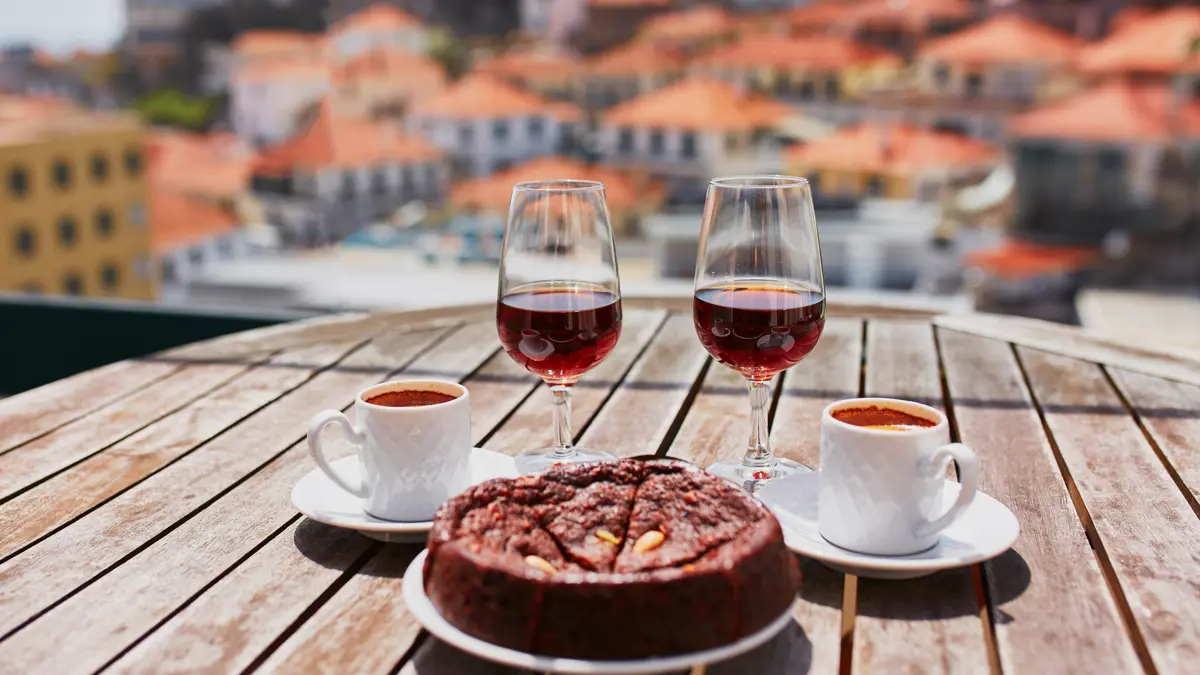
You might spot toasted nuts, caramel, dried fruit, honey, spice or even hints of coffee and chocolate.
Even the sweeter styles stay remarkably fresh. Madeira's signature acidity keeps everything balanced, so things never tip into sickly territory.
Which is handy.
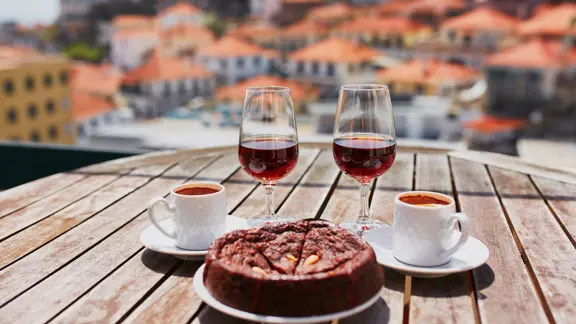
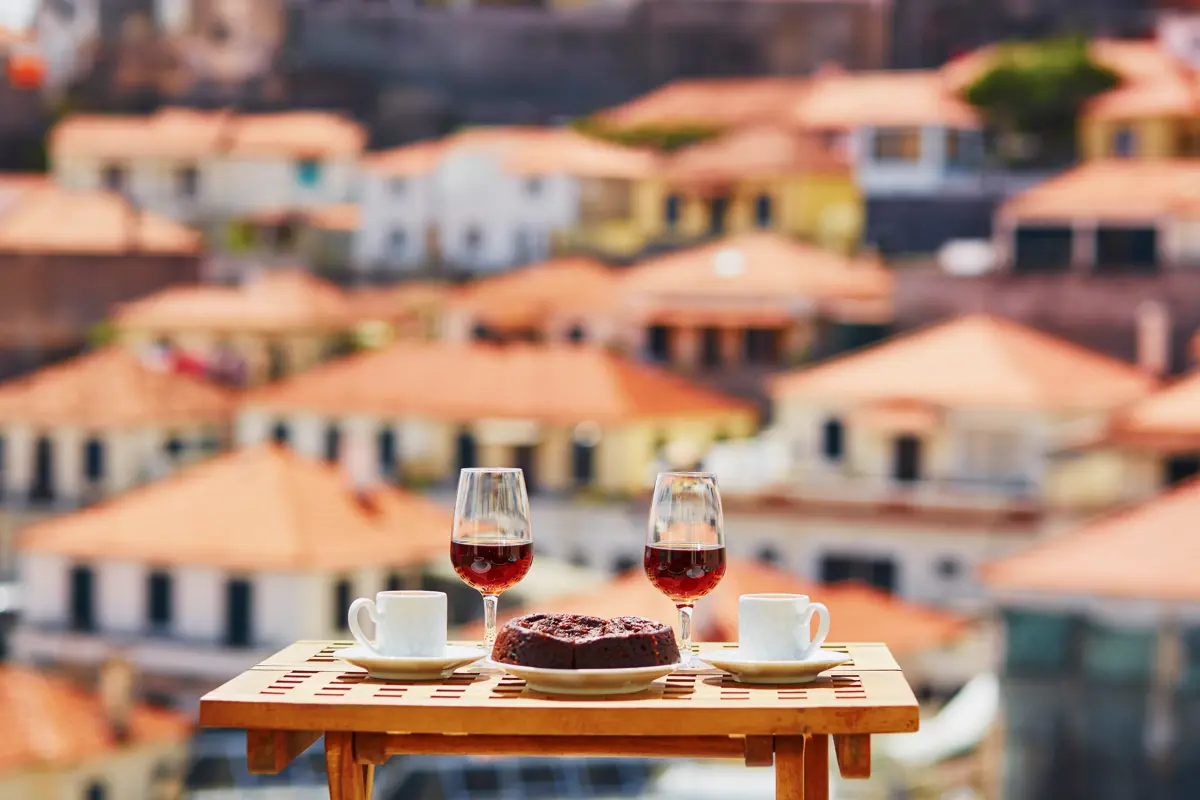
Because one glass has a habit of becoming two when you're sitting on a sun-soaked terrace in Funchal.
Grape varieties and sweetness
Not all Madeira wines taste the same. In fact, the grape variety can tell you a lot about what's waiting in the glass.
Sercial. The driest style of Madeira. Think citrus, toasted nuts and plenty of freshness. Perfect as an aperitif before dinner.
Verdelho. A little softer and slightly sweeter. Expect notes of honey, spice and ripe citrus. Bual (Boal) Rich, smooth and full of character. Look out for flavours of caramel, raisins and baked fruit.
Malvasia (Malmsey). The sweetest of the classic styles. Think chocolate, coffee, figs and indulgent dessert-like flavours.
Tinta Negra. Madeira's most widely planted grape. It's incredibly versatile and can be used to make everything from dry to sweet wines.
Terrantez and Bastardo. Rarer grapes that you'll occasionally spot in specialist bottles and limited releases.
What Is the Alcohol Percentage of Madeira Wine?
A little stronger than your average glass of wine.
Most Madeira wines sit somewhere between 17.5% and 22% ABV, thanks to the addition of grape spirit during production.
The exact strength depends on the style, but the difference isn't something you'll usually notice in the taste.
What you will notice is how easy it is to savour. Madeira wine is typically served in smaller pours, making it ideal for lingering over while watching the sunset, enjoying a leisurely meal, or simply soaking up island life.
What food goes with Madeira wine?
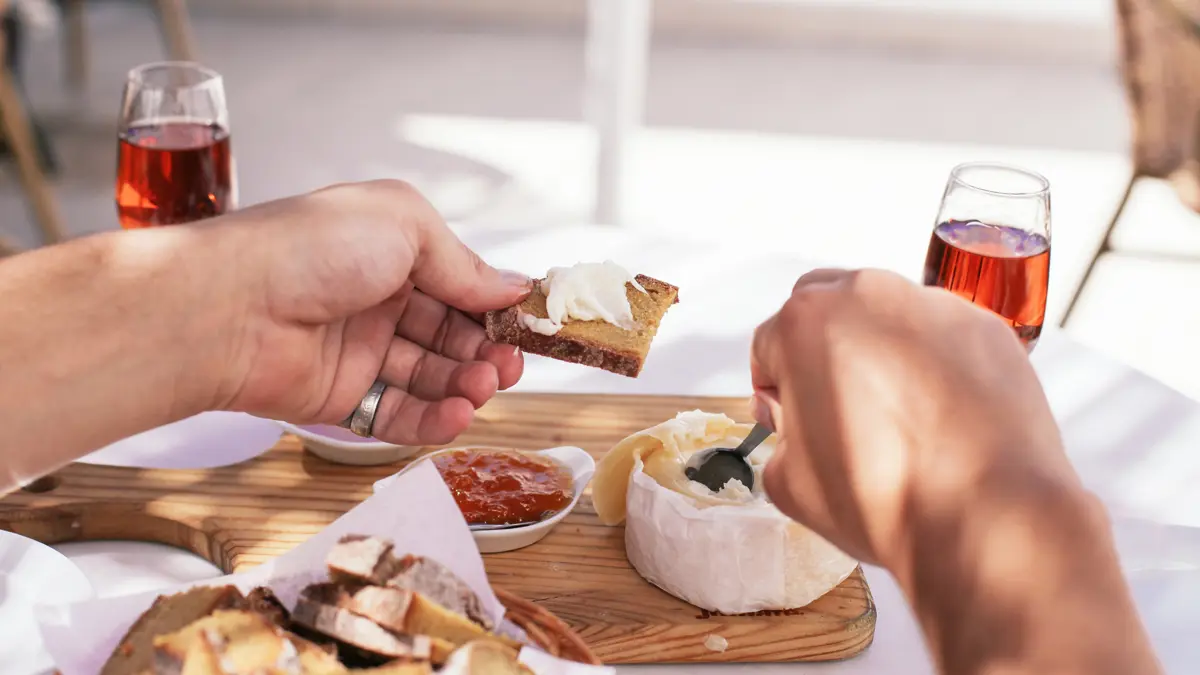
Quite a lot. One of the reasons Madeira wine has stuck around for centuries is that it's surprisingly easy to pair with food. Whether you're nibbling on a few olives before dinner or eyeing up the dessert menu, there's usually a Madeira style that fits the bill.
Sercial (Dry)
Bright, crisp and full of citrusy freshness.
Try it with salted almonds, green olives, smoked salmon, oysters, sushi or fresh cheeses.
Think: the sort of snacks that mysteriously disappear while you're deciding what to order.
Verdelho (Medium-dry)
A little rounder, with gentle honeyed notes and plenty of character.
Pairs beautifully with cured meats, pâté, roasted vegetables and lightly spiced dishes.
A good all-rounder if everyone at the table wants something different.
Bual (Boal) (Medium-rich)
Smooth, warming and packed with caramel and dried fruit flavours.
Try it with hard cheeses, roasted nuts, fruit cake or pastries.
If you're the kind of person who always says you'll "just have a small cheese board", this one's for you.
Malvasia (Malmsey) (Rich and sweet)
Rich, velvety and wonderfully indulgent.
Pair it with chocolate desserts, tiramisu, sticky toffee pudding or anything involving coffee and cream.
Dessert lovers, you've found your match.
Madeira wine by course
Still not sure where to start?
Here's a simple cheat sheet:
Before dinner: Sercial with olives or salted almonds.
Starter: Verdelho with cured meats or roasted vegetables.
Cheese course: Bual with hard cheeses and roasted nuts.
Dessert: Malvasia with chocolate or coffee-based desserts.
Or do what many visitors to Madeira do and try them all. It's the only way to conduct proper research.
Get a taste of Madeira
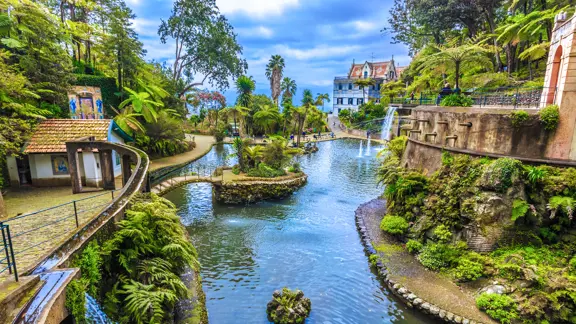
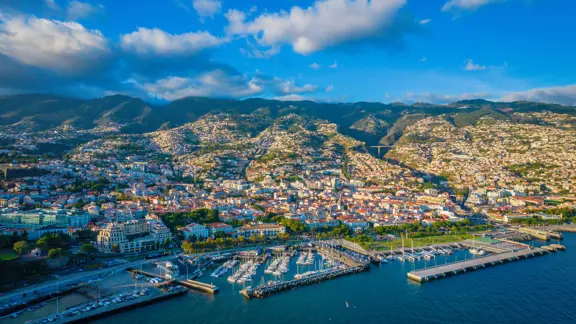
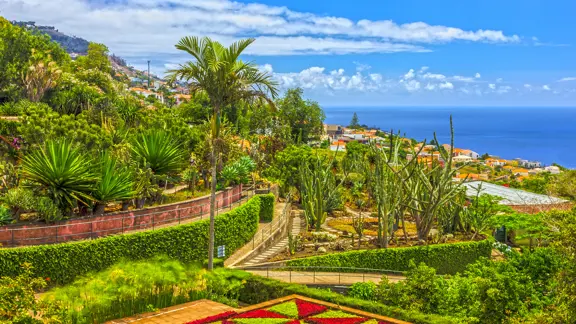
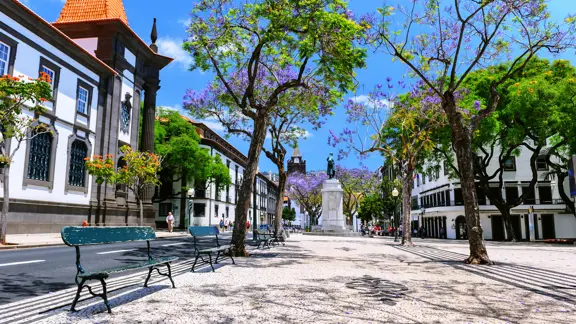
Madeira wine is even better when paired with island views, local flavours and a day exploring Funchal. Here's what you could experience on an Inghams Walking holiday to Madeira.

The history of Madeira wine
Every great wine has a story.
Madeira's just happens to involve ships, sea voyages and a happy accident.
In the 15th century, Madeira became an important stop for ships crossing the Atlantic. To help the wine survive long journeys, grape spirit was added to each barrel. Then something unexpected happened.
The heat of the ship's hold transformed the wine. Instead of spoiling, it became richer, more complex and remarkably long-lasting.
People liked it.
A lot.
By the 18th century, winemakers were recreating the process on land. The traditional Canteiro method used the island's natural warmth to age barrels slowly over many years. Later came the Estufa method, which gently heated the wine in tanks to achieve similar results.
Before long, Madeira wine had built quite a reputation.
It was served at the signing of the United States Declaration of Independence, enjoyed by figures such as George Washington, Thomas Jefferson and Winston Churchill, and remains one of the island's most celebrated exports today.
Not bad for a wine that got better by accident.

Get inspired for your next walking holiday
Insider guidesFind more like this:
Sign up now to save £100 on your first Inghams summer holiday
Sign up now