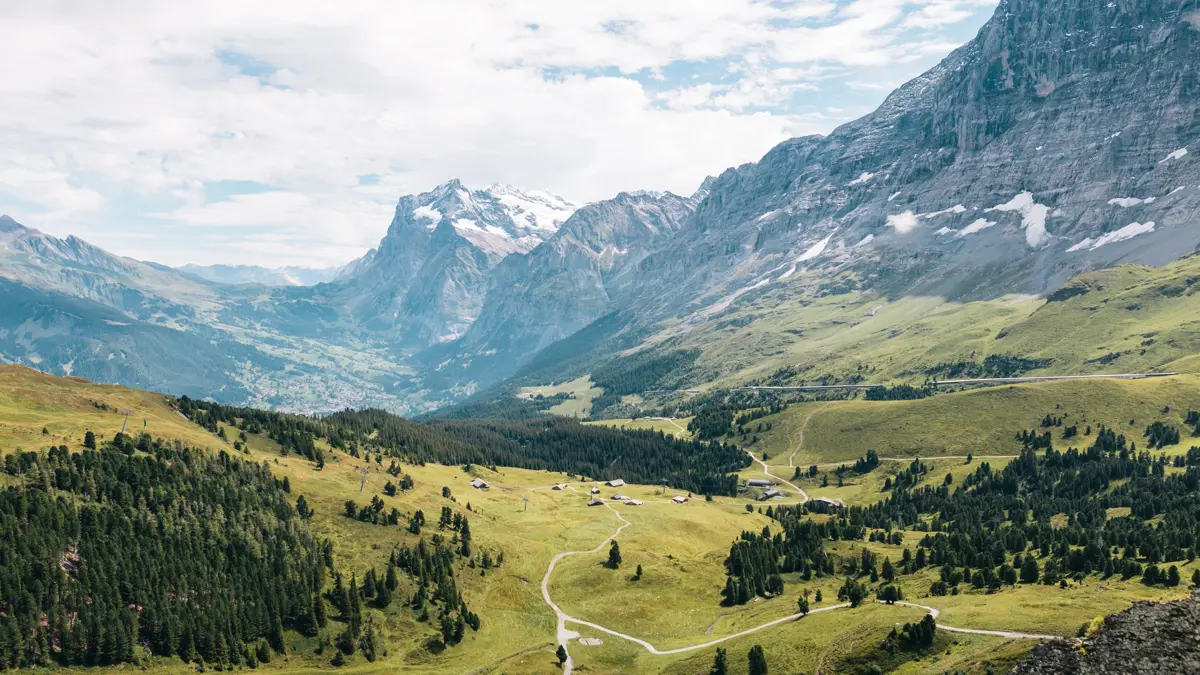
Europe’s best destinations for an “analogue” holiday
Every year, old trends fade, and new ones take their place - and 2026 is no different. According to the internet, this year is the ‘year of analogue’, with people searching for new ways to reduce their screen time and become less dependent on their devices.
Even on holiday, a time meant for relaxation and an escape from the usual day-to-day, many of us still find ourselves glued to our phones. From checking emails to aimlessly “doomscrolling” through social media, it can be difficult to fully switch off at times.
But with the rise of the “analogue” trend, the team here at Inghams Walking wants to encourage travellers to step away from their screens and reconnect with their surroundings, focusing instead on experiences and meaningful moments while away.
With this in mind, we analysed travel destinations across Europe to create a definitive ranking of the places where travellers are most likely to enjoy a screen-free adventure, and truly embrace an analogue break.
What is “analogue”? And why is it trending?
The “analogue” trend is on the rise, and has, ironically, taken social media by storm.
In simple terms, it reflects the desire to take a break from being constantly connected through our devices. After years of almost everything moving online, there’s a growing appetite for things that feel more physical again.
In fact, we’ve already seen a surge in online searches for ‘analogue travel’, with a +1100%* increase in the past year - proving that travellers are searching for relaxing, screen-free holidays.
But analogue isn’t about leaving technology behind completely; it’s about creating more space away from it. As a result, film cameras, printed photos, and handwritten journals are making a comeback, with people swapping smartphones for digital cameras and note apps for notepads and pens.
It’s a shift that’s also beginning to shape the way people travel. At its core, analogue travel is about being present, which is why walking holidays fit so naturally into the trend. They encourage travellers to switch off, slow down, and immerse themselves in their surroundings. No notifications or filters. Just fresh air, beautiful landscapes, and distraction-free headspace.
How did we determine the best analogue travel destinations?
It’s not just about nature and scenery. True analogue destinations also offer rich cultural depth - from museums, landmarks, workshops, and day trips - creating travel experiences that prioritise human connection and mindfulness over screen time.
To create our ranking of the best analogue-friendly destinations to visit in Europe, we analysed thousands of data points from each country, taking into account:
- The number of screen-free activities available, such as day trips and cultural tours
- The number of national parks
- Museums
- Sites and landmarks
- Population density
- Internet usage frequency
- And high-speed broadband coverage (the lower, the better, in this instance)
Each country was then scored per capita (per 100,000 residents) to ensure there was a fair comparison between large and small destinations. They were then given an overall ‘Analogue Score’ out of 100, allowing us to create a definitive ranking of Europe’s top analogue destinations.
Explore the top 15 analogue travel destinations
| Rank | Country | "Analogue" Score (/100) |
| 1 | Italy | 83.5 |
| 2 | Greece | 75.2 |
| 3 | Croatia | 74.7 |
| 4 | Austria | 66.7 |
| 5 | Montenegro | 61.8 |
| 6 | Spain | 58.6 |
| 7 | Latvia | 58.3 |
| 8 | Portugal | 57.8 |
| 9 | France | 57.7 |
| 10 | Finland | 57.5 |
| 11 | Germany | 57.0 |
| 12 | Scotland | 56.9 |
| 13 | Slovenia | 55.5 |
| 14 | Bosnia and Herzegovina | 54.9 |
| 15 | Estonia | 53.0 |
Italy
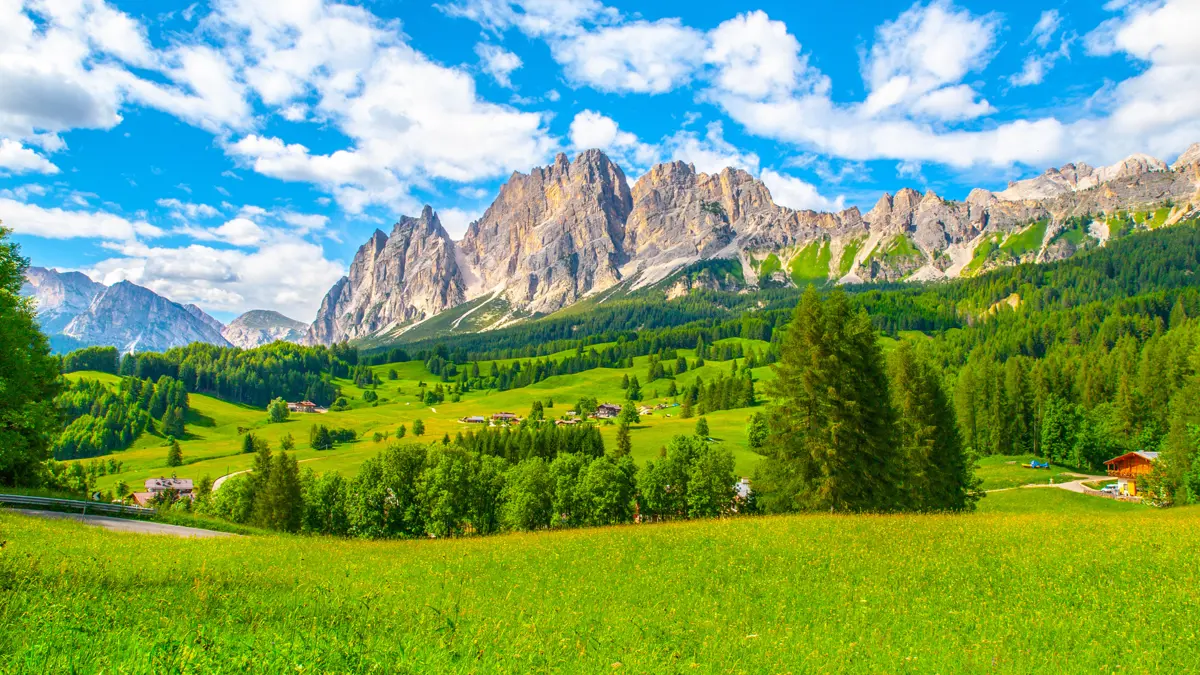
Our findings show that Italy is the best country to visit for an analogue escape in 2026, with a total score of 83.5/100.
Analogue travellers certainly won't be twiddling their thumbs here. With over 10,000 sites and landmarks to explore, as well as 722 museums, Italy’s rich cultural heritage offers the perfect backdrop for a mindful escape.
With more than 13,000 cultural tours and 8,762 screen-free activities available, Italy fully reflects the essence of analogue travel, allowing travellers to be present, explore the outdoors, and connect with local culture. Italy is no stranger to adventure tourism, and with 25 national parks, there’s no shortage of things to do for those wanting to switch off and embrace nature.
From historical walks through city streets to sketching landscapes without digital distractions on the banks of Lake Garda - widely considered one of the best lakes in Europe - there are endless ways to experience analogue travel here.
For those seeking a bit more adventure, Italy is also home to the Dolomites, a UNESCO World Heritage mountain range in the north-east of the country. Here, analogue travellers can experience everything from skiing, hiking, walking, cycling, and even paragliding during the warmer months.
Greece
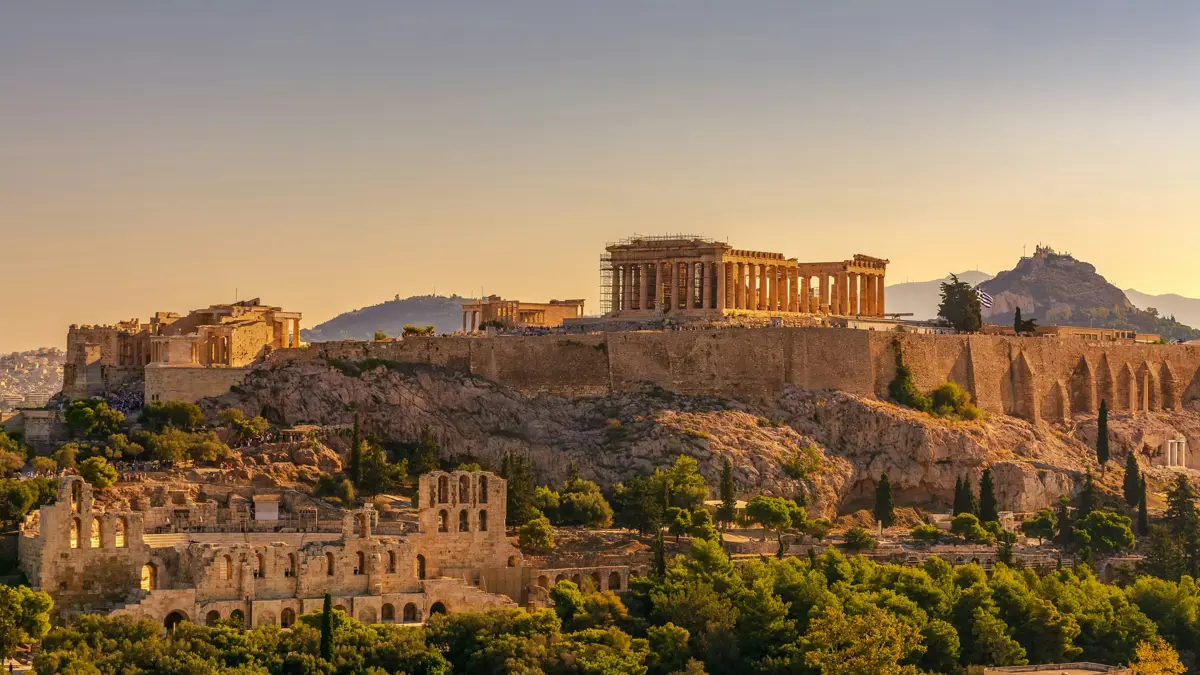
In second place was Greece, achieving a total Analogue Score of 75.2/100. With over 900 sites and landmarks and 75 museums, Greece offers a rich blend of culture, ancient history, and nature, making it easy to disconnect from devices.
In fact, Greece recorded the lowest high-speed broadband coverage among the top 15 destinations, making it ideal for travellers seeking a true screen-free holiday, with time to write hand-written postcards rather than text messages.
Our research also found that Greece offers more than 3,550 screen-free activities for travellers to enjoy. From pottery and marble workshops in Athens to the Samaria Gorge in Crete, and even island-hopping across the Cyclades, analogue experiences in Greece are deeply rooted in tradition, making it the perfect place for a culture-focused digital detox.
What’s more, Ainos National Park in Cephalonia achieved 3rd place in our rankings of the best places for stargazing. With dark skies and its position as the island’s highest mountain, this national park offers travellers the chance to switch off completely and simply watch the stars.
Croatia
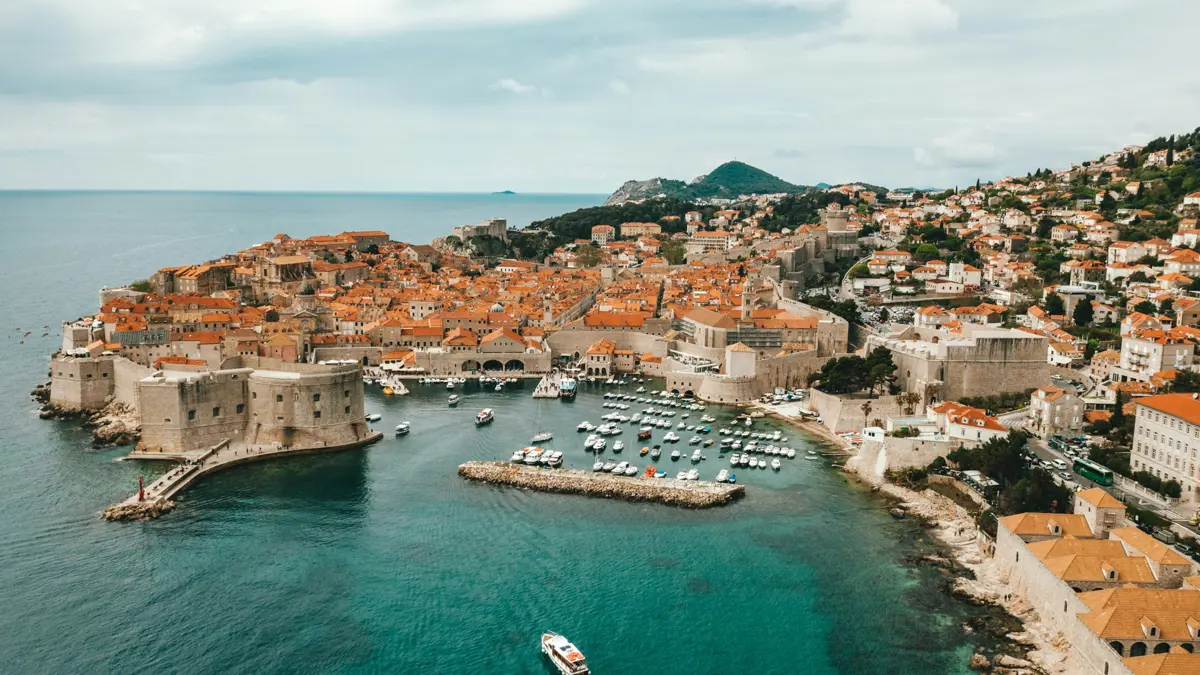
Croatia rounds out our top three analogue escape destinations, with an overall score of 74.7/100, offering a blend of natural beauty and historic landmarks that encourage slower, screen-free travel.
Home to eight national parks and 425 historic sites, the country provides plenty of opportunities to explore the outdoors and its cultural heritage.
Beyond its medieval towns and UNESCO-listed cities, Croatia’s Adriatic coastline is perfect for switched-off, slow travel. From sailing trips and coastal walking routes to evenings spent in family-run restaurants, visitors can easily immerse themselves in local culture and scenery without digital distractions.
With approximately 1,399 screen-free activities, the fun doesn't stop at real-world events. Those on the search for some non-fiction history can also explore the world of Game of Thrones, the hit show based on the book series created by George R.R Martin, and explore iconic filming locations like the Red Keep (Lovrijenac Fortress) and Qarth (Lokrum Island) with their own eyes.
Austria
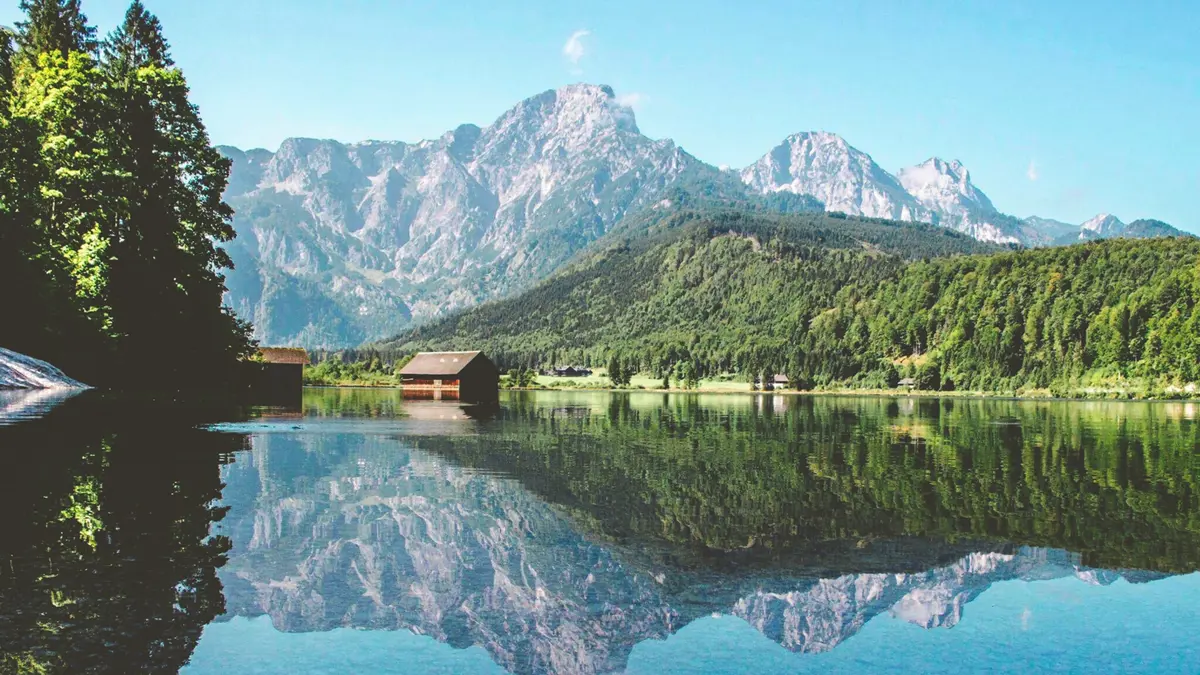
Austria ranks next in fourth place, with a total score of 66.7/100. Walking holidays in Austria are a popular choice, offering over 24,000 km of walking trails with easily accessible routes, leading travellers through flower-filled meadows and traditional Tyrolean villages - a truly immersive way to experience the local way of life.
For those seeking more history and culture, the country is home to 631 museums, alongside 587 day trips, and 1,084 cultural tours. Popular highlights include the likes of "The Original Sound of Music Tour" in Salzburg and guided tours of Schönbrunn Palace, which is also home to the world’s oldest zoo, built in 1752.
One of the top walking destinations in Austria is Seefeld, located on Tyrol’s high plateau. But travellers can also explore Stilluptal Valley in Mayrhofen, which is one of our favourite places for a wellness walk. This valley is one of the most peaceful analogue locations within the Zillertal Alps and features 25 waterfalls along a 17km stretch, making it an ideal destination for those looking to disconnect and embrace the slower rhythm of analogue travel.
On average, Austria offers a total of 836 screen-free activities, so there’s plenty going on for travellers on the hunt for a digital detox holiday.
Montenegro
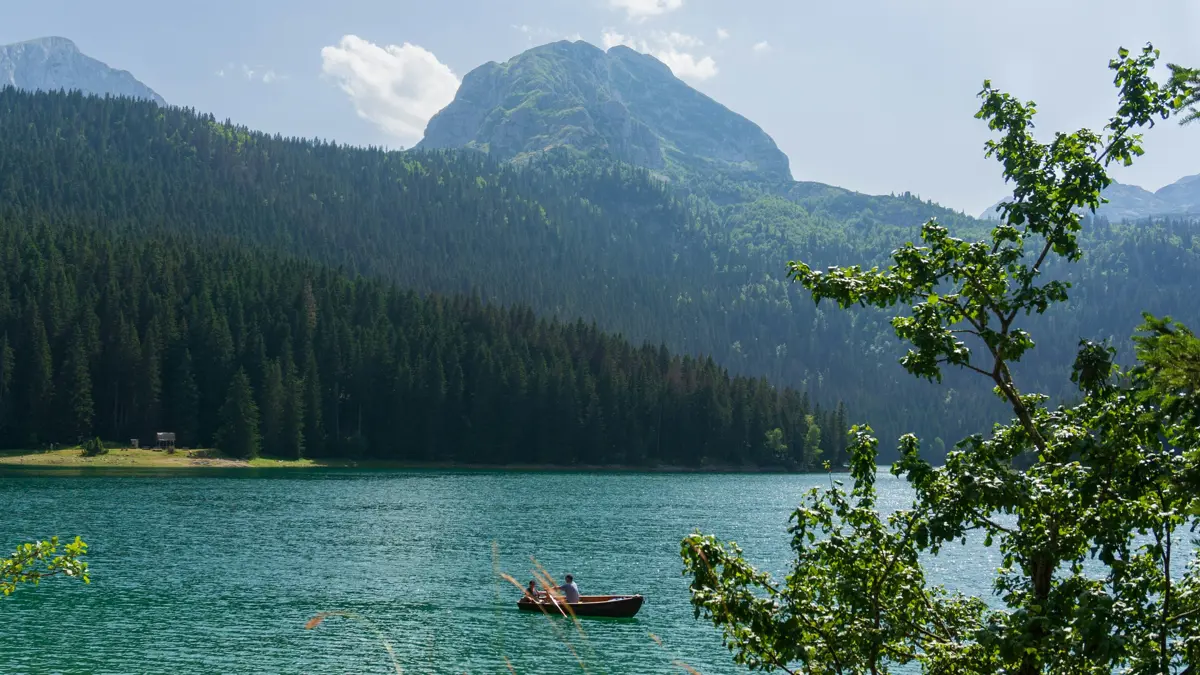
Montenegro completes our top 5 analogue destinations, with a score of 61.8/100. With 378 sites and landmarks and around 225 screen-free activities available, this country offers plenty of opportunities for travellers to disconnect and travel at a slower pace.
Although its activity numbers are lower than those of other destinations in our rankings, Montenegro spans roughly 13,812 km² - the smallest country in the list - meaning travellers can experience a wide variety of landscapes and attractions without travelling long distances.
Don’t be put off by its compact size; this is what makes Montenegro an ideal analogue holiday, even as a short break, away from rushed and busy itineraries. With five national parks and 240 day trips on offer, visitors can explore Durmitor National Park, raft through the waters in the Tara Canyon, or wander the streets of the coastal town of Kotor, all within easy reach.
Beyond the top 5: More analogue destinations to explore
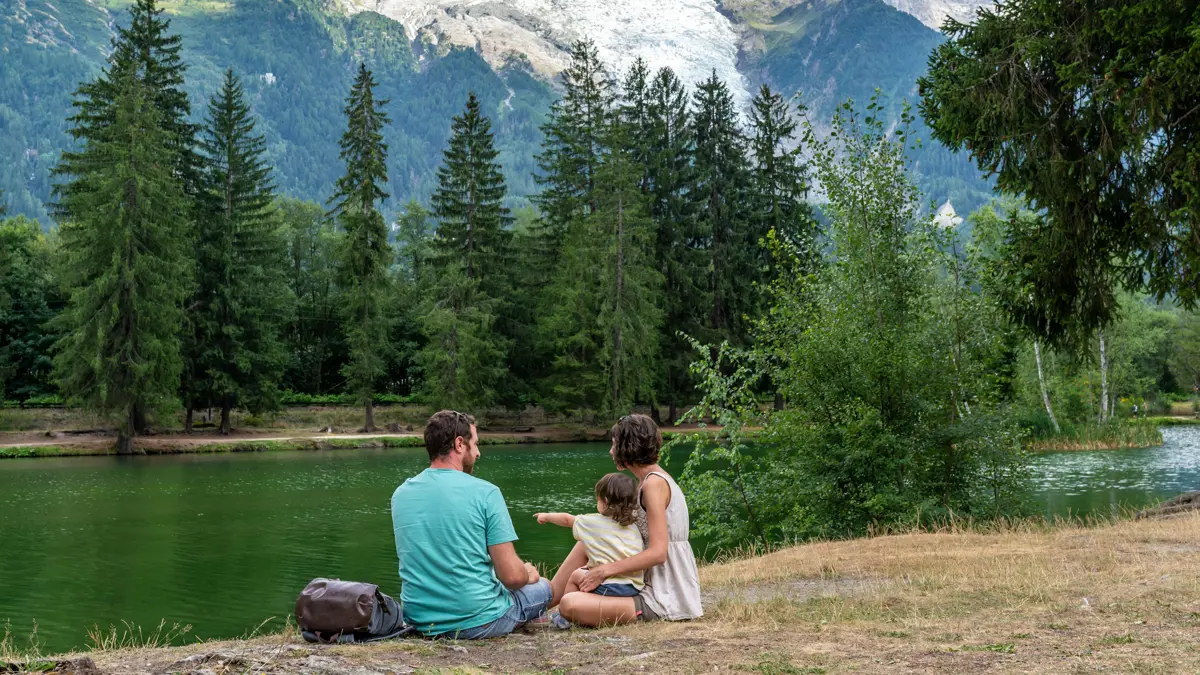
While our top five ranking locations offer the best mix of serenity and bliss for those on the search for the perfect analogue escape, the remainder of the top 15 ranking countries still provide plenty of opportunities for screen-free exploration.
Below are some honourable mentions from our ranking of Europe’s top 15 analogue escapes:
France
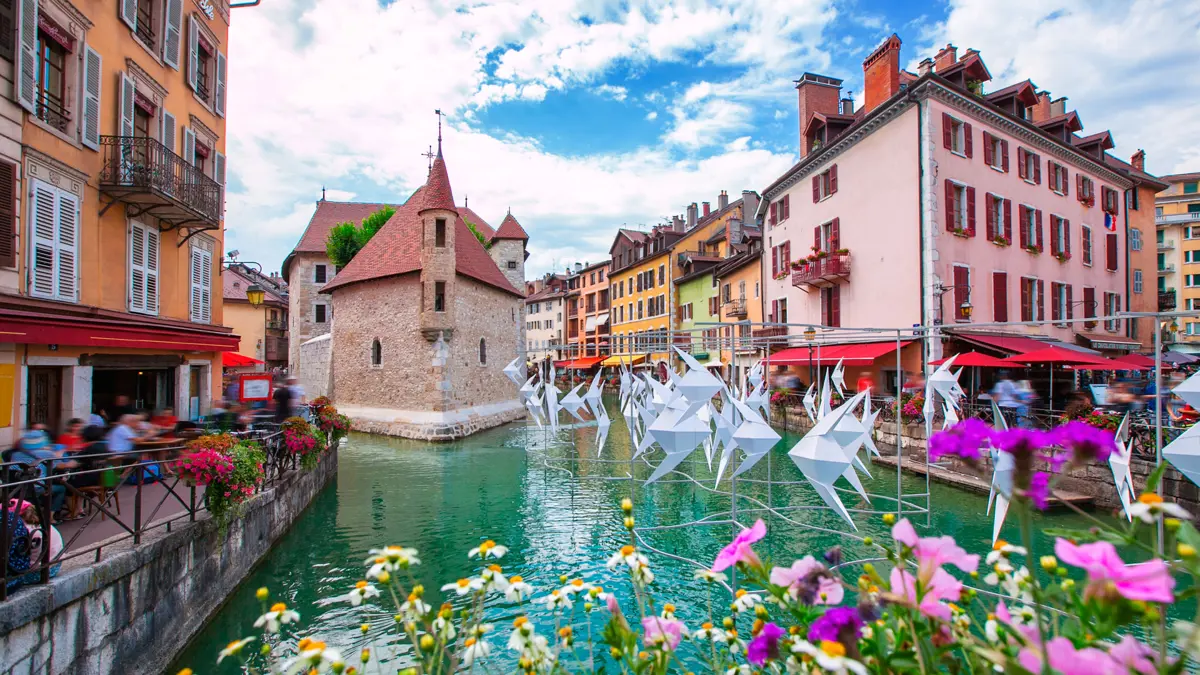
France came in 9th place, achieving a total score of 57.7/100 thanks to its expansive history and culture, including 4,493 sites and landmarks, and over 5,000 cultural tours.
It is home to Mont Blanc - the highest peak in Western Europe and one of our favourite mountains in Europe - making it an ideal destination for travellers looking to switch off in the mountains. Beyond the Alps, France’s analogue appeal extends to vineyard walks, quaint markets, and cafés, perfect for travellers looking to slow down and appreciate the local way of life.
Scotland
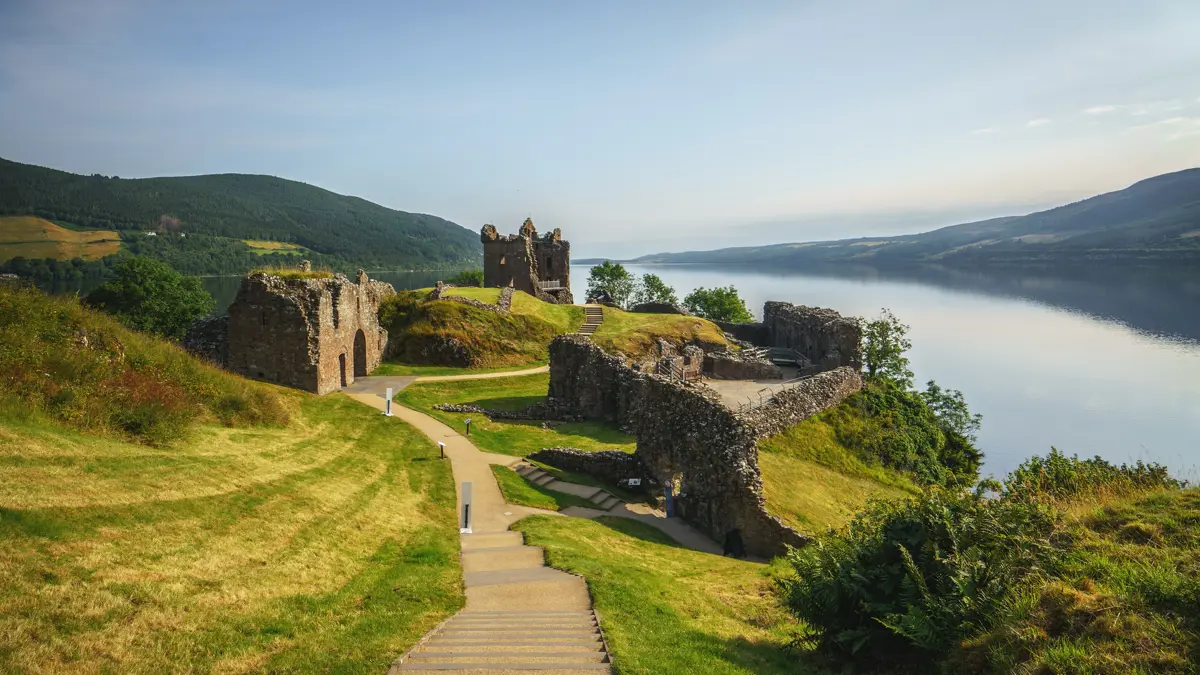
In 12th place is Scotland, with a total Analogue Score of 56.9/100. Boasting 926 sites and landmarks, including the world-famous Loch Ness, the scenic Isle of Skye, and the breathtaking Glen Coe Valley, the country’s dramatic landscapes offer travellers plenty of screen-free exploration.
Walking routes through the Cairngorms National Park and the West Highland Way provide peaceful journeys through mountains, forests, and lochs. Both routes were also featured in our previous research uncovering the world’s happiest walks.
With wildlife spotting, scenic hiking, and historic castles in abundance, Scotland is an ideal destination for travellers looking to disconnect and immerse themselves in nature.
Slovenia
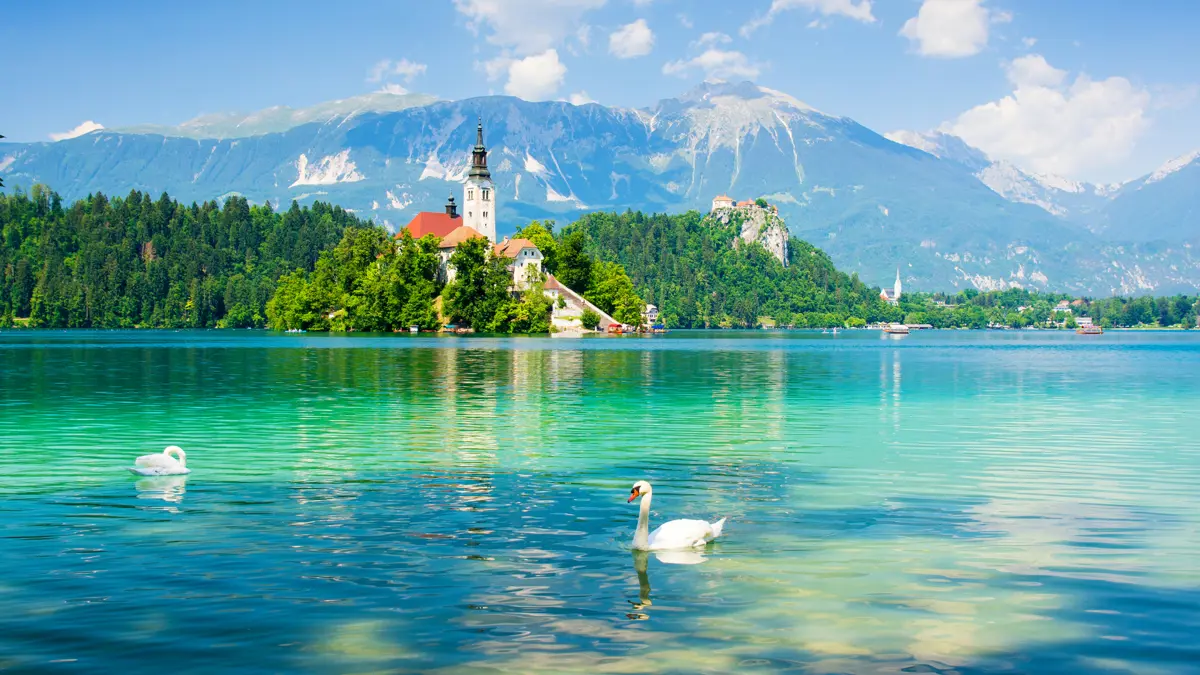
Slovenia ranked 13th with an Analogue Score of 55.5/100. Though compact in size (20,273 km²), Slovenia is rich in natural beauty and cultural experiences, offering 285 screen-free activities alongside 241 day trips and 328 cultural tours - all providing travellers with plenty of opportunities for analogue days.
Lake Bled is perhaps Slovenia’s most iconic setting, where traditional wooden boats glide across still waters towards the island church at its centre, making for the perfect setting to switch off in nature. The nearby Julian Alps also offer scenic and peaceful walking routes through alpine valleys and mountain passes.
Ready to plan your analogue escape? Discover our range of destinations where you can slow down, switch off, and experience travel the way it was meant to be.
Methodology
To understand which European countries travellers have the best chance of embracing an analogue lifestyle, we built an Analogue Index using publicly available data for the following metrics:
- Country size and population density to provide geographic and demographic context.
- Number of national parks, drawing on official lists of protected areas for each nation.
- Museums, using cultural institution registries and statistical groupings that track museum counts across Europe.
- Sites and landmarks, day trips, and cultural tour opportunities, named as screen-free activities, sourced from comprehensive travel and attractions platforms (TripAdvisor).
- Digital engagement and infrastructure, including frequency of internet use and broadband coverage at high speeds, sourced from European Union statistics and national broadband reports.
For each metric, we calculated raw country figures, then converted these into per capita rates (per 100,000 people) to ensure fair comparison between large and small countries. Countries were then ranked on each metric, with higher ranks indicating stronger analogue locations.
For cultural opportunity measures (day trips and tours), we averaged counts to create an “Analogue Activities” score, which was also normalised per capita and ranked. All ranked scores were then averaged to produce a final overall Analogue Score, where a higher score reflects a more analogue-rich environment.
For digital engagement and broadband coverage, ranking was inverted so that lower internet use and slower broadband correlated with a higher Analogue Score.
*Google searches for 'analogue travel' analysed using Google Trends data, correct as of 06.03.2026
Find more like this:
Get inspired for your next walking holiday
Insider guides
Sign up now to save £100 on your first Inghams summer holiday
Sign up now